The Role of Sclerotherapy in Improving Circulation

The Role of Sclerotherapy in Improving Circulation

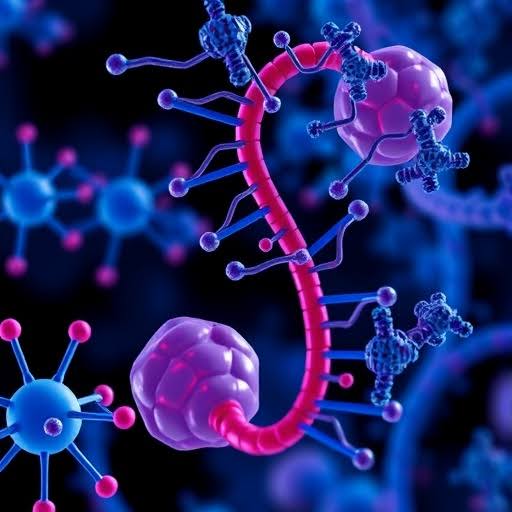
Sclerotherapy is a minimally invasive procedure for treating varicose veins and spider veins. When veins don’t function properly, blood can pool in the affected area, which causes discomfort, swelling, and visible changes beneath the skin’s surface. Sclerotherapy addresses these issues directly; understanding how it works can help determine whether it is the right treatment option…

The Science Behind Platelet Rich Plasma

The Science Behind Platelet Rich Plasma

Platelet-rich plasma (PRP) therapy is a regenerative medicine approach that uses a concentrated portion of your own blood to support the body’s natural repair processes. During the procedure, a clinician draws a small sample of blood, separates it in a centrifuge, and prepares a solution rich in platelets. The clinician then applies this solution to…

Understanding Prostate Cancer

Understanding Prostate Cancer

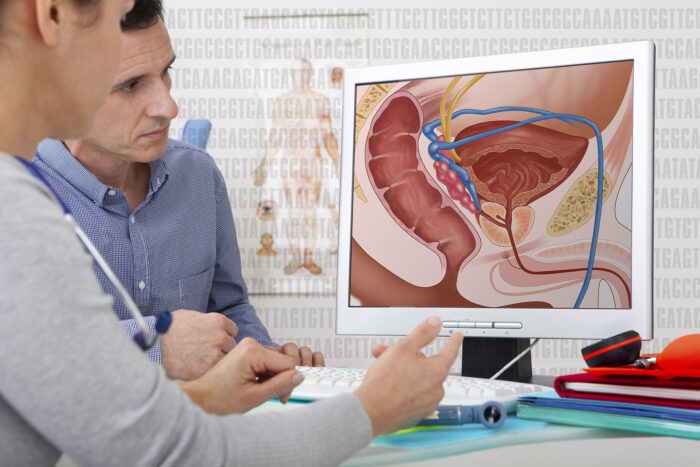
Prostate cancer starts in the prostate, a small gland that sits below the bladder in men, and this organ makes fluid that helps carry sperm. Since it grows near the urethra, changes in the prostate sometimes affect urination, and men may notice these signs over time. Learning the basics helps you talk with your doctor…

Recognizing the Signs of PTSD in Yourself and Others

Recognizing the Signs of PTSD in Yourself and Others

Post-traumatic stress disorder, or PTSD, develops after a person experiences or witnesses a frightening event. Many people experience post-trauma reactions, but fewer than 20% of those exposed to traumatic events are expected to develop PTSD. These reactions can affect thoughts, emotions, and behavior, and they may interfere with daily life as time passes. Understanding the…

Risk Factors and Early Detection of Pancreatic Cancer

Risk Factors and Early Detection of Pancreatic Cancer

Pancreatic cancer develops when cells in the pancreas grow in an uncontrolled way and form a tumor. The pancreas is an organ located behind the stomach that produces enzymes for digestion and hormones that regulate blood sugar. This type of cancer is less common than some others, and it accounts for a small percentage of…

Understanding the Stages of Colon Cancer

Understanding the Stages of Colon Cancer

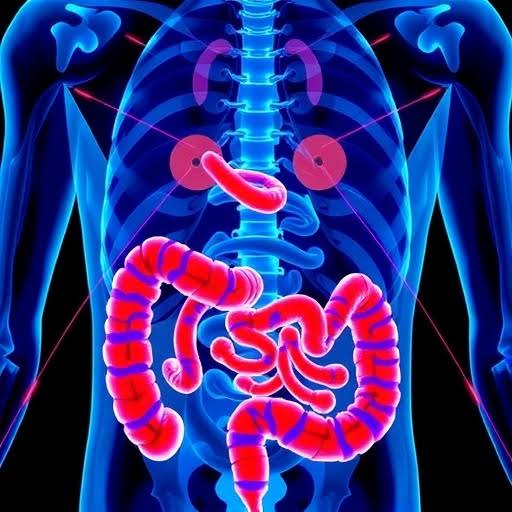
Colon cancer develops when cells in the large intestine grow abnormally and form tumors. Although these changes often begin quietly, they can spread over time if left undetected. Because this condition doesn’t appear all at once, doctors describe its progression in multiple stages. Understanding how these stages differ can help you understand what a diagnosis…

Why Early Treatment Matters After a Personal Injury

Why Early Treatment Matters After a Personal Injury

A personal injury happens in an instant, and the effects sometimes last far longer than expected. Some injuries stay quiet for hours or days, so a quick medical visit gives you a clearer picture of your condition. Getting checked early helps you understand what your body needs. This is why early treatment is needed after…

The Role of Neurologists in Managing Epilepsy

The Role of Neurologists in Managing Epilepsy

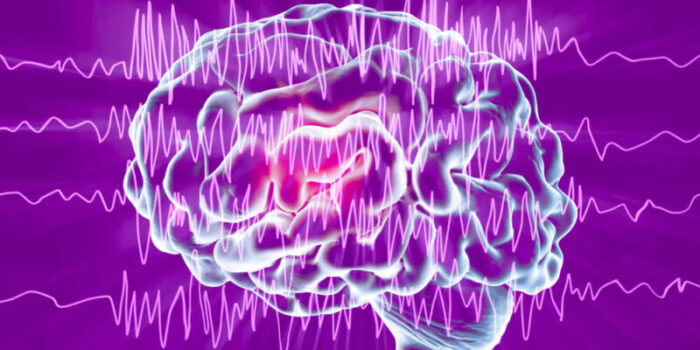
When patients develop nervous system disorders, neurologists can diagnose and treat them. They manage epilepsy through medication, lifestyle guidance, and advanced treatments such as nerve stimulation; this structured approach helps patients achieve fewer seizures and an improved quality of life. Here is more information on how neurologists manage epilepsy: What Are Neurologists? Neurologists are physicians…

What Are the Uses of IV Therapy for Energy Boosts?

What Are the Uses of IV Therapy for Energy Boosts?

IV (intravenous) therapy is a clinical option for addressing low energy. It delivers nutrients directly into the bloodstream, bypassing the digestive system, which allows for immediate, complete absorption of vitamins, minerals, and fluids at the cellular level. Oral supplementation is subject to digestive breakdown and variable absorption rates; IV therapy helps nutrients reach the bloodstream…