
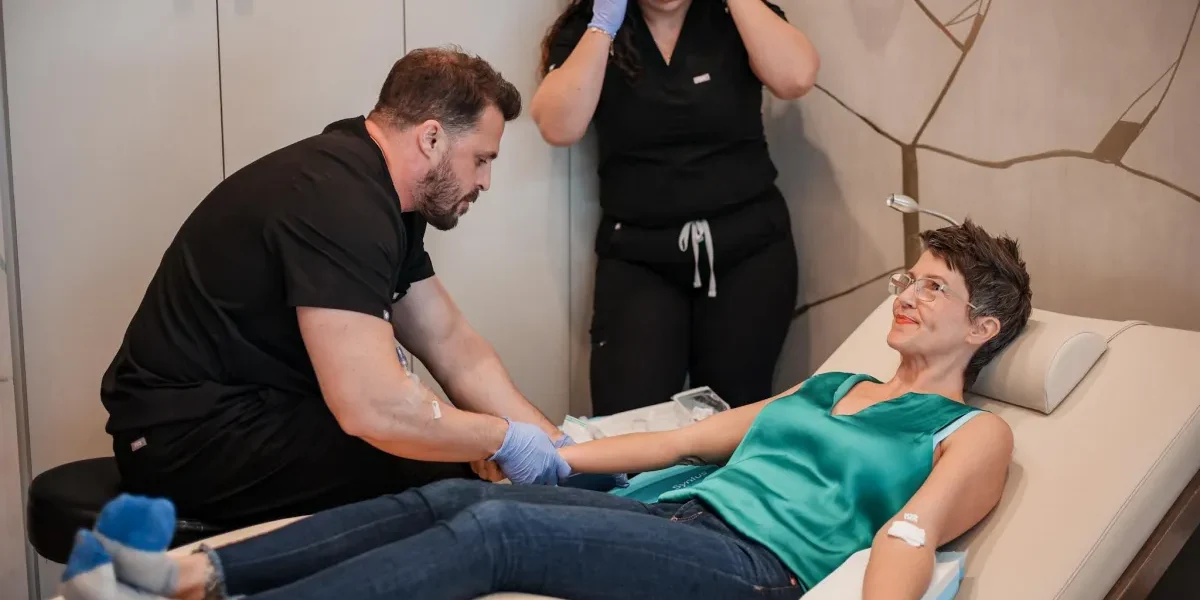
Platelet-rich plasma (PRP) therapy is a regenerative medicine approach that uses a concentrated portion of your own blood to support the body’s natural repair processes. During the procedure, a clinician draws a small sample of blood, separates it in a centrifuge, and prepares a solution rich in platelets. The clinician then applies this solution to injured areas or joints. Regenerative medicine appeals to many people because it uses materials from their own body, which may reduce concerns about rejection. As research into cellular repair continues, PRP has become one of the more widely studied approaches for supporting tissue recovery. Here’s information on the science behind platelet-rich plasma therapy:
Utilizing Your Own Healing Mechanisms
Platelets are small cell fragments found in your blood, and they help your body respond to injuries. When tissue is damaged, platelets gather at the injury site to form clots and stop bleeding. They also release proteins called growth factors, which signal nearby cells to begin repair processes.
Beyond clotting, platelets help coordinate the arrival of other cells involved in healing. They attract stem cells and support the formation of new blood vessels, which carry oxygen and nutrients to recovering tissue. This natural sequence occurs constantly throughout the body, without you noticing. PRP therapy aims to build on this existing natural process by delivering a higher concentration of platelets directly to a targeted area.
Concentrating Plasma and Growth Factors
Your blood contains components like platelets that are spread throughout its plasma, but PRP processing separates and concentrates them into a smaller volume. To create a plasma solution, a clinician places your blood sample in a centrifuge, and the machine spins it at high speed to divide the components by density. The clinician then collects the platelet-rich layer for use.
Once prepared, the clinician injects the concentrated solution into the treatment site, guided by imaging tools such as ultrasound. Regular PRP injections follow a schedule set by the treating provider, and the number of sessions can vary from person to person. Each injection introduces a dense supply of growth factors near the affected tissue.
This therapy aims to place these signaling proteins where healing is most needed. Because the material comes from you, preparation and timing are tailored to your individual case. Some chronic pain conditions that may benefit from platelet-rich plasma therapy include:
- Arthritis in the Joints
- Chronic Heel Pain
- Ligament Injuries or Sprains
- Tendonitis
Reducing Chronic Pain
Chronic pain often stems from tissues like tendons, ligaments, or joint surfaces, and these structures typically receive limited blood flow, which can slow natural repair. PRP has been studied as an option to support these areas, particularly in overuse- or degeneration-related conditions. Researchers continue to examine how PRP interacts with different tissue types and which conditions respond best. Results vary depending on the location, the severity of the condition, and the individual patient. Some studies focus on joints, while others look at soft tissue injuries.
Try PRP for Your Pain Condition
If you are living with a persistent pain condition, platelet-rich plasma may be worth discussing with a podiatrist. By concentrating platelets and their growth factors, PRP therapy directs a natural repair signal toward a specific area of concern. The process is straightforward: draw blood, separate the platelets, and apply the concentrated solution where it is needed. Everyone is different, so a professional assessment is a good place to start. Contact a podiatry practice for personalized advice on managing your daily pain.





