
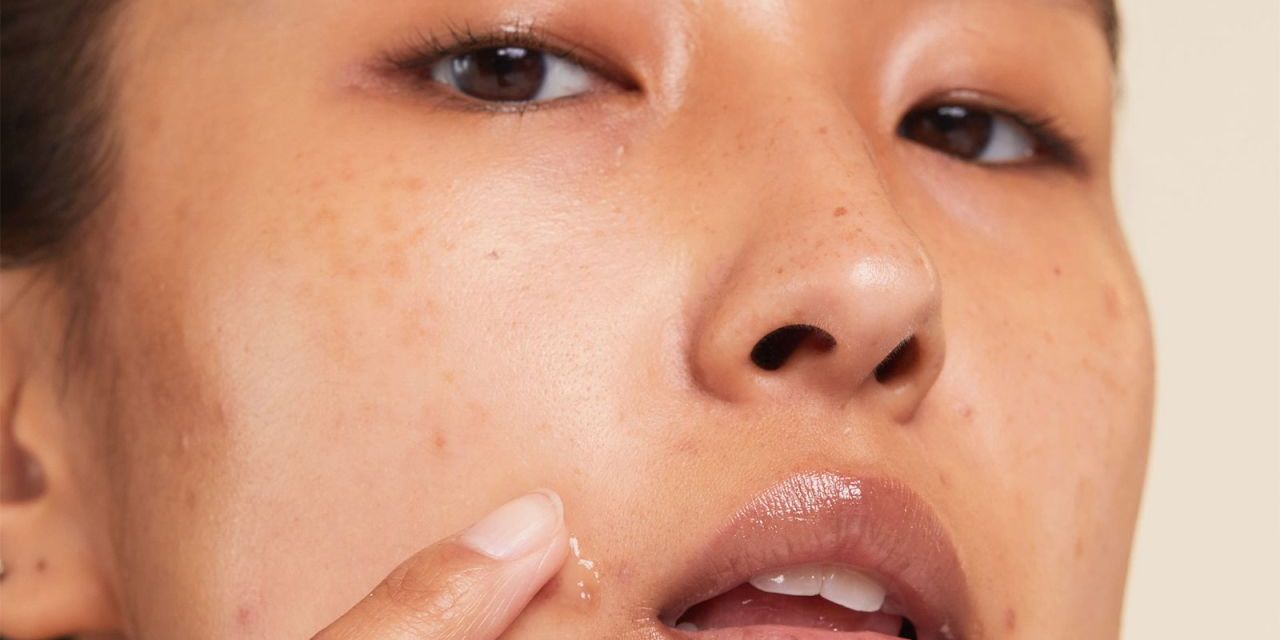
Acne is one of the most common skin problems in the world, and if you have oily skin, it can feel even more frustrating. Oily skin produces extra sebum (natural oil), which easily mixes with dirt, dead skin cells, and bacteria. This combination often leads to clogged pores, pimples, blackheads, and painful breakouts.
Finding the best acne treatment for oily skin is not about using harsh products or washing your face ten times a day. In fact, doing too much can make acne worse. The right treatment focuses on balancing oil production, keeping pores clean, and calming inflammation without damaging your skin barrier.
In this article, we’ll explain acne in oily skin, the most effective treatments, daily habits that help, and common mistakes to avoid — all in a simple, human way.
Why Oily Skin Is More Prone to Acne
Oily skin is not bad. Sebum helps protect and moisturize your skin. The problem starts when your skin produces too much oil.
Here’s what usually happens:
- Excess oil clogs pores
- Dead skin cells get trapped
- Bacteria grow inside pores
- Inflammation leads to pimples and cysts
Hormones, genetics, stress, diet, and even weather can increase oil production. That’s why oily skin often struggles with acne during teenage years, periods, or stressful times.
Best Acne Treatment for Oily Skin: What Really Works
1. Gentle Cleansing (Twice a Day Only)
Cleansing is the foundation of acne treatment. Use a gentle, oil-free, foaming cleanser that removes excess oil without stripping your skin.
Look for cleansers with:
- Salicylic acid (cleans pores)
- Tea tree oil (natural antibacterial)
- Niacinamide (controls oil)
Avoid harsh soaps and scrubs. Over-washing makes your skin produce even more oil.
2. Salicylic Acid: A Must for Oily Skin
Salicylic acid is one of the best ingredients for acne treatment for oily skin. It is oil-soluble, which means it can go deep into pores and clean them from the inside.
Benefits:
- Unclogs pores
- Reduces blackheads and whiteheads
- Controls excess oil
Use it in cleansers, toners, or spot treatments — but don’t overuse it, or your skin may become dry and irritated.
3. Benzoyl Peroxide for Active Breakouts
If you struggle with red, inflamed pimples, benzoyl peroxide is very effective. It kills acne-causing bacteria and reduces swelling.
Tips:
- Start with a low strength (2.5%)
- Use it only on affected areas
- Always moisturize afterward
This ingredient works best when used consistently, not aggressively.
4. Lightweight, Oil-Free Moisturizer (Yes, You Need One)
Many people with oily skin skip moisturizer, thinking it will make acne worse. That’s a big mistake.
When your skin is dry, it produces more oil to compensate.
Choose a moisturizer that is:
- Oil-free
- Gel-based or water-based
- Non-comedogenic (won’t clog pores)
Ingredients like hyaluronic acid and niacinamide are perfect for oily, acne-prone skin.
5. Retinoids: Long-Term Acne Control
Retinoids (like adapalene or retinol) are powerful acne treatments that help:
- Prevent clogged pores
- Reduce acne scars
- Improve skin texture
They work slowly but effectively. Start using them 2–3 times a week at night, and always apply sunscreen during the day.
Natural Acne Treatment Options for Oily Skin
If you prefer natural or gentle solutions, these can help support your routine:
- Tea tree oil (diluted): fights bacteria
- Aloe vera: soothes inflammation
- Green tea: reduces oil and redness
- Clay masks: absorb excess oil (1–2 times weekly)
Natural treatments work best alongside proper skincare, not as the only solution.
Daily Habits That Improve Acne
The best acne treatment for oily skin also depends on your lifestyle.
Helpful habits:
- Wash pillowcases weekly
- Avoid touching your face
- Clean makeup brushes regularly
- Drink enough water
- Eat less sugary and greasy food
Stress management and proper sleep also play a huge role in acne control.
Common Mistakes to Avoid
Many people unknowingly make acne worse. Avoid these mistakes:
- Over-washing your face
- Using alcohol-based products
- Picking or squeezing pimples
- Skipping sunscreen
- Using too many products at once
Simple routines are often more effective than complicated ones.
When to See a Dermatologist
If acne is:
- Painful
- Leaving scars
- Not improving after 8–12 weeks
Then it’s time to see a dermatologist. Prescription treatments like oral medications or professional procedures may be needed.
Final Thoughts
The best acne treatment for oily skin is not a single miracle product. It’s a combination of gentle cleansing, targeted ingredients, proper moisturizing, and healthy habits. Be patient with your skin. Acne takes time to improve, but with the right approach, clear and healthy skin is possible.
Consistency matters more than perfection. Treat your skin kindly, and it will slowly respond.
Frequently Asked Questions (FAQs)
1. What is the best acne treatment for oily skin?
The best treatment includes salicylic acid, oil-free moisturizers, gentle cleansers, and consistent skincare habits.
2. Can oily skin acne be cured permanently?
Acne can be controlled long-term, but hormonal or genetic factors may cause occasional breakouts.
3. Should oily skin use moisturizer?
Yes. Skipping moisturizer can increase oil production and worsen acne.
4. How long does acne treatment take to work?
Most treatments show results in 6–12 weeks with regular use.
5. Is sunscreen necessary for acne-prone oily skin?
Absolutely. Use a lightweight, non-comedogenic sunscreen to protect skin and prevent dark spots.





