An ophthalmologist is a medical doctor who specializes in diagnosing and treating eye conditions, managing vision problems, and performing eye surgery. Their role includes routine eye examinations and ongoing monitoring to protect a patient’s vision. Here is an overview of the role of an ophthalmologist in eye care and surgery:
Diagnosing Eye Conditions
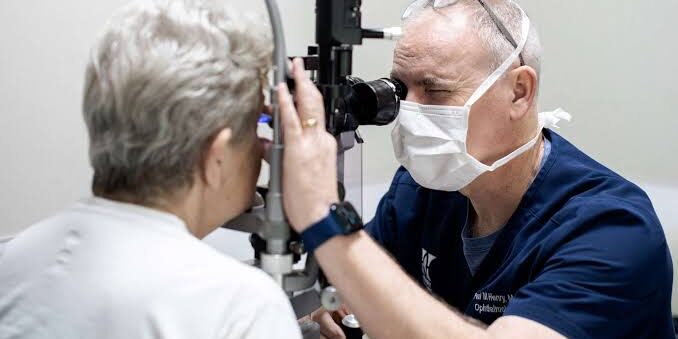
Diagnosis is the first step, and an ophthalmologist uses several tools to study how your eyes function. The specialist checks how clearly you see, and they also examine the internal and external structures of each eye. When symptoms appear, this careful review helps identify the source of the problem so a treatment plan can follow.
A thorough exam often includes tests that measure pressure inside the eye. The doctor reviews your health history, and they connect that background to what the examination reveals. This methodical approach gives you a clear picture of your eye health to support informed decisions about next steps.
Managing Ongoing Eye Diseases
Some eye conditions develop slowly, and they require ongoing attention. An ophthalmologist monitors these changes and adjusts care as your needs evolve. Regular visits are a key component of this process, though the exact schedule depends on your situation.
Tracking Chronic Conditions
Chronic conditions such as glaucoma or age-related changes require consistent monitoring, and this specialist records how your eyes respond over time. The doctor compares results from each visit and notes any changes that need a closer look. This ongoing record helps guide decisions, which keeps your care aligned with your current health.
Adjusting Treatment Plans
An ophthalmologist updates your treatment plan as conditions evolve. The specialist may change medications and recommend new tests when signs point to a shift. These adjustments keep your care practical and support ongoing management of long-term concerns.
Performing Eye Surgery
When other approaches no longer provide relief or manage the condition, an ophthalmologist may recommend surgery. This specialist is trained to perform many eye procedures. Surgery can address issues that affect the lens, the retina, or other parts of the eye. Before any operation, the specialist explains what the procedure involves, and they review what to expect during the process. Preparation plays a key role; the doctor studies your eye health before scheduling any procedure. The specialist walks you through each stage and answers questions so you are informed.
Supporting Recovery and Prevention
Care does not end when a visit or procedure finishes; an ophthalmologist stays involved through recovery. The specialist offers guidance for healing and shares habits that support long-term eye health. The following steps can help you protect your vision:
- Follow-up appointments: The doctor schedules return visits to check healing and detect concerns early.
- Medication guidance: The specialist explains how and when to use prescribed drops or tablets to support a smooth recovery.
- Protective habits: The doctor may suggest ways to shield your eyes from strain and bright light.
- Lifestyle adjustments: The specialist can point out daily choices that affect eye health.
- Routine screenings: Regular exams help detect changes early before they worsen.
Visit an Ophthalmologist Today
Maintaining eye health requires consistent care, including protecting your eyes from strain, addressing dryness effectively, and scheduling routine screenings to detect changes early. These proactive steps provide a solid foundation for long-term visual well-being. You can support practical and ongoing care for your vision by tailoring these practices to your specific needs with the guidance of an ophthalmologist. Contact a qualified ophthalmologist in your area to schedule your appointment today.