Cardiology focuses on the heart and its blood vessels, and specialists in this field treat conditions like arrhythmias. They rely on tools that measure how your heart beats. Since an irregular rhythm affects your whole body, a cardiologist starts with a careful review of your symptoms and history. This is how a cardiologist diagnoses and treats arrhythmias:
Routine Tests
Your first visit to a cardiology clinic typically begins with simple measurements. A nurse checks your blood pressure, and the reading shows how hard your heart works to move blood. Together, these numbers paint an initial picture of your overall heart health, giving your cardiologist the foundation they need to guide your care.
Temperature matters too, since a fever sometimes changes how fast your heart beats. The staff records your temperature, and they note anything unusual. A high reading may point to an infection that affects your rhythm.
Heart rate is the third routine measure. The team counts your beats per minute, and this takes place while you rest. Since a fast or slow pulse hints at an arrhythmia, this reading guides the next steps in your care.
Advanced Diagnostics
When routine tests raise questions, your cardiologist orders deeper studies. An echocardiogram uses sound waves to show the heart’s structure, and it reveals problems with valves or muscle. These images help the specialist see what a stethoscope cannot.
Some rhythms come and go, so a single office visit misses them. A Holter monitor records your heartbeat over a day or more. Since you wear it during normal activity, it captures episodes that appear only at certain times.
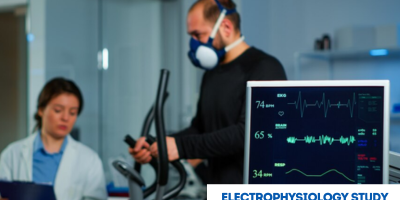
Each test gives specific data, and the results shape your diagnosis. A treadmill test shows how exertion affects your beat, while an EP study locates the exact source of a faulty signal. Other tests push your heart to work harder. Cardiologists use several tools for this purpose:
- Treadmill tests track your rhythm while you walk or run
- EP studies map the electrical signals inside your heart
Antiarrhythmic Medications
In many cases, medication is the first treatment after a diagnosis. These drugs slow a racing heart, and they steady an irregular rhythm. Your cardiologist picks a medicine based on your specific arrhythmia.
Different classes of drugs work in different ways. Some block electrical signals, while others relax the heart muscle. As each person responds differently, your doctor may adjust the dose over several weeks. Regular follow-up visits let the team track how your body handles the treatment.
Implantable Devices and Catheters
When medication falls short, specialists turn to devices and procedures. A pacemaker sends small electrical pulses to keep your heart on pace, and it works around the clock. This device suits people whose hearts beat too slowly. Doctors use a few standard options for harder cases:
- Pacemakers steady a slow rhythm
- Defibrillators correct dangerous fast rhythms
- Catheter ablation destroys tissue that causes bad signals
Catheter ablation is a targeted procedure. A thin tube travels through a blood vessel to the heart, and the tip delivers energy to faulty tissue. Since it reaches the source directly, this method treats certain arrhythmias that resist drugs. Your cardiologist explains which choice fits your situation.
Visit a Cardiology Clinic Today
An irregular heartbeat needs prompt attention from a trained specialist, and you may notice fluttering, dizziness, or shortness of breath. A cardiologist reviews your symptoms and builds a plan around your needs. Call a cardiology clinic near you to schedule an evaluation. Bring a list of your symptoms, and share any family history of heart trouble.