Effective cancer treatment often requires a coordinated approach involving multiple medical specialists. Oncologists and general surgeons work together to develop treatment plans and determine when surgical intervention is appropriate. Here is a closer look at the collaboration between oncologists and general surgeons:
Coordinating Diagnosis and Staging
Accurate diagnosis and staging guide every decision that follows. Oncologists and general surgeons combine their findings to build a comprehensive picture, and they compare notes before recommending next steps. This shared review helps confirm the condition type and how far it has spread.
Reviewing Test Results
Test results are the foundation of your care plan, and both specialists examine them closely. Oncologists study imaging scans, biopsies, and lab work, while general surgeons assess whether the affected area can be removed safely. They meet to discuss these findings, and this joint review reduces the chance of a missed detail.
Confirming the Stage
Staging describes a tumor’s size and whether it has spread to other tissues. General surgeons sometimes gather tissue samples during a procedure, and oncologists interpret what those samples reveal. This combined effort produces a more precise stage that informs the treatment approach.
Developing Personalized Treatment Plans
Oncologists and general surgeons build a plan around your specific condition. They review factors such as your overall health, the tumor’s location, and how the tissue is likely to respond. The oncologist may suggest medication-based therapies, while the surgeon outlines what an operation would involve. They decide the order of steps together, and this shared plan gives you a clear way forward.
Integrating Surgery and Treatments
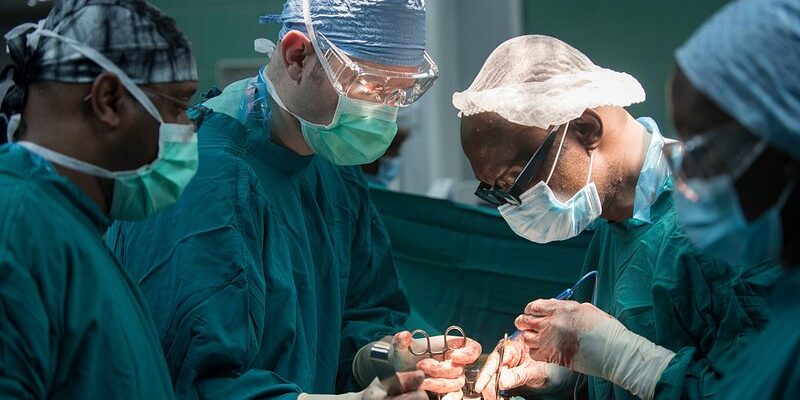
Surgery rarely stands alone in cancer care; timing between procedures and other therapies matters a great deal. Oncologists and general surgeons coordinate so that treatments such as chemotherapy or radiation fit around an operation. In some cases, therapy shrinks a tumor before surgery, while in others, treatment follows the procedure to address remaining cells. This careful sequencing keeps your plan cohesive, and it helps each part of your care support the next.
Managing Recovery and Follow-Up
Recovery continues long after a procedure ends, and both specialists stay involved. General surgeons monitor how the surgical site heals, while oncologists track your response to ongoing therapy. Clear communication between them keeps your follow-up organized and prevents gaps in care. Here is what shared care often includes:
- Wound and healing checks: General surgeons review the surgical site during follow-up visits, and they watch for signs that healing is progressing as expected.
- Ongoing therapy monitoring: Oncologists assess how your body responds to ongoing treatment and adjust the approach as needed.
- Scheduled imaging and tests: The team arranges scans and lab work at set intervals to help detect changes early.
- Symptom management guidance: Both specialists offer practical advice on managing side effects, and they explain what to report between appointments.
Consult Experienced Oncologists Today
Collaboration between oncologists and general surgeons supports coordinated diagnosis, tailored treatment plans, well-timed surgery, and organized follow-up into one connected process. This teamwork addresses the tumor and surrounding tissue, keeping care consistent from the first test through long-term monitoring. For general or cancer-related surgical care, contact a modern surgical practice near you to schedule your consultation with experienced oncologists today.