Microneedling is a minimally invasive cosmetic procedure, and it helps patients seeking skin rejuvenation without surgery. Fine needles create controlled micro-injuries in the skin. Because these micro-injuries stimulate the body’s natural healing response, they promote collagen and elastin production, proteins that maintain skin structure and firmness. Here is more information on what microneedling is, how it works, what the process involves, and who benefits from it:
What Is Microneedling?
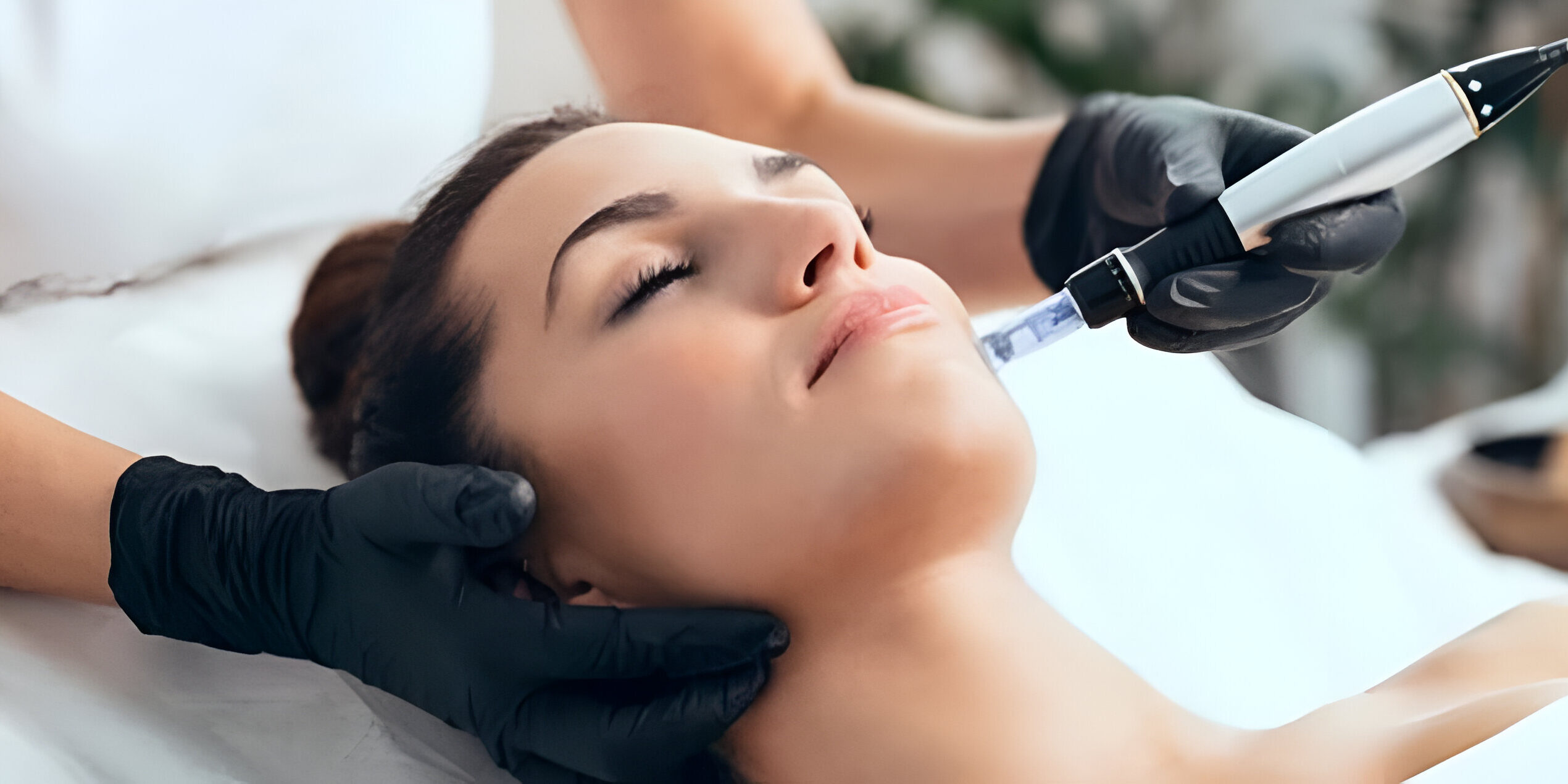
Microneedling is a minimally invasive cosmetic procedure. It uses fine needles to create controlled micro-injuries in the skin, which triggers the body’s natural wound-healing response and prompts the production of collagen and elastin. Dermatologists typically perform the treatment, and they use a handheld device fitted with a needle tip.
How Does It Work?
During a microneedling session, a provider first cleanses the skin and may apply a topical numbing agent to reduce discomfort. The provider then passes the device over the treatment area, which creates hundreds of microscopic channels in the skin’s surface. Providers may also apply platelet-rich plasma (PRP) during the process; this enhances absorption depending on the concern being addressed.
The micro-injuries activate fibroblasts. These cells produce collagen, and the healing cascade may continue for several weeks after the appointment. This process rebuilds the skin gradually. Most sessions last about 30 minutes. Patients may require a series of treatments spaced weeks apart, which helps enhance outcomes.
What Are the Expected Results?
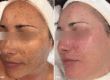
Results from microneedling develop gradually as the skin rebuilds collagen and elastin over time; patients may notice improvements in skin texture, fine lines, acne scarring, and enlarged pores within a few weeks of treatment. Full results typically appear after multiple sessions. When skin conditions and treatment goals differ, individual timelines may vary.
Mild redness and swelling are expected side effects, and they typically resolve within a few days. These effects may resemble a sunburn. Because sun exposure can interfere with recovery, patients should avoid it and follow their provider’s aftercare instructions to support healing. Consistent treatment schedules, rather than occasional sessions, tend to produce more noticeable, longer-lasting results.
Who Should Get Microneedling Done?
Microneedling suits patients dealing with a range of skin concerns, including:
- Acne scars, surgical scars, or stretch marks
- Fine lines, wrinkles, and early signs of aging
- Enlarged pores or uneven skin texture
- Hyperpigmentation or sun damage
Candidates should have generally healthy skin at the time of treatment. During a consultation, a dermatologist will review the patient’s skin history and current medications to determine treatment suitability, supporting a safe and effective process.
Consult a Dermatologist Today
Microneedling offers a versatile solution for patients looking to improve skin texture, reduce scarring, and address early signs of aging. The procedure stimulates the skin’s natural healing process, producing gradual, cumulative results over a series of sessions. While many patients qualify, individual skin conditions and health factors affect safety and expected outcomes. Anyone evaluating this treatment should schedule a consultation with a dermatologist; a professional evaluation can confirm candidacy, outline a personalized treatment plan, and answer questions about the recovery process.