Ingrown toenails are a common but painful foot problem that can affect people of all ages. If you have ever felt sharp pain, redness, or swelling around your toenail, you know how uncomfortable it can be. Walking, wearing shoes, or even touching the toe may become painful. The good news is that there are many ingrown toenail pain relief methods that can help reduce discomfort and support healing.
In this article, we will explain what causes ingrown toenails, how to recognize the symptoms, and the best pain relief methods you can try at home or with professional help. Everything is written in simple language to make it easy to understand.
What Is an Ingrown Toenail?
An ingrown toenail happens when the edge of the toenail grows into the surrounding skin instead of growing straight out. This usually affects the big toe but can occur on any toe. When the nail presses into the skin, it can cause pain, swelling, redness, and sometimes infection.
Ingrown toenails may start as a small discomfort, but if ignored, they can become more painful and harder to treat.
Common Causes of Ingrown Toenails
Understanding the cause helps prevent future problems. Some common causes include:
- Cutting toenails too short or rounding the edges
- Wearing tight or narrow shoes
- Injury to the toe
- Poor foot hygiene
- Natural nail shape or genetics
- Repeated pressure from sports or physical activity
When these factors push the nail into the skin, pain and inflammation follow.
Symptoms You Should Not Ignore
Early symptoms are mild but can worsen over time. Look out for:
- Pain along one or both sides of the toenail
- Redness and swelling
- Tenderness when touching the toe
- Warmth around the nail
- Pus or fluid (a sign of infection)
If pain increases or infection develops, proper ingrown toenail pain relief methods become very important.
Best Ingrown Toenail Pain Relief Methods
Below are effective ways to reduce pain and support healing. Some are home remedies, while others involve medical care.
1. Warm Salt Water Soaks
One of the simplest and most effective pain relief methods is soaking your foot.
How it helps:
- Reduces swelling
- Softens the skin and nail
- Relieves pain
How to do it:
- Fill a basin with warm water
- Add a tablespoon of salt
- Soak your foot for 15–20 minutes
- Repeat 2–3 times daily
This method works best in the early stages.
2. Proper Toenail Trimming
Correct nail cutting can reduce pain and prevent worsening.
Tips for trimming:
- Cut nails straight across
- Avoid rounding the edges
- Do not cut nails too short
If trimming is painful, stop and use another pain relief method instead.
3. Use Cotton or Dental Floss (With Care)
Placing a small piece of clean cotton or dental floss under the nail edge can help lift the nail away from the skin.
Benefits:
- Reduces pressure
- Helps nail grow correctly
Make sure your hands and tools are clean to avoid infection.
4. Wear Comfortable Footwear
Tight shoes increase pressure on the toe and worsen pain.
Choose shoes that:
- Have a wide toe box
- Are breathable
- Do not press on the toenail
Open-toe sandals can also help during healing.
5. Over-the-Counter Pain Relief
Pain-relieving creams or oral pain medications can help manage discomfort.
Options include:
- Pain relief creams
- Anti-inflammatory medicines
Always follow dosage instructions and avoid overuse.
6. Keep the Area Clean and Dry
Cleanliness plays a big role in pain relief and healing.
Daily care tips:
- Wash feet with mild soap
- Dry thoroughly
- Change socks regularly
This prevents infection and reduces irritation.
7. Apply Antibiotic Ointment (If Needed)
If there is redness or minor infection, antibiotic ointments can help.
How it helps:
- Prevents infection
- Reduces inflammation
Cover the toe with a light bandage after applying.
8. Elevate the Foot
Raising your foot can reduce swelling and pain, especially after walking.
Try resting with your foot elevated for 15–30 minutes daily.
9. Avoid Picking or Digging the Nail
Digging into the nail can cause more damage and pain.
Even if it feels tempting, avoid using sharp objects to remove the nail yourself.
10. Professional Medical Treatment
If home remedies do not work, medical care may be needed.
Doctors may:
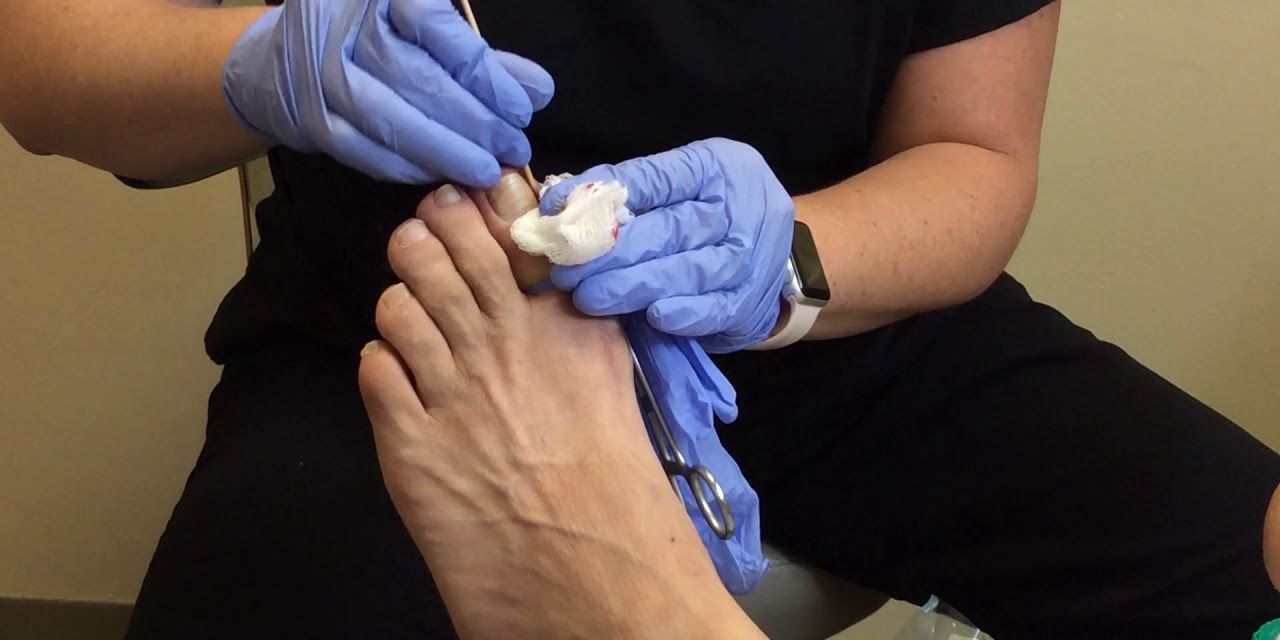
- Remove part of the nail
- Drain infection
- Prescribe antibiotics
This is often the fastest way to get lasting pain relief.
Preventing Future Ingrown Toenails
Prevention is just as important as treatment.
Helpful prevention tips:
- Trim nails properly
- Wear well-fitting shoes
- Keep feet clean
- Avoid foot injuries
Small changes in foot care can make a big difference.
When to See a Doctor
You should seek medical help if:
- Pain worsens
- There is pus or bleeding
- You have diabetes
- Home treatments do not work
Early treatment prevents serious complications.
Final Thoughts
Ingrown toenails may seem like a small problem, but the pain can affect daily life. Thankfully, there are many ingrown toenail pain relief methods that are simple, affordable, and effective. From warm soaks and proper trimming to wearing the right shoes and seeking medical help when needed, relief is possible.
Taking care of your feet is essential. With the right approach, you can ease pain, heal faster, and prevent future problems.
Frequently Asked Questions (FAQs)
1. How long does an ingrown toenail take to heal?
Mild cases may heal within a few days to a week. Severe cases may take several weeks, especially if infection is present.
2. Can I treat an ingrown toenail at home?
Yes, early-stage ingrown toenails can often be treated at home using soaking, proper nail care, and footwear changes.
3. Is an ingrown toenail dangerous?
If left untreated, it can lead to infection. People with diabetes should be especially careful.
4. Should I cut the ingrown part of the nail?
No, cutting the nail yourself can worsen the problem and cause infection.
5. How can I prevent ingrown toenails from coming back?
Trim nails straight, wear comfortable shoes, and maintain good foot hygiene.