
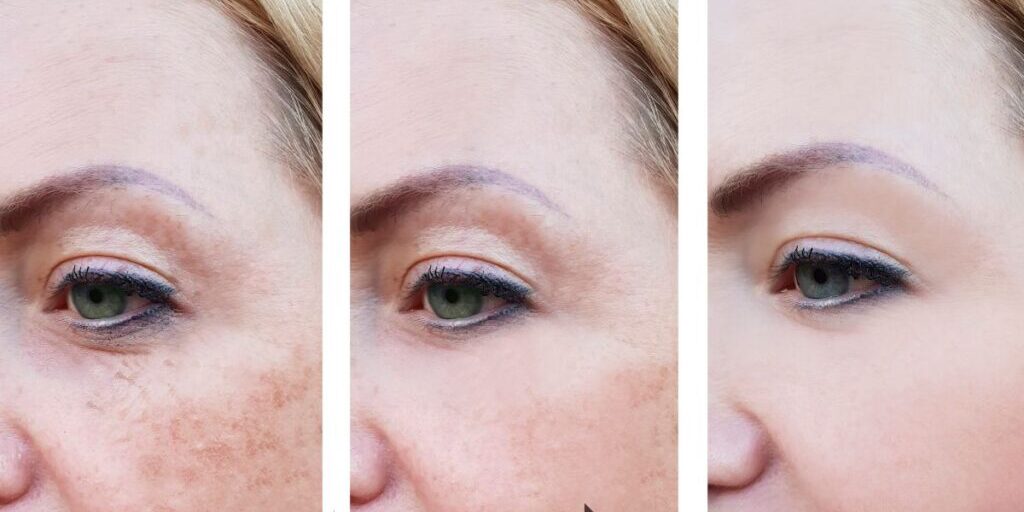
As we age, changes in our skin are natural, with fine lines forming around the eyes or mouth and deeper wrinkles appearing on the forehead. These developments often lead people to explore options for a refreshed appearance. Botox has become a popular choice, offering a way to temporarily relax facial muscles and soften the look of wrinkles. Understanding how Botox works, the types of wrinkles it targets, and how long its effects typically last may help you decide whether Botox is right for you.
How Does Botox Smooth Lines?
Botox works by interacting with the body’s nervous system. It specifically targets the communication between nerves and muscles. When a provider injects the substance, it blocks the chemical signals that tell muscles to contract; without these signals, the muscle stays in a relaxed state.
This relaxation prevents the skin above the muscle from folding or creasing. Over time, constant movement like frowning or squinting etches lines into the face. By pausing this movement, the skin has a chance to smooth out and appear flatter and less textured.
The process does not happen instantly. Most people see changes within a few days to a week after treatment, but the full effect usually becomes visible after about two weeks. The skin looks calmer because the underlying muscle activity has stopped.
Which Wrinkles Respond Best?
Not all facial lines are the same. Dermatologists categorize wrinkles into two main types: dynamic and static. Botox primarily targets dynamic wrinkles, which form from repetitive muscle movements.
Here are the specific areas that typically see the most improvement:
- Forehead Lines: These horizontal creases appear when you raise your eyebrows. Because the frontalis muscle causes them, relaxing this large muscle softens the entire forehead area.
- Crow’s Feet: These fine lines branch out from the corners of the eyes. They appear when you smile or squint. Treatment in this area relaxes the orbicularis oculi muscle to smooth the skin.
- Frown Lines: Also known as “elevens,” these vertical lines form between the eyebrows. They result from furrowing the brow. Relaxing the muscles here can make the face look more rested.
Static wrinkles are different because they remain visible even when your face is at rest. These lines result from a loss of collagen and elasticity rather than muscle movement alone. While Botox may help soften their appearance slightly, it generally works better on lines caused by active expressions.
How Long Do Effects Last?
The smoothing effects of Botox are temporary as the body naturally metabolizes the substance over time. Once this process occurs, nerve signals start reaching the muscles again, gradually restoring muscle activity. As a result, lines and wrinkles will reappear if treatment is discontinued. Most patients enjoy results for three to four months, though effects can sometimes last up to six months, depending on factors like metabolism and muscle strength.
Regular treatments can help train your muscles to relax, potentially allowing you to go longer between appointments over time. Consistency is key to maintaining the smooth, youthful appearance you’re looking for. By sticking to a treatment plan, you can make the most of Botox’s benefits and enjoy long-lasting results.
Consult a Specialist
Deciding to undergo a cosmetic treatment is a significant step that deserves careful thought and professional guidance. A qualified specialist can evaluate your unique facial structure and discuss your aesthetic goals to make sure this option is right for you. During a consultation, you have the opportunity to ask questions, address any concerns, and gain a clear understanding of the potential outcomes. Reach out to a licensed professional today to create a personalized plan tailored to your needs.





