
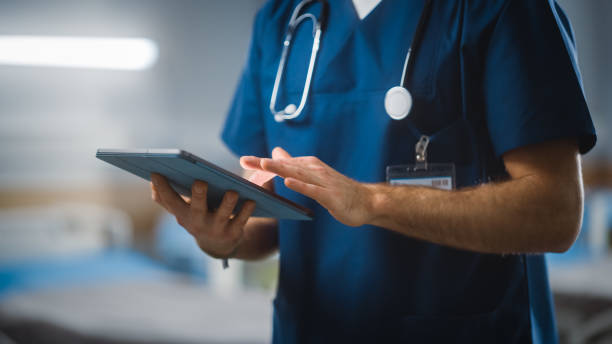
This year, forensic nursing sits at the junction of clinical care and the justice system, combining trauma-informed practice with meticulous legal documentation and courtroom-ready reporting. As a nurse or healthcare professional considering this path, you are entering a field where medical accuracy can influence investigative outcomes and patient advocacy can carry legal weight. The broader nursing workforce is growing steadily, as employment for registered nurses in the United States is projected to increase about 6% through the early 2030s, reflecting ongoing demand for nursing roles that include specialized functions like forensic care.
This rise in demand is paralleled by heightened societal awareness of interpersonal violence, elder abuse and complex injury patterns, creating pressure for accessible, high-quality training. Online education has become a realistic entry point into this specialty, reflecting broader acceptance of remote learning across healthcare disciplines. Digital programs now deliver structured instruction in evidence preservation, injury interpretation and medico-legal ethics, allowing you to build foundational knowledge without leaving your current role or community. These pathways increasingly complement clinical experience, offering a flexible bridge between traditional nursing practice and the unique competencies required in forensic settings.
The expansion of digital forensic nursing curricula
Digital curricula in forensic nursing program options now mirror the structure and rigor of classroom programs, covering evidence collection, chain-of-custody standards, injury photography and trauma-responsive interviewing. When you study online, coursework is typically organized into modular units that let you progress methodically through clinical, legal and ethical frameworks. Here, video lectures, interactive case reviews and scenario-based assessments are designed to strengthen analytical judgment, a skill central to forensic decision-making.
Learning at your own pace also allows time for reflection on sensitive subject matter, an important element when dealing with violence, neglect or sudden death. For many professionals, this flexibility removes long-standing barriers linked to geography, shift work or family responsibilities. These formats also support reflective learning and continuous professional self-assessment over time, and increasingly, content is aligned with nationally recognized forensic practice guidelines, reinforcing consistency between online instruction and real-world standards.
Connecting theory with practice in virtual environments
A common concern involves how remote study translates into hands-on competence, with modern online forensic nursing programs increasingly integrating virtual simulations, guided documentation exercises and supervised clinical placements to connect theory with practice. You may work through digital reconstructions of assault examinations, injury-mapping scenarios and courtroom-style report writing that mirror professional standards. These activities develop precision in observation and language, both essential when clinical findings may later be scrutinized in legal settings.
Here, feedback from instructors and clinical mentors helps refine technique, reinforcing correct evidence handling and ethical decision-making. Although in-person experience remains irreplaceable, structured virtual preparation can reduce the learning curve when you enter real forensic settings. Such repetition builds confidence before you encounter comparable situations in settings, while exposure to standardized case scenarios also helps normalize best practices across different healthcare and investigative contexts.
Employer recognition and professional credibility
Employer attitudes toward online forensic nursing education have developed alongside improvements in accreditation, assessment and clinical integration. Hiring managers increasingly evaluate digital credentials through the same lens as campus-based study, focusing on demonstrated competencies, supervised practice and professional licensure. For you, this means that completing reputable online training can legitimately strengthen employability, particularly when paired with clinical experience in emergency care, critical care or community health.
The emphasis has shifted toward what you can document, assess and communicate under legal scrutiny, rather than where the coursework was delivered. As healthcare systems adapt to workforce shortages and remote education becomes normalized, professionally structured online learning is now widely viewed as a credible preparation route. Consistency in documentation standards and legal literacy often differentiates competitive candidates in interviews across regions. Commonly, employers also increasingly value familiarity with digital evidence systems and electronic medical records used in forensic casework.
Career pathways supported by online specialization
Workforce projections indicate sustained growth in roles that combine clinical assessment with legal collaboration, including positions in hospitals, community response teams and investigative support units. Online forensic nursing education allows you to pursue these pathways without interrupting employment or relocating, an important factor for mid-career professionals and those in underserved areas. Certificate programs and graduate-level concentrations deepen expertise in trauma documentation, courtroom testimony, death investigation support and victim advocacy.
This additional training can open doors to advanced practice roles, consultancy work or leadership positions within multidisciplinary teams. As healthcare and justice systems continue to intersect around issues of violence, neglect and public safety, specialized knowledge becomes increasingly valuable. This flexibility supports long-term career planning while aligning advanced study with evolving professional responsibilities and licensing requirements across diverse healthcare systems nationwide over the coming decade for many practitioners. For many nurses, online specialization also serves as a stepping stone toward policy, education or advisory roles within forensic and legal frameworks.
The broader impact of digital access to forensic education
Online education is steadily redefining how specialized nursing knowledge is accessed, particularly in fields that intersect with law, ethics and public safety. Forensic nursing now benefits from digital pathways that balance academic rigor with flexibility, allowing you to progress while maintaining clinical practice and personal commitments. Structured coursework, virtual simulations and supervised experience together support the development of precise documentation, analytical reasoning and professional communication.
These competencies are central to roles in which clinical findings may influence legal outcomes and long-term patient well-being. As technology continues to expand educational reach and application, the profession gains a more diverse and geographically distributed workforce. These elements prepare you to contribute confidently within multidisciplinary teams and navigate complex medico-legal backdrops with professional authority and composure in daily practice. Over time, this broader access may also help address regional shortages of trained forensic practitioners and improve equity in victim services.




