
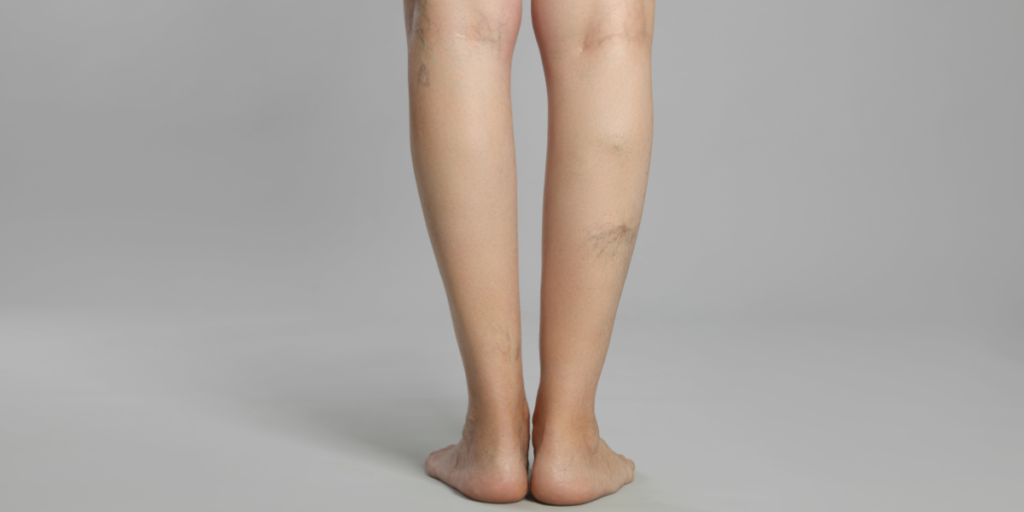
Varicose veins are swollen, twisted veins that typically appear on the legs, and they are located just under the skin’s surface. When the valves inside the veins do not work properly, blood does not flow back to the heart effectively. This causes the blood to pool, which makes the veins enlarge. Here is more information about the causes of varicose veins and how to prevent them:
Damaged Valves
When they are healthy, the valves inside your veins open to let blood flow toward the heart and then close to stop it from flowing backward. Sometimes these valves weaken or become damaged. Blood then pools in the veins, so they get bigger and become varicose. This valve damage may happen for many reasons over time.
This condition can be uncomfortable, and many factors contribute to its development. The veins stretch from the increased pressure, which weakens the vein walls. Properly functioning valves are a key component of a healthy circulatory system.
A few ways you may support your vein health include:
- Staying active with regular exercise.
- Elevating your legs when resting.
- Avoiding long periods of sitting or standing.
Hormonal Changes
Hormonal shifts throughout life are natural, and they can play a role in the development of varicose veins. Puberty, pregnancy, and menopause bring significant hormonal fluctuations, which might relax vein walls. These veins typically improve after the baby is born.
Aged Vein Walls
As people get older, their veins naturally lose some of their elasticity. This process causes them to stretch. The valves in your veins may become weak, which allows blood that should be moving toward your heart to flow backward. Your veins might not work as well as they used to.
The walls of your veins get less flexible over the years. Blood can collect in the veins when the valves are not working properly, and the veins may bulge and twist. This is a normal part of the aging process for many people. Aged vein walls can play a significant role in the development of varicose veins through the following mechanisms:
- Decreased elasticity: Loss of flexibility in vein walls may make them more prone to stretching and weakening.
- Valve malfunction: Weakened vein walls can lead to poorly functioning valves, allowing blood to pool instead of flowing efficiently.
- Pressure buildup: Reduced vein strength could increase the risk of pressure buildup, which can cause veins to enlarge and twist.
Excess Weight
Carrying extra body weight puts additional pressure on your veins, and this is especially true for the veins in your lower body. The added strain makes it harder for blood to move up from your legs to your heart. Over time, this constant pressure may damage the valves inside the veins.
For some people, improved circulation can result from losing even a small amount of weight. The pressure on your veins decreases, so blood flows more easily. Managing your weight through diet and exercise offers many health benefits beyond vein health.
Get Treated for Varicose Veins
If your varicose veins cause you pain or discomfort, you have options, and many treatments are available that can close off or remove these veins. After treatment, blood flows through your other, healthier veins. You can discuss which approach is ideal for your situation with a specialist. Contact a clinic today to schedule a consultation and learn more about your treatment options.





