
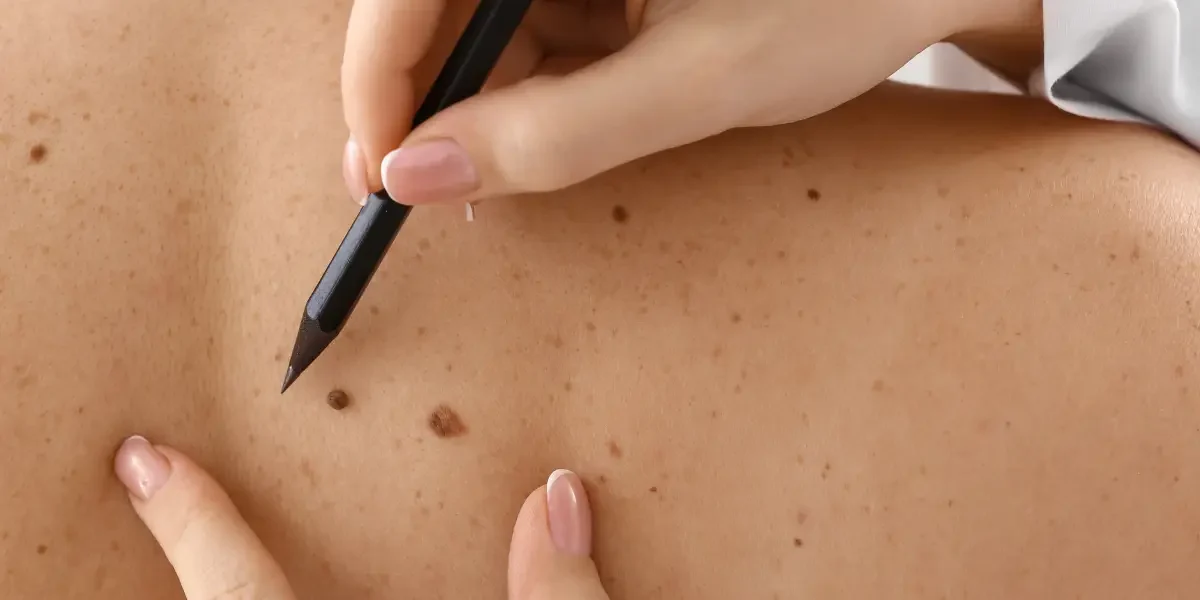
Skin cancer is the abnormal and uncontrolled growth of mutated cells within the outermost layers of the skin. Educational programs about skin cancer provide information about these mutations, and individuals who learn about the disease help with prevention. Because early detection improves long-term outcomes for patients experiencing skin cancer, education about the condition gives patients the necessary knowledge for understanding how it can influence them.
Learning Common Causes
Skin cancer can begin at any age, though it is more common in older individuals. When individuals spend extended time outside without UV protection, the sun’s radiation alters the DNA of skin cells, contributing to possible future mutations. Educational resources about this kind of cancer frequently identify ultraviolet exposure as a significant environmental trigger for carcinoma. Indoor tanning beds generate ultraviolet light, so dermatologists warn adults against utilizing these commercial devices.
Genetics can also contribute to melanoma development, and inherited traits often determine an individual’s susceptibility to solar damage. If a patient finds atypical moles across their body, physicians often monitor them for changes in size or color. Health education curriculums from doctors teach patients the differences between normal freckles and potentially malignant melanomas.
Environmental hazards like arsenic exposure occasionally trigger cell mutations in industrial workplaces. While time outdoors in the summer includes seasonal sun exposure, agricultural workers experience solar radiation throughout the year. Safety training for these individuals often highlights these risks, and some employers distribute protective gear to mitigate sun damage.
Learning Prevention Methods
Because sunburns cause damage to cellular structures, dermatologists often recommend applying broad-spectrum sunscreen thirty minutes prior to outdoor activities. Physical barriers, like clothing, offer protection against UV rays, so experts recommend wearing pants and long-sleeved shirts in the sun. Experts also often recommend using a face sunscreen every day, and some individuals may be able to find makeup products with sunscreen in them. Education about prevention provides individuals with strategies for daily skin maintenance.
Seeking shade reduces total ultraviolet exposure, and regular self-examinations help individuals spot irregular skin textures and colors early. Preventative education establishes behavioral habits to support individuals in getting help if needed. Without accurate information about proper sunscreen application, individuals may apply insufficient amounts of lotion for sun defense.
Learning Typical Treatments
Modern medicine provides numerous clinical interventions for removing cancerous moles in affected patients. Dermatological surgeons frequently utilize a specialized surgical procedure for facial tumors, and this technique preserves the healthy surrounding tissue. Since standard excisional surgery requires a simple incision, doctors use this primary method for smaller lesions on the arms or legs.
As certain carcinomas respond poorly to surgical removal, specialists utilize topical chemotherapeutic creams to treat localized cancer cells. Another treatment is called photodynamic therapy. This destroys abnormal superficial growths through a combination of light-sensitivity drugs and targeted light beams. Doctors apply the medication directly to the patient’s skin, and a specific wavelength of light activates the medication to kill the tumor.
Some individuals may respond well to injections into a melanoma. Since this addresses only individual cancerous lesions, this type of treatment is mostly used for early-stage cancer treatment. Advanced cases of melanoma require more systemic treatment approaches, and medical professionals administer radiation therapy as an alternative option for patients who cannot undergo surgical operations.
Learn More About Skin Cancer
Since ongoing medical research continually updates our understanding of epidermal diseases, communities benefit greatly from accessing modern health resources. Dedicated educational outreach programs empower local populations with accurate medical facts regarding ultraviolet risks. Contact your local health clinic to schedule a comprehensive skin screening today, and read authoritative medical literature to expand your knowledge about sun safety.





