
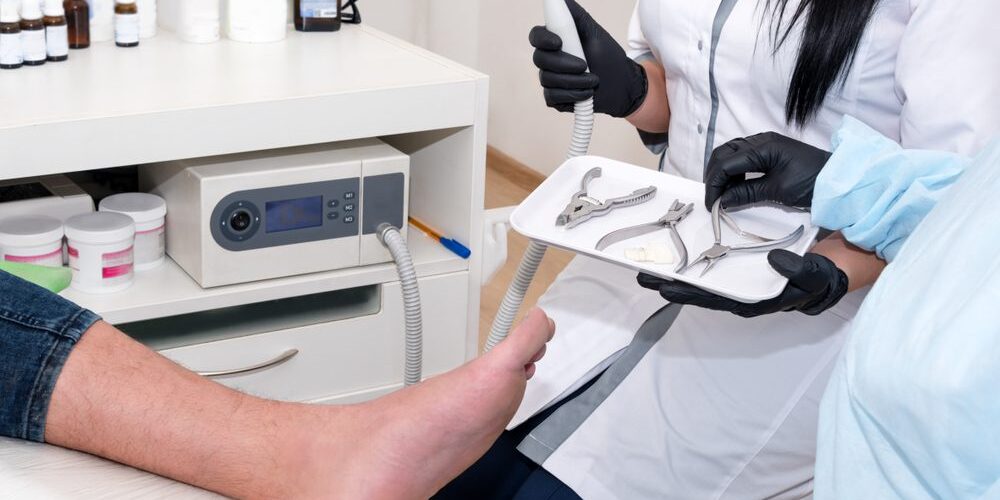
Foot health directly impacts daily mobility. When an ingrown toenail develops, it causes persistent discomfort that can interfere with walking and wearing standard footwear. Many patients visiting a foot specialist present with this specific condition, and understanding the nature of this ailment, the available interventions, and the surgical recovery timeline helps patients prepare for their appointments.
What Is an Ingrown Toenail?
An ingrown toenail occurs when the edge of a toenail curves downward and penetrates the adjacent skin. This abnormal growth pattern creates an opening for bacteria, leading to localized infections. Patients typically notice redness, swelling, increased warmth, and tenderness around the affected digit. In advanced cases, the area might exude fluid or pus and be accompanied by pain during movement or when the toe presses against the inside of a shoe.
Several factors elevate the risk of developing this condition. Trimming the nails at sharp angles rather than straight across is a primary cause. Wearing excessively tight footwear may also force the nails into the surrounding tissue. Other contributors include genetic predispositions like naturally curved nails, traumatic events such as stubbing the toe, and underlying systemic issues. Patients with diabetes face a higher likelihood of developing the condition and are more susceptible to experiencing subsequent complications.
How Is One Treated?
Medical providers determine treatment based on the severity of the condition and the presence of any active infection. Diagnosing the issue involves a physical examination and relies on a review of the patient’s medical history. A clinic may also utilize X-rays, allowing providers to assess exactly how deep the nail has penetrated the surrounding soft tissue. Initial interventions often involve conservative measures. A podiatrist might suggest modifying footwear to reduce pressure on the toes or soaking the affected foot in warm water to alleviate inflammation. Providers sometimes utilize specialized splints to gently lift the nail away from the inflamed skin, allowing the area to heal properly.
What Should You Expect?
Surgical removal of an ingrown toenail is a standard outpatient procedure. The physician will typically administer a localized anesthetic to numb the toe and prevent any pain during the actual extraction. Once the area is desensitized, the provider carefully cuts away the ingrown segment or the full nail.
Following the procedure, patients return home to begin the healing phase. It is typical to experience mild to moderate soreness as the numbing medication wears off, and over-the-counter pain relievers may manage this post-operative discomfort effectively. Providers generally apply a sterile bandage to the toe and provide detailed instructions regarding wound care.
Over the next few weeks, the surgical site requires consistent monitoring. Keeping the area clean and dry prevents secondary infections. Strenuous physical activities and heavy exercise should be paused until the physician confirms the tissue has adequately healed. Full recovery timelines vary, but adherence to post-operative guidelines promotes optimal tissue repair and prevents recurrence.
Meet With a Podiatrist
Proper foot care requires ongoing attention, especially for individuals prone to recurring nail issues. Seeking professional medical guidance at the first sign of discomfort may yield the best outcomes. Scheduling a consultation with a foot and ankle specialist allows patients to address persistent toe discomfort and maintain long-term foot health safely and effectively.