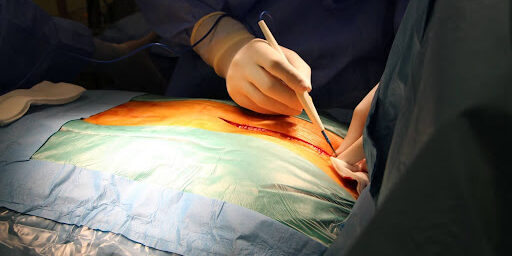
Recovery after hernia surgery varies depending on the surgical approach, the type of hernia, and the patient’s overall health. Following postoperative instructions and caring for the incision can support proper healing. Here is an overview of the recovery process after hernia surgery:
Managing Early Postsurgical Recovery
The first few days after your hernia surgery set the tone for the rest of your recovery. Rest remains a priority, though short periods of light movement help your body adjust. Your care team will explain how to manage soreness, and they will give you a schedule for any prescribed medication. Here are a few key areas to pay attention to:
- Pain management: Follow the dosing schedule your surgeon provides, and note any change in how you feel.
- Hydration and light meals: Drink fluids and eat small portions to ease digestion after anesthesia.
- Rest position: Prop yourself with pillows to reduce strain on the surgical area, and shift positions gently.
- Movement breaks: Take short and slow walks around your home to support circulation.
Resuming Movement and Activities
As the initial soreness fades, you will gradually return to your normal routine. Walking is usually the first activity people resume, and it encourages blood flow without heavy strain. Your surgeon will tell you when to add tasks such as light housework, and this timeline depends on the type of hernia surgery you had. Rushing back too soon can slow healing.
Heavy objects place pressure on the repaired area, and that pressure can undo careful work. Most people avoid lifting anything heavier than a few pounds for a set period, though your surgeon will give you exact limits. Driving typically resumes once you can move comfortably and no longer take strong pain medication. Work schedules vary widely, and the timing depends on how physical your job is. Talk with your surgeon about your specific duties, and make sure you follow their guidance.
Caring for the Surgical Site
Proper wound care after hernia surgery keeps the surgical area clean and supports healing. Your care team will show you how to change any dressing and explain how to keep the site dry. Here are key factors to watch for as you heal:
- Cleanliness: Follow bathing instructions, and keep the area free of dirt or irritation.
- Signs of redness or swelling: Note any increase, and report changes to your surgeon.
- Drainage: Watch for unusual fluid, and mention it during follow-up calls.
- Comfort of clothing: Wear loose garments that do not rub against the incision.
Preventing Complications and Recurrence
Long-term recovery involves habits that protect the repaired area. Maintaining a healthy weight lowers strain on the abdominal wall, and regular movement keeps your muscles engaged. Your surgeon may suggest a fiber-rich diet to reduce straining during bowel movements and support healing. Smoking can affect tissue recovery; your surgeon may recommend quitting before and after surgery.
Recognizing warning signs early gives you a chance to act quickly. Contact your care team if you notice a returning bulge, sharp pain, fever, or difficulty with digestion. These signals may point to a problem, and prompt attention often prevents extensive issues.
Schedule Your Hernia Surgery Appointment
Hernia recovery is a process that benefits greatly from proactive care and healthy lifestyle choices. Avoiding activities that strain the surgical area and being mindful of early warning signs are all key steps in protecting your health and preventing complications. Contact a qualified general surgeon near you to schedule your hernia surgery appointment.