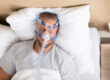
Sleep disorders can affect sleep quality and daily functioning. These conditions include disorders such as sleep apnea, insomnia, narcolepsy, and restless legs syndrome. A sleeping disorders specialist can evaluate symptoms and recommend appropriate treatment options. Here is more information about the different types of sleeping disorders and their treatments:
Understanding Insomnia
Insomnia is a sleep disorder that can make it difficult to fall asleep, stay asleep, or return to sleep after waking. Symptoms sometimes occur for a short period or continue over a longer time, depending on the underlying cause. A healthcare provider can evaluate sleep patterns and recommend appropriate testing when needed.
Treatment depends on each person’s symptoms, medical history, and sleep habits. A sleeping disorders specialist may recommend behavioral therapy, lifestyle changes, medication, or a combination of treatment options. Regular follow-up appointments help monitor symptoms and adjust the treatment plan when appropriate. Treatment recommendations may change as symptoms and sleep patterns improve over time.
Understanding Sleep Apnea
Sleep apnea is a sleep disorder that causes repeated pauses in breathing during sleep. Obstructive sleep apnea and central sleep apnea are the two primary types of the condition. A healthcare provider is able to evaluate symptoms and recommend appropriate diagnostic testing.
Common symptoms may include loud snoring, pauses in breathing, gasping during sleep, and daytime fatigue. A sleep evaluation helps determine the type and severity of the condition. Diagnostic recommendations vary based on each person’s symptoms. Test results help guide the treatment plan.
Treatment depends on the type of sleep apnea and each person’s health needs. A healthcare provider may recommend continuous positive airway pressure therapy, oral appliances, lifestyle changes, or other treatment options. Regular follow-up appointments help monitor treatment response, evaluate symptom changes, and adjust the care plan when appropriate. Treatment recommendations may change over time as symptoms and treatment needs evolve.
Understanding Narcolepsy
Narcolepsy is a neurological sleep disorder that affects the body’s ability to regulate sleep and wake cycles. Common symptoms often include excessive daytime sleepiness, sudden sleep episodes, and cataplexy in some people. A healthcare provider can evaluate symptoms, recommend diagnostic testing, and develop a treatment plan based on each person’s needs.
Understanding Circadian Disorders
Circadian rhythm disorders affect the body’s internal sleep and wake cycle. These conditions develop when the body’s natural rhythm does not match daily schedules or environmental cues. A healthcare provider can evaluate symptoms and recommend appropriate testing when needed.
Common circadian rhythm disorders include:
- Delayed sleep phase disorder
- Advanced sleep phase disorder
- Shift work disorder
- Jet lag disorder
Treatment depends on the specific condition and each person’s symptoms. A healthcare provider may recommend light therapy, melatonin, sleep schedule adjustments, or other treatment options. Regular follow-up appointments help monitor progress and adjust the treatment plan when appropriate.
Understanding Restless Legs
Restless legs syndrome is a condition that creates uncomfortable sensations in the legs and an urge to move them, especially during periods of rest. Symptoms often become more noticeable in the evening or at night and may affect sleep quality. A healthcare provider are able to evaluate symptoms, identify possible underlying causes, and recommend treatment options based on each person’s needs.
Schedule With a Sleeping Disorders Specialist
Sleep disorders are able to affect sleep quality, daily activities, and overall health. A healthcare provider can evaluate your symptoms and recommend treatment options based on your condition. Treatment plans vary according to each person’s symptoms, medical history, and sleep evaluation results. Contact a qualified sleep disorders specialist to schedule an evaluation and learn more about your treatment options.