Diabetes is a chronic condition that affects how the body processes blood sugar, so diabetics often have high blood sugar levels. Elevated blood sugar can damage nerves and reduce circulation, and this damage often affects the feet and lower limbs first. Reduced sensation can make it harder to notice minor injuries, while poor circulation slows healing processes. Because of these factors, foot care becomes a key part of managing diabetes. Custom orthotics are one approach to supporting foot health and comfort for people living with the condition.
How Custom Inserts Support Feet
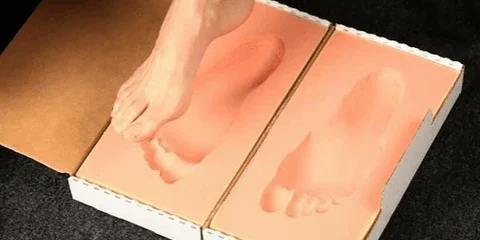
Custom orthotics are shoe inserts that match the specific shape and structure of an individual’s feet. Unlike over-the-counter insoles, these devices are built from measurements or molds taken by a specialist. Their primary role is to redistribute pressure across the foot. For someone with diabetes, concentrated pressure points can cause calluses, blisters, or irritation.
Custom inserts help spread that pressure more evenly, reducing stress on sensitive areas. Orthotics also provide additional cushioning and stability. This added support may improve comfort during standing and walking, particularly for those who spend long periods on their feet.
How They Are Personalized
When getting prescribed orthotics, personalization starts with an assessment of your foot structure, gait, and specific needs. A specialist examines how you walk and where pressure builds, then selects materials and a design suited to those findings. Orthotics generally fall into two categories: soft and functional.
“Soft” Accommodative Orthotics
Accommodative orthotics use softer, more flexible materials; they cushion the foot and relieve pressure rather than reposition it. People often choose these devices for extra padding and comfort. The soft construction absorbs impact and adapts to the foot’s contours, helping protect areas prone to irritation.
“Functional” Rigid Orthotics
Rigid orthotics use firmer materials such as plastic or carbon fiber. They control motion and support foot alignment during movement. Clinicians typically select these inserts when structural support is the priority. The firmer design limits excess joint movement, which can improve stability while walking or standing. The choice between accommodative and functional orthotics depends on your assessment. Some people benefit from a combination of both features within a single device.
How Long Prescription Orthotics Last
Custom orthotics last between five and seven years on average. Their lifespan depends on several factors, including how often you wear them, your activity level, and the materials used in their construction. Proper care can extend their use. Keeping orthotics clean and dry helps preserve the materials, and storing them away from direct heat prevents warping. Rotating between pairs, if you have more than one set, can also reduce wear. Feet can change over time, and periodic health check-ins help your orthotics continue to fit and function as intended. Signs of wear, such as thinning cushioning or visible cracks, may indicate that you need a replacement.
Learn More About Custom Orthotics
Custom orthotics support the feet by redistributing pressure and adding stability. For people with diabetes, who may face reduced sensation and slower healing, these devices offer a personalized approach to foot comfort. To learn more about custom orthotics, contact a foot and ankle specialist, such as a podiatrist. A professional assessment will determine whether orthotics are appropriate for your situation and, if so, which type matches your foot structure and lifestyle.