
Breast cancer occurs when abnormal cells in the breast tissue multiply uncontrollably. These cells form a tumor, which can spread to surrounding tissue or other parts of the body if left unmanaged. Because the disease varies widely in type and stage, treatment approaches are tailored to individual patient factors, and follow-up care continues after initial treatment. Here is more information on the role of follow-up care in breast cancer management:
What Is Breast Cancer?
Breast cancer develops when cells in the breast tissue grow abnormally and form a tumor, and it is one of the most commonly diagnosed cancers in women. Several factors influence a person’s risk of developing cancer. Genetics, age, and hormonal history all play a role, and some cases are linked to inherited gene mutations such as BRCA1 and BRCA2. Early identification of the cancer type and stage is key, as it gives patients access to a broader range of treatment options.
How Is It Managed?
Breast cancer management typically involves one or more treatment methods, and the approach depends on the type and stage of the cancer. Surgery, radiation therapy, chemotherapy, hormone therapy, and targeted therapy are all used. While each method serves a distinct purpose, a medical team will assess each patient’s specific case and recommend the most appropriate plan based on individual factors.
When a treatment plan combines multiple approaches, clinicians may deliver treatment in stages so each approach is implemented appropriately. Surgery may be followed by radiation or chemotherapy to address any remaining cancer cells; this sequencing allows clinicians to target the disease at multiple points. Each method aims to remove, shrink, or control the cancer as effectively as possible.
What Does Follow-up Care Involve?
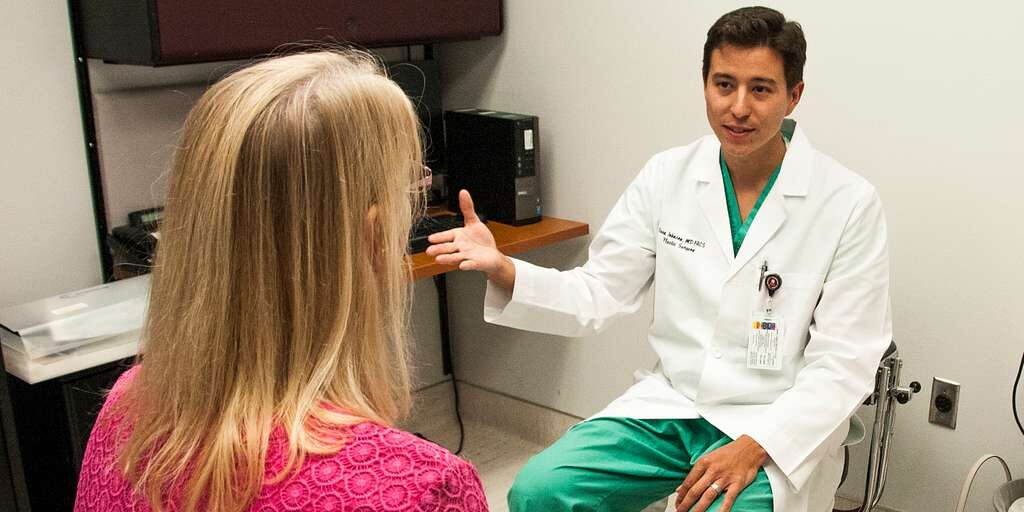
Follow-up care refers to the ongoing medical attention a patient receives after completing primary breast cancer treatment, and it typically includes regular physical exams, imaging tests, and lab work. These help monitor the body’s response after treatment. Since follow-up care depends on both the treatment received and individual health factors, its schedule and type vary from patient to patient.
Appointments are generally more frequent in the first few years after treatment. They may become less frequent over time. During these visits, the doctor looks for signs of recurrence, and they evaluate the patient’s overall health. Recovery extends beyond physical health, so they may also be referred to specialists as part of a broader care plan.
How Is Follow-up Care Beneficial?
Consistent follow-up care allows the medical team to detect signs of cancer recurrence early, which is central to long-term recovery. Early detection helps improve the likelihood of successful treatment. If the cancer returns, timely intervention can affect outcomes, and the medical team will be better equipped to respond effectively. Follow-up care supports overall well-being throughout recovery. Some patients experience lasting effects from treatment, including:
- Fatigue and changes in energy levels
- Reductions in bone density
- Cognitive changes, such as difficulties with memory or concentration
Scheduled care helps patients manage recovery more effectively.
Seek Follow-up Care Today
Follow-up care is a key part of managing cancer after treatment; each component works together to monitor your health, catch potential recurrence early, and support your long-term recovery. Staying engaged with your care plan gives your medical team the information they need to act quickly if anything changes. If you have recently completed breast cancer treatment, speak with your doctor about establishing a follow-up care schedule.





