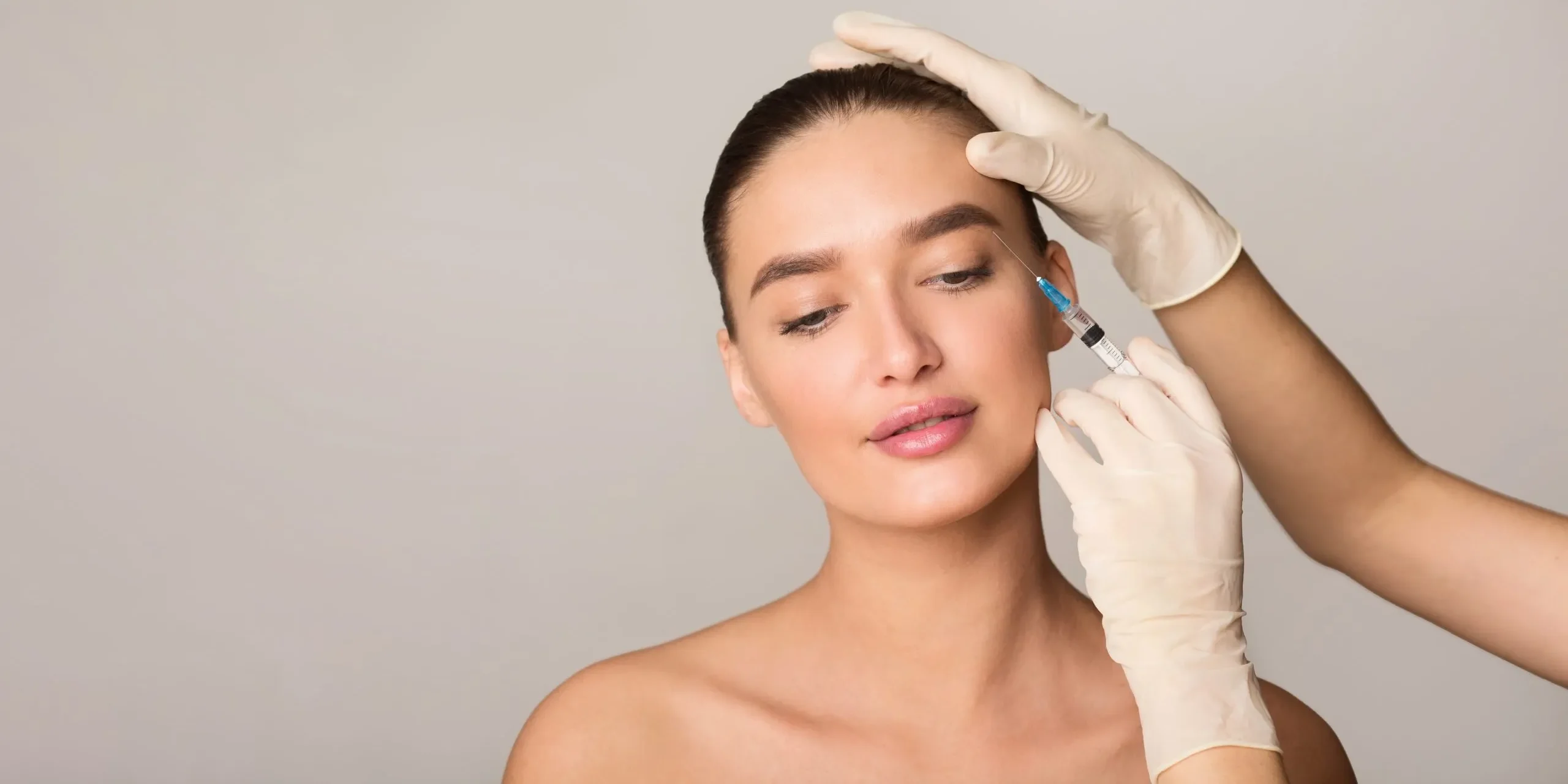
Botox is an FDA-approved neurotoxin used to address wrinkles associated with repeated facial expressions and movements. The injections relax targeted facial muscles and may soften the appearance of crow’s feet, forehead lines, and frown lines. A provider evaluates individual aesthetic goals and develops a personalized Botox treatment plan based on the areas being addressed. Here is more information about the benefits of Botox beyond cosmetic use:
Understanding How it Works
Botox uses botulinum toxin to temporarily reduce muscle activity in targeted treatment areas. The injections affect nerve signals associated with muscle contractions, which relates to their use for certain facial lines and wrinkles. Treatment effects are temporary, and individual experiences vary based on the treatment area and other factors. A qualified provider evaluates each patient’s goals and discusses treatment timing and follow-up recommendations based on individual needs.
Understanding Medical Uses
Botox has medical applications in addition to its cosmetic use. Providers use botulinum toxin to temporarily affect nerve signals in targeted areas, and treatment depends on the condition being addressed. A healthcare provider evaluates symptoms, medical history, and individual needs before discussing whether Botox fits a treatment plan.
Medical uses of Botox include:
- Managing chronic migraines: Injections are used as a preventive treatment for certain patients with chronic migraines.
- Managing overactive bladder: Injections address specific symptoms associated with overactive bladder.
- Managing cervical dystonia: Treatment targets muscles affected by involuntary neck contractions.
- Managing excessive sweating: Injections address hyperhidrosis by targeting nerve signals associated with sweating.
- Managing muscle spasticity: Injections target specific muscles affected by certain forms of spasticity.
Each medical application involves different treatment areas and patient needs. A qualified healthcare provider determines the injection sites and treatment approach based on the condition being addressed.
Understanding Cosmetic Uses
Botox is used cosmetically to address facial lines associated with repeated muscle movement and expression. Providers inject Botox into targeted facial muscles based on the areas being treated. Common treatment areas include crow’s feet, forehead lines, and frown lines.
Changes following Botox treatment develop over time, and individual experiences vary. The treatment temporarily reduces activity in selected muscles rather than changing the underlying structure of the skin. A provider discusses what patients can expect based on their treatment areas and aesthetic goals.
Botox and dermal fillers address different types of aesthetic concerns. Botox focuses on lines associated with muscle movement, while dermal fillers address concerns related to facial volume. A qualified provider evaluates individual concerns before discussing which aesthetic treatment fits the patient’s goals.
Understanding the Treatment
An appointment often begins with the provider identifying targeted areas before administering a series of injections. Treatment details vary according to individual aesthetic goals, medical history, and the areas being addressed. After the procedure, the provider gives instructions regarding skin care, physical activity, and other aspects of aftercare. Patients should follow their provider’s specific recommendations and discuss questions about medications, supplements, or post-treatment care before making changes to their routine.
Schedule Your Botox Consultation
Botox has both cosmetic and medical applications based on individual treatment needs. Providers use Botox to address certain facial lines, while medical applications involve specific health conditions. A qualified provider evaluates symptoms, medical history, and treatment goals before discussing an individualized approach. Schedule a consultation today to discuss whether Botox fits your cosmetic or medical treatment needs.