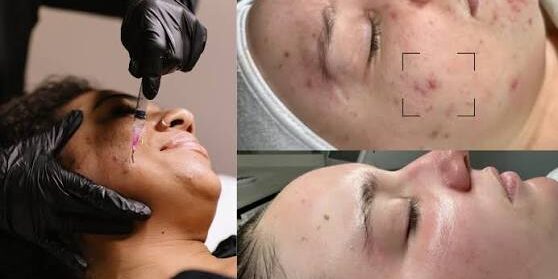
Acne is a common skin condition affecting people of all ages. It appears when the skin’s pores become blocked, leading to blemishes such as pimples, blackheads, and whiteheads. Acne is often linked with adolescence, but adults experience it as well.
What Is Acne?
Acne is a skin condition that develops when hair follicles become clogged with oil and dead skin cells. Each follicle connects to a sebaceous gland; these produce an oily substance called sebum. When excess sebum combines with dead cells, it can trap bacteria inside the pore and lead to inflammation.
Acne may take several forms. Some blemishes remain small and non-inflamed, such as blackheads and whiteheads. Others become red, swollen, or filled with pus, and deeper lumps known as nodules or cysts may form beneath the surface of the skin in severe cases.
The condition most often appears on the face, but it can also develop on the back, chest, and shoulders. These areas are typically more prone to breakouts. Acne ranges from mild to severe, with its appearance varying from one person to another.
What Causes Them?
Several factors may increase the chance of developing acne. The condition can affect anyone, but certain circumstances make breakouts more likely. Recognizing these risk factors helps you identify patterns in your own skin and adjust your habits accordingly. These include:
- Hormones: Shifts in hormone levels, such as those during puberty or pregnancy, may stimulate the oil glands and contribute to clogged pores.
- Family History: A tendency toward acne can run in families.
- Medications: Some medications, including specific corticosteroids and hormonal treatments, may be associated with acne in some individuals.
- Skin and Hair Products: Oil-based cosmetics or products can block pores and encourage the formation of blemishes.
- Stress: Emotional stress does not directly cause acne, but it may worsen existing breakouts for some people.
Age is another factor to note. Teenagers experience acne frequently due to hormonal activity, but adults may continue to deal with breakouts.
How Is It Treated?
Treatment for acne depends on its severity, the type of blemishes present, and how the skin responds to different approaches. Many options are available, and they range from over-the-counter products to prescription treatments prescribed by a dermatologist. There are a few common approaches, including:
- Topical Products: Creams, gels, and lotions applied directly to the skin may contain ingredients that reduce oil, clear clogged pores, or address bacteria.
- Oral Medications: For moderate to severe cases, a dermatologist is able to prescribe oral treatments.
- In-office Procedures: Some patients benefit from treatments performed in a clinical setting, such as chemical peels or light-based therapies.
- Daily Skin Care: Using non-oily products can support other treatments and help maintain clearer skin.
Results can take time, and consistency helps to produce better outcomes. A dermatologist may recommend a personalized plan, suited to the specific type and severity of acne. They can adjust the approach as the skin improves.
Meet With a Dermatologist
Acne is a manageable condition, and understanding its causes and treatment options is a helpful first step. Professional care is able to address concerns that home remedies alone may not resolve. If you are dealing with persistent or worsening breakouts, a dermatologist can help you identify the underlying factors and build a treatment plan designed to improve the health and appearance of your skin over time.