
Hair loss affects millions of adults, and its causes range from genetics to hormonal shifts. Because these changes can affect daily living, modern hair restoration offers clinical approaches to address them effectively. Here is more information on what hair restoration involves, the treatments available, and how these procedures work:
What Is Hair Restoration?
Hair restoration includes medical and cosmetic procedures designed to reverse or slow hair loss. These treatments target the scalp, hair follicles, and surrounding tissue, and they are structured to encourage new growth in affected areas. The primary goal is to improve hair density and coverage. Treatments differ in technique and recovery time, so selecting the right option requires careful assessment. A qualified provider assesses scalp health, hair loss pattern, and medical history before recommending a specific approach.
What Are the Different Treatments?
Several treatment types address hair loss, and each suits different needs and severity levels. While some options are advanced, others are minimally invasive, requiring little recovery time. The right choice depends on both the extent of hair loss and the patient’s specific treatment goals.
Platelet-rich plasma (PRP) therapy is a minimally invasive treatment. It uses growth factors from a patient’s own blood to stimulate hair follicles, and it is particularly suited to those with early to moderate hair loss who prefer a non-surgical approach. Recovery time is typically short. Because the treatment uses a patient’s own blood components, the risk of adverse reactions is reduced.
How Does Hair Restoration Work?
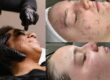
PRP therapy for hair loss uses the growth factors found in the patient’s blood to encourage hair growth. A provider draws a small blood sample, and they place it in a centrifuge, which separates the blood into distinct layers and concentrates the platelets. This process yields a protein-rich plasma, which supports cell repair and tissue growth.
Once the plasma is prepared, a provider injects it into targeted areas of the scalp where thinning occurs. The growth factors stimulate dormant follicles, and they can also improve blood supply to the surrounding scalp tissue. Injections are precise and methodical.
Although the schedule varies by patient, treatment plans often involve multiple sessions over several months. Results develop gradually as follicles respond to the increased nutrient supply, and patients may begin to notice changes after completing an initial series of treatments. Consistent follow-up sessions support sustained outcomes.
What Are the Benefits?
Hair restoration treatments can improve thinning hair. Key benefits include:
- Increased hair density: Treatments stimulate follicles to produce thicker, fuller hair.
- Minimal downtime: Non-surgical options like PRP therapy require little recovery time.
- Natural results: PRP uses a patient’s own blood, which lowers the risk of allergic reaction.
A consistent treatment plan supports steady progress and helps maintain results over time.
Address Your Hair Loss Today
Hair restoration offers a structured plan to achieve fuller, healthier hair. Treatments include minimally invasive options like PRP therapy, which uses your body’s own growth factors to stimulate follicles, but each method offers distinct benefits. If you are experiencing hair loss and are looking to explore your options, schedule an appointment with a medical spa today.