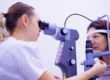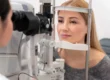
A cataracts specialist is an ophthalmologist who diagnoses and treats clouding of the eye’s lens. When cataracts blur your vision, this doctor evaluates your eyes and recommends treatment options. Choosing the right specialist takes research, and it helps to know what sets each provider apart. Here is more information on choosing the right specialist:
Identify Surgical Needs
Your first step is to understand what your eyes actually need. Since cataracts progress at different rates, some people need surgery sooner than others. A cataracts specialist examines your lens, and they measure how much your vision has changed. This assessment gives you a clear starting point.
Not every cataract calls for the same approach. When you meet a specialist, ask how your specific case affects the surgical plan. Some cataracts are dense, and others sit closer to the lens surface. These details shape the tools and techniques your surgeon selects.
Seek Advanced Procedures
Cataract surgery has improved over time. Modern specialists offer newer techniques, and many combine them with updated lens implants. Since technology varies between clinics, ask what equipment each surgeon uses. Your comfort with these tools matters.
When you compare providers, review the range of procedures they perform. Some clinics focus on standard methods, while others invest in newer systems. Ask about the following options during your consultation:
- Manual small-incision surgery
- Laser-assisted procedures
- Premium intraocular lens implants
A specialist who offers several methods gives you flexibility. Since your eyes differ from anyone else’s, a tailored plan makes sense. Ask how each option fits your diagnosis, and note how clearly the surgeon responds. Their explanation reveals their experience.
Find Femtosecond Laser Options
Femtosecond laser technology assists surgeons during certain steps of cataract surgery. The laser creates precise incisions, and it softens the cataract before removal. As not every clinic owns this equipment, availability differs by location. Ask directly whether a provider offers it.
This method appeals to patients who want a computer-guided approach. When you research clinics, request details about their laser systems. A specialist describes how the laser fits into your procedure. That conversation helps you weigh your choices without pressure.
Look for a provider who explains your options in plain terms. A good specialist answers your questions, and they outline what each procedure involves. If a doctor rushes through your visit, that tells you something useful. You need time to understand your own eyes.
Check Phacoemulsification Methods
Phacoemulsification is the most common cataract removal technique today. The surgeon uses ultrasound energy to break up the cloudy lens, then removes the fragments through a small opening. Since this method relies on skill and steady hands, surgical volume matters. Ask how often each specialist performs it.
When you interview a provider, request specifics about their outcomes and experience. You might ask these questions:
- How many procedures do you perform each year?
- What lens options do you recommend for my eyes?
- What does recovery typically involve?
Choose an Ideal Cataracts Specialist
Selecting a cataract specialist comes down to research and honest conversations. Since your vision affects your daily life, take your time with this decision and schedule consultations with a specialist before making a final decision. Prepare your questions and bring notes from each visit. Contact a qualified ophthalmologist near you to begin your evaluation today.