
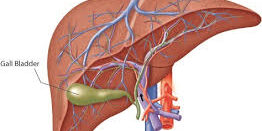
Digestive health covers a wide range of conditions, from ulcers to gallstones. The digestive system plays a key role in overall health, so persistent symptoms such as abdominal pain and changes in bowel habits should not be ignored. Gastroenterologists, also called GI doctors, specialize in diagnosing and treating disorders that affect the digestive tract, liver, pancreas, and related organs. Finding the right specialist can help with effective treatment planning and long-term management of digestive health concerns. Here are several tips for choosing a suitable GI doctor:
Review Available Care Areas
Begin by reviewing the range of digestive care a practice provides. Some gastroenterologists work broadly across the digestive system; others may focus on specific regions such as the liver, colon, or esophagus. Knowing a provider’s specialty helps you decide whether their experience aligns with the reason you’re seeking care.
A few areas of digestive care include:
- Acid reflux and GERD management
- Inflammatory bowel conditions such as Crohn’s disease and ulcerative colitis
- Liver and pancreas care
- Colon health and screening
- Swallowing and esophageal concerns
Compare Diagnostic Service Options
Diagnostic capabilities differ from one practice to the next. A GI doctor may offer in-office testing, lab work, and imaging coordination; these tools help identify the source of digestive symptoms. Ask what a practice handles on-site versus what it refers elsewhere. On-site options may streamline scheduling, potentially reducing the number of separate appointments you need.
Examine Procedure and Screening Offerings
Many gastroenterology practices perform procedures such as colonoscopies, endoscopies, and other examinations of the digestive tract. These services reflect the practice’s day-to-day focus, and they can help indicate how well it is equipped to address your specific concerns. It is also beneficial to determine where these procedures are performed, as location, scheduling availability, and preparation instructions all affect your overall experience.
Preventive care is another key component in this category. Routine screenings and ongoing monitoring help track conditions over time, and they support early detection of potential issues. Practices that offer organized reminders and follow-up systems can make long-term care more manageable and consistent.
Evaluate Follow-Up Support Services
Care rarely ends after a single visit. Strong follow-up services help keep your treatment plan on track and address questions that arise between appointments. Evaluate how a practice manages communication, including:
- Patient portals
- Phone access
- Prescription refills
- Follow-up visit scheduling
Practical logistics are just as fundamental as clinical care. Appointment availability and travel distance affect how smoothly your experience progresses. A practice with clear policies and accessible staff helps reduce delays throughout the process. Asking these questions early enables you to understand the support structure, so your overall experience can be more predictable and easier to manage.
Find a Reliable GI Doctor
Finding the right GI doctor depends on how well a practice’s services match your specific digestive health needs. It is helpful to review the scope of care, available diagnostic procedures, preventive services, and follow-up support before making a decision. Comparing several practices and asking clear questions about what each one offers can provide useful information; you should also evaluate how each practice aligns with your personal situation and long-term care needs. Meet with a qualified GI doctor to learn more about their digestive health services.




