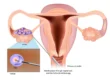
A women’s health doctor diagnoses endometriosis through clinical evaluation, and they manage it with hormonal therapies and surgery. Specialized care addresses chronic pain, fertility challenges, and long-term symptom management, which makes it a valuable resource for patients living with this condition. Patients who seek timely care from a qualified specialist may be more likely to receive effective treatment. Here is more information on how doctors assist with endometriosis:
What Is a Women’s Health Doctor?
Specializing in conditions that affect the female reproductive system, a women’s health doctor provides medical care that addresses a range of reproductive health concerns. These specialists may include obstetricians and gynecologists. Each practitioner receives focused training in diagnosing and treating complex reproductive conditions; this expertise allows them to identify patterns that general practitioners may overlook. Patients experiencing pelvic pain, irregular menstrual cycles, or fertility difficulties are typically referred to these practitioners.
What Is Endometriosis?
Endometriosis is a chronic condition in which tissue resembling the endometrium, the uterine lining, grows outside the uterine cavity. This tissue commonly develops on the ovaries, fallopian tubes, and pelvic lining, and it responds to hormonal fluctuations just as uterine tissue does. Because it has no way to exit the body, the tissue causes inflammation, scarring, and adhesions, leading to pain and organ dysfunction.
Symptom severity varies between patients. Some individuals experience debilitating pelvic pain, painful menstruation, and bowel or bladder dysfunction; others present with minimal or no symptoms. Infertility is also a complication. Endometriosis affects approximately 1 in 10 females around the world, which makes early identification integral to managing long-term reproductive outcomes.
How Is Endometriosis Treated?
Treatment for endometriosis depends on the patient’s symptoms, disease severity, and reproductive goals. Pain management helps relieve symptoms, and hormonal therapies work to suppress the menstrual cycle and reduce tissue growth. A women’s health doctor typically begins with conservative options. When these prove insufficient, more invasive interventions may be recommended.
When medication does not adequately control symptoms or when fertility is a concern, surgical intervention may be recommended. Laparoscopy is a standard procedure that allows a surgeon to locate and remove endometrial tissue with precision. It is minimally invasive. Surgery does not permanently cure endometriosis, but it can provide relief and improve fertility outcomes for some patients.
How Is Specialized Care Beneficial?
Specialized care offers distinct advantages for individuals managing endometriosis. Patients who seek specialized care benefit from:
- Access to clinicians who understand the complexity of endometriosis and its broader impact on daily functioning and quality of life
- Personalized treatment plans that reflect individual symptom patterns, lifestyle factors, and long-term health goals
- Ongoing monitoring of disease progression, with treatment adjusted as symptoms evolve to align interventions with current needs
- Early identification of changes in condition, enabling timely and precise clinical responses
Maintaining a consistent partnership with a specialist supports more effective long-term management of endometriosis.
Seek Professional Help Today
Endometriosis is a manageable condition when patients receive timely, accurate care from a qualified women’s health doctor. From initial diagnosis to long-term treatment planning, these specialists address the full range of symptoms with clinical precision. If you are experiencing pelvic pain, painful periods, or other symptoms consistent with endometriosis, schedule a consultation with a women’s health doctor. Early intervention may reduce the risk of complications, and it supports a better quality of life over time.