
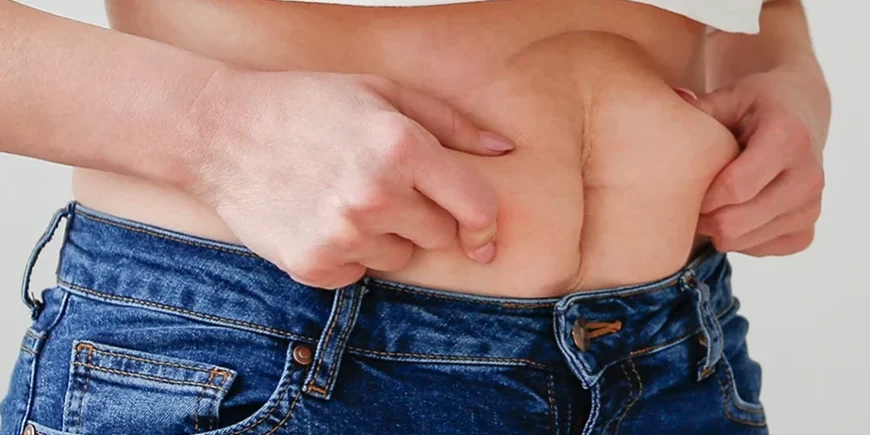
After major weight loss, many people are left with loose, sagging skin. Excess skin removal surgery, also called post-bariatric body contouring, is a procedure that removes excess skin and tightens the underlying tissue. A surgeon removes the loose skin and reshapes the body to create a smoother, firmer look. It is often discussed after bariatric surgery, once weight has stayed steady for some time. Here’s more information on excess skin removal surgery:
Experiencing Bariatric Surgery Results
Skin stretches as the body gains weight, and it holds that stretch for a long time. Bariatric surgery helps people lose a large amount of weight over a short period. When the body sheds many pounds quickly, the skin does not always shrink to match its new size. Due to aging and other factors, the skin may lose its elasticity and be unable to fully shrink after rapid weight loss. This happens because the fibers that keep skin firm, called collagen and elastin, become weak or damaged.
After bariatric surgery and rapid weight loss, skin may remain stretched in many areas of the body. When the fat underneath is gone, the stretched skin has nothing to support it. The skin may hang in folds on the stomach, arms, thighs, chest, or back. Some folds of skin commonly cause daily discomfort and may trap moisture, leading to rashes or irritation. This is when excess skin removal surgery may be recommended.
Getting Skin Removal Surgery
Excess skin removal surgery is performed by a plastic surgeon under general anesthesia, during which the surgeon makes incisions to remove fat and other tissues. The surgeon removes excess skin as discussed beforehand, then closes the area with stitches. Different parts of the body call for different procedures. Some common options for skin removal body contouring include:
- Tummy Tuck (Abdominoplasty): removes loose skin from the belly area
- Arm Lift (Brachioplasty): tightens skin along the upper arms
- Thigh Lift: reshapes the skin on the upper legs
- Lower Body Lift: addresses the stomach, hips, and buttocks at once
The amount of loose skin someone has depends on what their age is, how much weight they lost, and how long they carried the extra weight. Surgeons often recommend the procedure once a person’s weight has been stable for several months. Doctors also commonly wait until any health conditions are well managed. Each plan is based on the individual, so the right timing and approach will differ from person to person.
Recovering From Surgery
Recovery takes time and patience, as the body needs to heal from the cuts and adjust to its new shape. The plastic surgeon will give personalized instructions to follow during this period. Right after surgery, people will be monitored by their medical team before being released for home care.
The First Few Weeks
In the early days, swelling, bruising, and soreness are common. Many people wear compression garments to support the healing area and reduce swelling. There may be small tubes placed in the body, called drains, to remove extra fluid from the surgical sites. People should limit movement and avoid heavy lifting during this stage. Rest is invaluable for healing, but short, gentle walks are often encouraged to help blood flow.
The Next Few Weeks
After the first few weeks, energy often returns and daily tasks become easier. The plastic surgeon will tell their patients when they can go back to work and exercise more fully. Scars will fade over time, but they may not disappear completely, especially for larger treatment areas. Follow-up visits allow the surgeon to assess someone’s progress and answer their questions, enabling timely care and positive treatment outcomes.
Learn More About Excess Skin Removal Surgery
Excess skin after bariatric surgery is very common, and removal surgery is one option that may help. Understanding how the procedure works and what recovery involves helps you know what to expect and how to prepare effectively. If loose skin is affecting you, talk with a board-certified plastic surgeon. They can review your health, explain your choices, and help you decide what is right for you.





