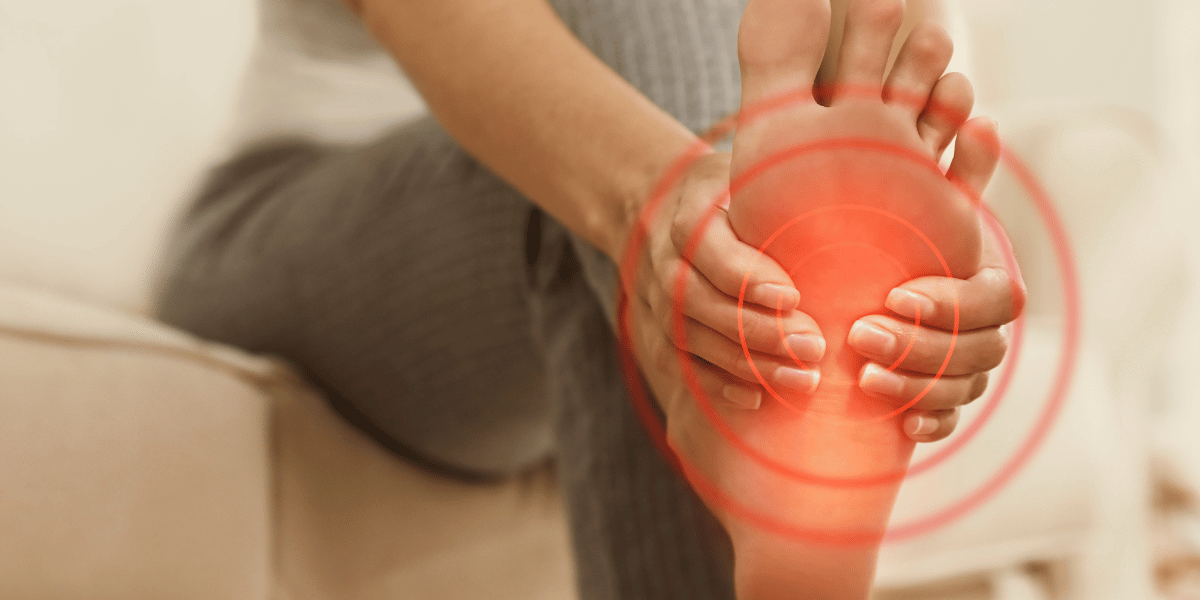
Your feet carry you through each day. When foot and ankle problems appear, they rarely stay contained, and they change how your entire body moves. Pain in one joint may shift your weight, and it creates new strain elsewhere.
How Does Pain Move?
Foot and ankle pain changes the way you walk. You may shorten your steps, limp slightly, or avoid bearing weight on the painful side. These adjustments are small, but they accumulate and can cause fatigue in your hips, knees, and lower back. Each uneven step asks nearby muscles to work harder than usual. This added effort tires your legs, and it changes how you move. You might notice slower walks or sore joints by evening. The body adapts quickly, but those changes rarely solve the problem, and they often create new ones.
Early attention to your gait can interrupt this cycle before strain spreads further. Rest often gives irritated tissues time to recover. Custom orthotics support your foot structure, redistribute pressure, and restore a steadier stride when worn consistently. The right support changes how force travels through each step. You may notice steadier balance and fewer aches after long days. Small corrections add up, so consistent use may matter more than occasional relief.
What Affects Your Posture?
This misalignment may be minor at first, yet it spreads tension upward through your back and shoulders. A small tilt at your ankle can echo through your frame. Your muscles work harder to hold you upright, and that effort can leave you tired or sore. You might have stiffness in your neck or aches by day’s end. The longer the imbalance lasts, the more your body adapts, and correcting it later takes more effort. Steady feet keep your alignment natural, so addressing pain early protects the joints above them.
Why Stay Active?
Daily activity depends on reliable, pain-free movement, and reduced movement sets off a chain of effects that touch your whole body:
- Slower circulation delays the blood flow that feeds healing tissues.
- Weaker muscles offer less support, so your joints absorb more daily stress.
- Lower activity affects weight management and overall joint health.
- Reduced stamina leaves you stiffer and more tired by day’s end.
These changes feed each other, so the original problem can quietly grow larger. Returning to gentle, steady activity helps reverse the cycle. Less pain often means you move more freely again. When symptoms ease, you can return to walks, stairs, and daily tasks with greater confidence. These treatments work best alongside movement, so pairing them with gentle exercise supports lasting recovery. This can protect your overall health.
Treat your Foot and Ankle
Foot and ankle issues influence your stride, posture, and overall physical function. Addressing them early prevents small problems from spreading through connected joints. Talk with a foot and ankle specialist about your symptoms,and explore options like rest, orthotics, or bracing. You build a plan that keeps you moving comfortably. Since you can schedule an evaluation today, protect both your feet and your wider health.