
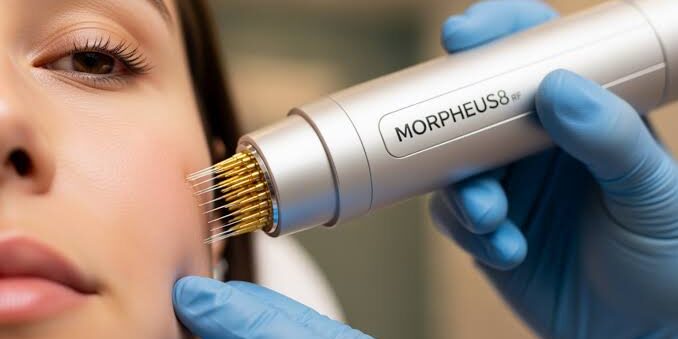
Microneedling is a cosmetic procedure that uses fine, sterile needles to create controlled micro-injuries in the skin. The treatment is performed to boost the skin’s natural repair process, and clinicians often use it to address texture concerns, scarring, and fine lines. Devices for this procedure range from manual rollers to motorized pens, and each one operates at a different depth. Selecting a provider involves a methodical review of qualifications, available treatments, and safety practices.
Services
Microneedling services may differ between clinics, since some clinics focus only on facial treatments, and others treat other skin areas. Some facilities may pair microneedling with other services, like topical serums or radiofrequency energy. If these additions are not part of what a client wants, the clinician may be notified to simplify treatment. This range of services offered often influences how clients choose their provider. Whether the concern is about skin on the face, hands, neck, or other areas, discussing the target area may alter a person’s choice for a provider.
Credentials
A provider’s training often indicates the quality and safety of the procedure. Many practitioners hold licenses as dermatologists, registered nurses, or licensed estheticians, and the scope of each license differs by state. Reviewing a provider’s documented qualifications, alongside reading reviews of the practitioner, can support a person’s decision.
State regulations set the minimum standards for who may perform microneedling, and these rules vary across regions. A licensed professional has to complete formal education and pass examinations to perform specific skin treatments. Verification through a state licensing board confirms that a provider meets the legal requirements for practice. These records can often be found through an internet search.
Beyond a base license, supplemental certification in microneedling techniques signals additional training. Some providers complete additional courses to use specific devices, and these programs cover depth settings and skin preparation. Asking about ongoing education reveals whether a provider stays current with updated protocols. Documentation of these credentials is typically available at the treatment facility or shared on request.
Hygiene
Sanitation practices affect the safety of any needle-based procedure. A reputable clinic uses single-use, sterile needle cartridges for each client, and staff disposes of these components after one session. Observing how a facility stores and handles its equipment provides direct insight into its standards. If it’s unclear how they handle cleanliness, asking questions about certain practices may offer additional insight to their methods.
Clean treatment rooms and proper disinfection routines reduce the risk of infection. The procedure involves breaks in the skin barrier, so a sterile environment limits exposure to bacteria. Staff members wear gloves, sanitize surfaces between appointments, and follow documented cleaning schedules. A facility that openly describes its hygiene protocols allows a person to evaluate its commitment to safety.
Find a Microneedling Specialist
Choosing a microneedling provider often depends on the goals of the individual, so learning about the clinic and provider offers information to help make a choice. After a careful review, any additional questions about the provider can often be answered through an internet search or by calling the office. Contact a medical spa to learn more about potential providers.





