Staying active can put significant demand on your feet, ankles, and joints. Custom orthotics offer a tailored solution for people who want to move better and be supported from the ground up. Whether you’re managing a chronic condition or recovering from a recurring injury, the right orthotic can make a difference in how your body performs and feels. Orthotics can help with a range of issues, and here is more information about their uses and benefits:
Explaining Custom Orthotics
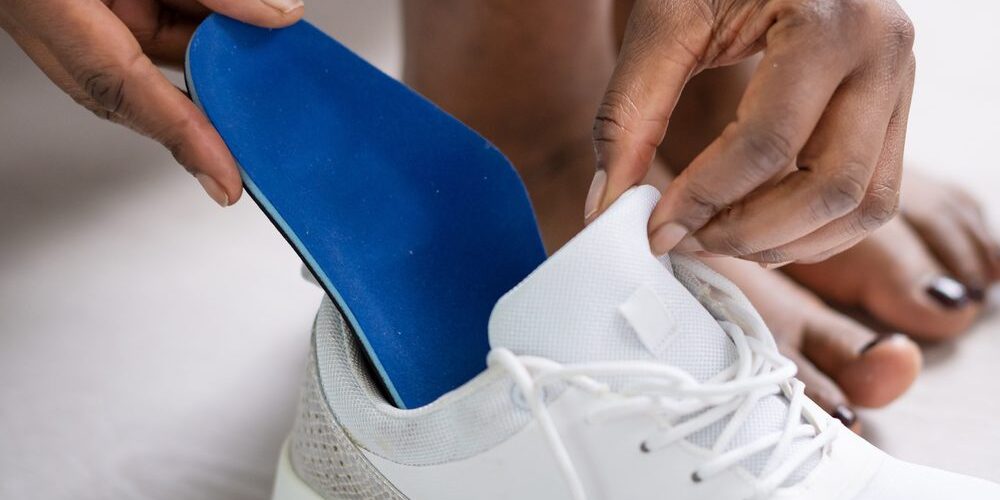
Custom orthotics are prescription shoe inserts made from a mold or digital scan of your foot. Unlike generic insoles, custom ones are fabricated to match the contours and biomechanics of your foot, providing targeted support where your body needs it most. These devices correct misalignments and redistribute pressure across the foot, and they support proper movement patterns during physical activity.
Preventing Injury for Active Individuals
Repetitive motion is one cause of foot and lower limb injuries in active individuals. When your foot strikes the ground with improper alignment, the stress travels upward through the ankle, knee, and hip, and those forces accumulate over time. Orthotics correct the biomechanical inefficiencies that put excess strain on tendons and muscles.
Active individuals benefit from orthotics in several key ways:
- Correcting overpronation or supination, which can cause shin splints, plantar fasciitis, and stress fractures
- Reducing abnormal pressure points that develop during high-impact activities like running or hiking
- Supporting arch function, allowing tendons and muscles to work within their natural range of motion
Because the provider calibrates the device to your specific foot structure, it addresses the root cause of injury rather than just the symptoms.
Stabilizing Arthritic Joints
Arthritis causes joint inflammation, and physical activity can worsen discomfort when the feet are not properly aligned. Custom orthotics help improve weight distribution on the feet, and this may reduce the concentration of stress on arthritic joints. Better alignment also stabilizes the ankle and knee, which are two joints that are frequently injured during sports activities.
Active individuals with arthritis may experience orthotics allowing them to maintain their routines with less discomfort. The devices do not eliminate arthritis, but they do create a more favorable mechanical environment for movement. A well-supported foot may reduce the compensatory patterns that develop when pain causes a person to shift weight unevenly, and those compensatory patterns frequently lead to secondary injuries.
Supporting Bunions
A bunion is a bony prominence that forms at the base of the big toe, and it develops when the joint is subjected to prolonged misalignment or pressure. Physical activity amplifies this pressure, making footwear fit poorly and causing significant discomfort during movement. Custom orthotics address bunion discomfort in several ways:
- Weight redistribution: Shifts pressure away from the bunion site to reduce pain during activity.
- Toe alignment: Promotes proper alignment throughout the gait cycle to minimize further joint stress.
- Cushioning: Built-in padding reduces direct friction against the bunion for improved comfort.
- Structural support: Helps prevent the foot from collapsing inward during movement, maintaining stability and reducing strain on the affected joint.
Learn More About Foot Health
Custom orthotics provide meaningful benefits for active individuals; they help prevent injury, improve joint stability, and accommodate structural foot conditions like arthritis and bunions. These custom devices last several years with proper care. If you have questions about the benefits of orthotics, consult a podiatrist near you.