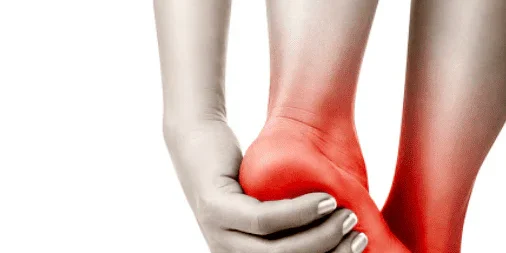
Plantar fasciitis is a common condition that affects the plantar fascia, a thick band of tissue that runs along the bottom of the foot. This tissue connects the heel bone to the toes and supports the arch. When the plantar fascia becomes irritated or inflamed, people often notice heel pain, especially with their first steps in the morning. Here’s information on foot structure and how flat feet relate to plantar fasciitis:
How Flat Feet Develop
Flat feet, also known as fallen arches, occur when the arch of the foot has little or no visible curve. Some people are born with flat feet, while others develop them over time from stress or pregnancy. Some common contributing factors include genetics, aging, obesity, injury, and conditions that affect the tendons or ligaments in the foot.
Not everyone with flat feet experiences problems. For many people, flat feet cause no pain or limitation, but some individuals may notice symptoms such as:
- Foot Fatigue
- Inner Arch Aching
- Foot Discomfort That Radiates
In certain cases, flat feet can alter the way weight distributes across the foot, and this shift may affect overall movement and alignment. When flat feet strain the plantar fascia, someone can develop plantar fasciitis.
How Plantar Fasciitis Develops
Plantar fasciitis typically develops when repeated stress or strain places excessive tension on the plantar fascia. This tension can lead to small tears and irritation within the tissue, and several factors increase the likelihood of developing the condition. Frequent contributors include prolonged standing on hard surfaces, high-impact activities such as running, and sudden increases in physical activity.
Body weight, tight calf muscles, and the natural aging process may further raise an individual’s risk. Wearing shoes with poor support or worn-out soles can also add strain. Foot mechanics play a central role as well, since the way the arch handles pressure directly influences how much tension reaches the plantar fascia.
How Flat Feet Impact Foot Structure
Flat feet and plantar fasciitis are often discussed together because of how they affect foot mechanics. When the arch is flat, the foot may roll inward during walking or running, a motion known as overpronation. This inward roll can change how force travels through the foot with each step. Overpronation may place additional stretch and stress on the plantar fascia; this ongoing tension can contribute to tissue irritation. People with flat feet are not guaranteed to develop plantar fasciitis, but altered foot mechanics can create conditions that increase strain on the arch. It is worth noting that people with high arches can also develop plantar fascia concerns.
Effectively Manage Your Foot Condition
Because flat feet can alter the way weight moves through the foot, they are one of many factors worth understanding when you think about foot health. Foot structure and daily habits both influence how the plantar fascia responds to stress. Supportive footwear, gradual increases in activity, and attention to arch support are practical ways many people promote their foot health. If you experience persistent foot or heel pain, contact a podiatrist near you for personalized advice.