
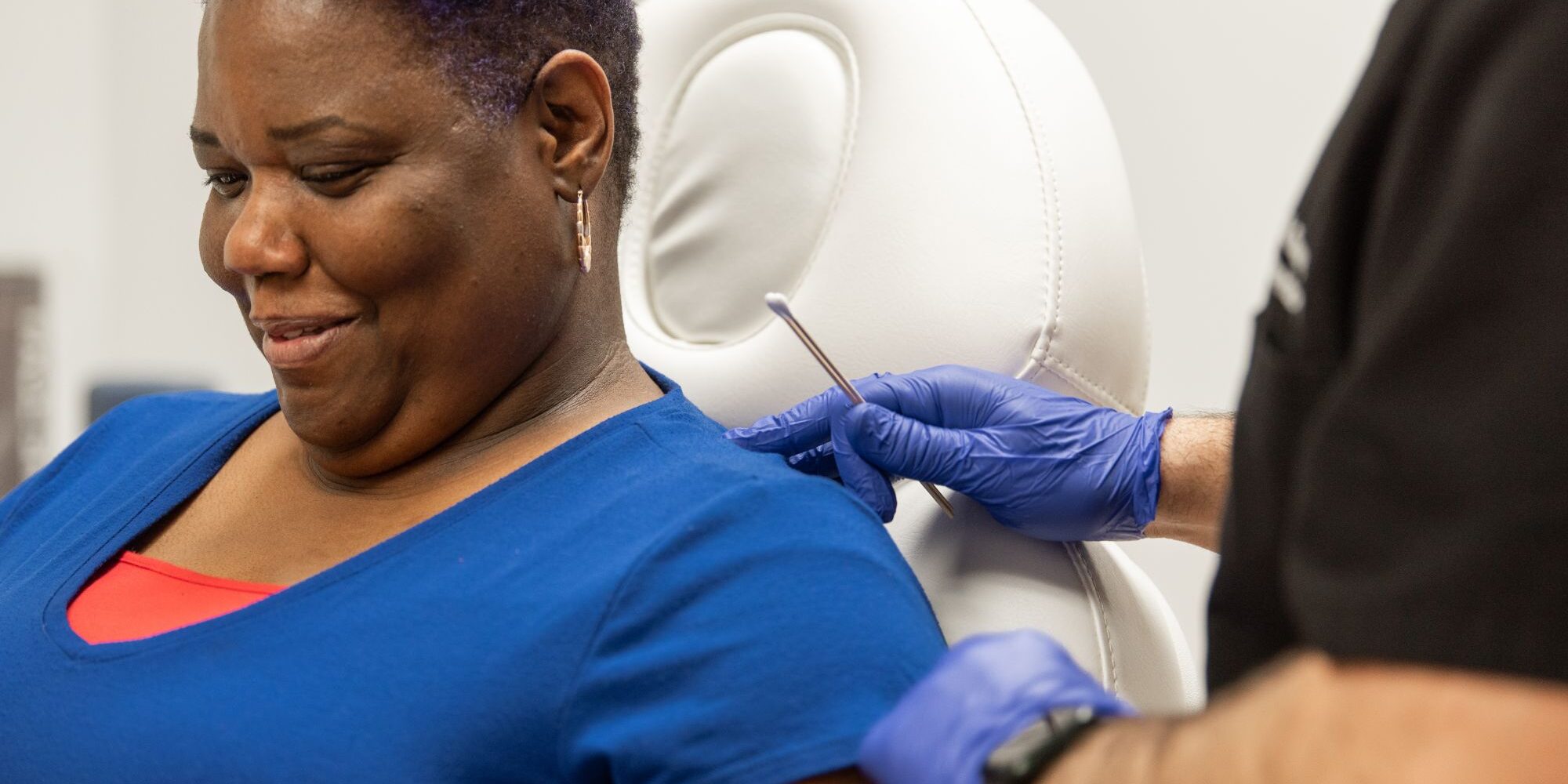
Recovery after Mohs skin cancer surgery requires proper wound care, follow-up visits, and monitoring of the treated area as it heals. The process may vary depending on the size, depth, and location of the removed tissue, as well as the repair method used after surgery. Here is an overview of what to expect during the recovery process after Mohs surgery:
Providing Immediate Wound Care
The first few days after Mohs skin cancer surgery require strict attention to the surgical site. Medical staff apply a pressure bandage over the wound and provide specific instructions for its removal. Here are key ways patients can care for the wound:
- Bandage management: Keep the initial dressing dry and in place for the first 24 to 48 hours.
- Gentle cleansing: Wash the area with mild soap and water after removing the initial bandage.
- Ointment application: Apply a thick layer of petroleum jelly to keep the wound moist.
- Activity restriction: Avoid heavy lifting and strenuous exercise for at least one week.
Although some redness and swelling appear normally, these symptoms generally subside within a few days. Proper daily care can prevent bacterial infections, and patients must follow their dermatologist’s instructions.
Supporting Healing and Follow-Up
After the first week of Mohs surgery recovery passes, the wound begins to close and stabilize. A doctor commonly uses stitches to close the defect, and these sutures usually require professional removal in one to two weeks. Follow-up appointments serve a fundamental role in the recovery cycle. The dermatologist evaluates the healing progress, and the clinical team removes any remaining stitches. If the surgeon observes issues during the visit, they can adjust the aftercare plan immediately.
Managing Scars Safely
Once the wound has fully closed, patients shift their focus to minimizing the visual impact of the scar. The skin continues to remodel itself for up to a year. Sun protection stands as a key factor in long-term skin health. Ultraviolet rays can darken new scars, so patients must shield the affected area from direct sunlight. When spending time outdoors, applying broad-spectrum sunscreen helps protect the scar and surrounding skin. Some patients use specialized scar creams, and others rely on basic petroleum jelly. Whatever method patients choose, they must follow the dermatologist’s advice.
Recognizing Recovery Concerns
While complications are rare after Mohs surgery, patients must monitor their bodies for adverse reactions. Early intervention can prevent minor issues from becoming major setbacks. Here are key signs that require immediate medical evaluation:
- Increasing pain: Worsening discomfort that does not respond to standard over-the-counter pain relievers.
- Excessive bleeding: Blood that continues to saturate bandages after applying firm pressure for a few minutes.
- Fever or chills: An elevated body temperature that indicates a potential systemic infection.
- Pus or foul odor: Discolored drainage that suggests bacteria have entered the surgical site.
Prompt medical attention can resolve most postoperative complications quickly. Patients should never ignore severe symptoms; they should contact the clinic immediately.
Learn More About Mohs Skin Cancer Surgery
Recovery after Mohs surgery requires consistent daily care. A methodical approach to wound maintenance minimizes scarring, and it significantly reduces the risk of infection. Contact a qualified dermatologist in your area to learn more about Mohs surgery today.





