
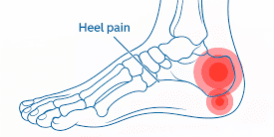
Heel pain refers to discomfort anywhere along the back, bottom, or sides of the heel. It affects individuals across various activity levels, and it stems from a range of underlying causes. Some issues are obvious, such as recent injuries or bruises; others remain hidden until a podiatry specialist examines the area. Understanding the distinctions between types of heel pain offers a helpful starting point for asking the right questions and making informed decisions with a care team.
Identifying Heel Spur Changes
A heel spur is a bony growth that develops on the underside or back of the heel bone. These growths sometimes appear alongside plantar fasciitis, but they may also develop on their own. Not everyone with a heel spur experiences pain.
Structural stress and long-term strain on the heel bone may play a role in spur development. Repetitive pressure from certain activities or footwear also contributes in some cases. Imaging typically reveals the presence of a spur, allowing a podiatry specialist to confirm the diagnosis and evaluate whether the spur is contributing to the patient’s symptoms.
Recognizing Back Heel Pain
Pain at the back of the heel, where the Achilles tendon attaches to the heel bone, follows a different pattern from plantar fascia-related pain. Achilles tendinitis involves irritation along this tendon, and it usually develops as an overuse issue rather than an acute injury. Rapid increases in training volume, terrain changes such as moving from flat to hilly routes, stiff footwear, and tight calf muscles are possible contributing factors. This type of heel pain is prevalent among runners and people who recently increased activity after a period of rest.
Examining Bottom Heel Pain
Plantar fasciitis is a common cause of heel pain, and it often occurs in individuals who jump or run frequently. This condition involves strain to the band of tissue that runs along the sole of the foot from the heel to the toes. People may notice this pain after long periods of rest, particularly in the morning or after sitting for a while.
Several factors contribute to this type of heel pain, including:
- Overuse or repetitive stress from activities like running, jumping, or prolonged standing, which places continual strain on the plantar fascia.
- Tight calf muscles or Achilles tendon, which can increase tension on the heel and the bottom of the foot.
- Improper footwear, especially shoes with poor arch support, thin soles, or excessive wear.
- High or low foot arches, both of which can alter weight distribution and increase stress on the plantar fascia.
- Sudden increases in activity level, such as starting a new exercise routine or increasing running distance too quickly.
- Excess body weight, which adds additional load and pressure on the heel during walking and standing.
Visit a Podiatry Clinic
Heel pain can have distinct causes, locations, and contributing factors. Conditions such as plantar fasciitis and heel spurs each present with different clinical features and risk profiles. Some conditions can overlap in symptoms; accurate identification often requires a detailed clinical assessment. If persistent heel pain is affecting you, schedule an appointment with a qualified clinician. Bring a clear account of when the pain occurs, where it is located, and what activities preceded it to support a more productive evaluation.




