
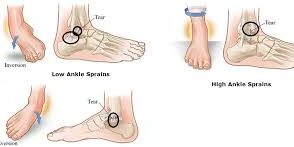
A sprained ankle occurs when the ligaments supporting the joint stretch or tear. Common symptoms include pain, swelling, bruising, and restricted mobility. Treatment typically begins with rest, ice, compression, and elevation (RICE), and it may progress to physical therapy or minimally invasive ankle arthroscopy for severe injuries. Prompt identification of symptoms allows patients to know when to seek care, which leads to targeted interventions that promote proper healing. Here is more information on sprained ankle treatment:
What Are Sprained Ankles?
A sprained ankle occurs when the ligaments surrounding the ankle joint are stretched or torn. Ligaments are tough, fibrous bands of tissue; they connect bones and stabilize joints. When these ligaments are damaged, the ankle becomes unstable and painful, often requiring sprained ankle treatment to heal properly.
Sprains are graded on a scale of one to three, and this grading scale reflects the severity of ligament damage. Grade one involves mild stretching, grade two involves partial tearing, and grade three involves a complete ligament rupture. Identifying the patient’s grade guides treatment, enabling proper healing.
What Causes Them?
Sprains typically occur when the ankle rolls, twists, or turns in an unnatural direction. This often happens during physical activity, such as running, jumping, or landing awkwardly, but it can also result from walking on uneven surfaces. Certain factors increase the likelihood of spraining an ankle. A history of sprains, poor footwear, and weak ankle muscles all contribute to a higher risk of injury. Understanding personal risk factors, which requires professional guidance, can help reduce the chance of re-injury.
What Are the Symptoms?
Patients typically experience immediate pain at the site of the injury following the initial twisting motion. Swelling develops rapidly around the joint, and bruising may appear within the first few hours. Some individuals report tenderness when touching the ankle, and they struggle to bear weight on the affected foot. The joint may also feel physically unstable, which restricts the patient’s overall range of motion.
What Is Sprained Ankle Treatment?
Treatment depends on the grade of the sprain and how quickly the patient seeks care; early intervention is recommended. Some patients respond well to conservative management at home, which is beneficial in the early stages. Professional assessment by a podiatrist is the most reliable way to confirm the extent of the injury.
A podiatrist will examine the ankle and review symptoms, and they may request imaging such as an X-ray or MRI. This helps rule out fractures and identify the degree of ligament damage. After this assessment is conducted, a structured treatment plan is developed.
What Does Treatment Entail?
Treatment typically begins with the RICE protocol (rest, ice, compression, and elevation). Resting the ankle reduces further strain, while ice limits swelling and pain. Compression bandaging provides support, and elevating the foot above heart level minimizes fluid buildup in the joint. Additional treatments include:
- Anti-inflammatory medication to reduce pain and swelling
- Crutches to offload weight from the injured ankle
- Ankle brace to stabilize the joint during recovery
- Physical therapy to rebuild strength, flexibility, and balance
- Minimally invasive ankle arthroscopy for severe cases
A structured rehabilitation program helps prevent re-injury by targeting the muscles and ligaments that support the ankle.
Consult a Podiatrist
Sprained ankles range from minor ligament stretches to complete tears, and each requires a tailored treatment approach. Left untreated, even a moderate sprain can lead to chronic instability, repeated injuries, or long-term joint complications. Early intervention may lead to better outcomes. If you are experiencing ankle pain, swelling, or instability following an injury, consult a podiatrist.




