Surgery touches many areas of health care, and behind a wide range of operations stands a skilled professional known as the general surgeon. These physicians care for patients dealing with conditions that may call for surgical treatment, from routine procedures to more involved operations. If you or someone in your family has been told that surgery should be part of a treatment plan, learning what a surgeon does can help you feel more prepared and informed.
What Is a General Surgeon?
A general surgeon is a doctor trained to diagnose and treat a broad set of conditions through surgical methods. Unlike specialists who focus on a single organ or body system, these surgeons work across several areas of the body. Their training gives them a broad scope, and this allows them to manage many different surgical needs. Their work often centers on the abdomen and its organs, but their reach extends beyond that. General surgeons may care for the skin, soft tissues, digestive tract, and more. Because their knowledge spans so many areas, these surgeons frequently serve as a central point of contact for patients who need an operation.
What Do They Treat?
Surgeons address a wide variety of conditions. Many of these involve the digestive system, including issues affecting the stomach, intestines, and colon. Common examples include hernias and gallbladder problems. These conditions often cause discomfort, and they may need surgical treatment when other methods are not suitable.
The list of treated conditions extends to several other parts of the body. General surgeons may care for problems involving the breast and the skin. They also treat growths or lumps that need to be removed and examined. Because their range is broad, these surgeons see patients of many ages and backgrounds. Some individuals arrive with long-standing concerns that have gradually worsened, and others face conditions that appear suddenly and require prompt attention. In each case, the surgeon reviews the situation carefully before recommending a course of action.
What Procedures Can They Perform?
General surgeons carry out many types of operations. One common example is the repair of hernias, where weakened tissue allows an organ to push through. Another frequent procedure is the removal of the gallbladder, and this can be performed when gallstones cause ongoing problems.
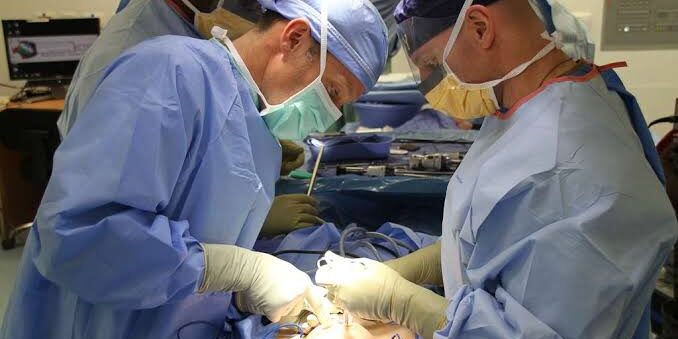
Surgeons may use minimally invasive techniques. These methods rely on small incisions and specialized instruments, and they can shorten recovery time for some patients. Laparoscopic surgery is one such approach, using a small camera to guide the operation. Some surgeons also work with robotic-assisted systems, which offer added precision during certain procedures.
Other operations include the removal of tumors, treatment of digestive tract disorders, and procedures involving the breast. General surgeons may also perform biopsies, and this involves taking a small tissue sample for closer study. The specific procedure always depends on the patient’s condition, as well as the surgeon’s assessment.
Seek Professional Surgical Care
Surgery is a significant form of treatment, and knowing the role of a general surgeon can make the process more manageable. These physicians bring wide-ranging skill to the treatment of many conditions. If a medical concern points toward surgical treatment, reaching out to a surgeon is a sound way to explore your options and move toward better health.