
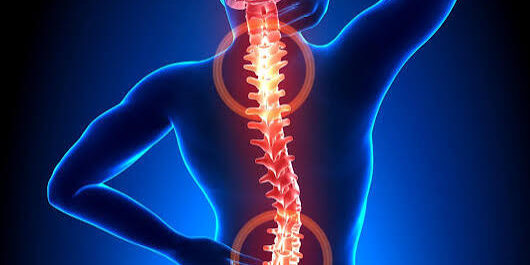
Osteoarthritis is a common condition that can affect the joints of the spine and contribute to back pain. As spinal cartilage changes over time, some people experience symptoms such as stiffness, discomfort, or reduced mobility. Understanding osteoarthritis and discussing available treatment options with a healthcare provider helps patients make informed decisions about their care. Here is more information on what to do about back pain from osteoarthritis:
Understanding Spinal Osteoarthritis
Osteoarthritis can affect the facet joints of the spine, which help support movement and flexibility. As these joints change over time, the cartilage often wears down, allowing the joint surfaces to move differently. These changes will sometimes contribute to symptoms such as stiffness, discomfort, or reduced range of motion.
Some people with spinal osteoarthritis are also able to develop bone spurs as part of the condition. In certain cases, these changes can affect nearby nerves and contribute to symptoms in other areas of the body. A healthcare provider is able to evaluate symptoms and recommend appropriate testing to better understand the cause of back pain.
Recognizing Common Symptoms
Symptoms of spinal osteoarthritis can vary depending on the affected joints and surrounding structures. Some people experience discomfort that changes throughout the day, while others notice stiffness or changes in mobility after periods of rest. Common symptoms may include:
- Reduced flexibility: Limited range of motion in the spine during daily activities.
- Grinding or clicking: Sensations that may occur with certain movements.
- Radiating discomfort: Pain, numbness, or tingling that is able to extend into the arms or legs.
- Difficulty standing: Discomfort that develops after standing for extended periods.
Some symptoms may suggest that additional medical evaluation is needed. If new or worsening symptoms develop, including changes in bowel or bladder function, contact a healthcare provider promptly. A medical evaluation helps determine the cause of symptoms and guide appropriate care.
Diagnosing the Root Cause
Diagnosing the cause of back pain typically begins with a review of your medical history, symptoms, and a physical examination. A healthcare provider may recommend imaging studies, such as X-rays, MRI scans, or CT scans, to evaluate the spine and surrounding structures. When appropriate, additional tests, including electromyography (EMG) or nerve conduction studies (NCV), may be used to gather more information and guide treatment decisions.
Exploring Conservative Treatments
Conservative treatment options are often discussed as part of a care plan for back pain related to osteoarthritis. Physical therapy may include exercises that focus on strength, flexibility, and movement to support the spine. Some providers are also able to recommend low-impact activities, such as walking or swimming, based on individual needs.
Treatment plans may also include medications or topical products to help manage symptoms when appropriate. Lifestyle factors, including weight management and regular physical activity, are also able to be discussed during care planning. A healthcare provider can recommend treatment options based on each patient’s symptoms, medical history, and overall health.
Exploring Advanced Treatments
When conservative treatments do not provide adequate symptom management, a healthcare provider will sometimes discuss additional treatment options. Depending on the cause of back pain, these often include injection-based procedures, radiofrequency ablation, spinal cord stimulation, or minimally invasive spine procedures. Your provider can explain the purpose, potential benefits, and factors of each option based on your condition and treatment goals.
Take Control of Back Pain
Managing back pain related to osteoarthritis often involves an individualized treatment plan based on your symptoms and health history. A healthcare provider can recommend evaluation, conservative treatments, or additional therapies when appropriate. Ongoing follow-up visits allow your care plan to be adjusted as your needs change over time. Schedule an evaluation today to discuss your symptoms and explore available treatment options.




