
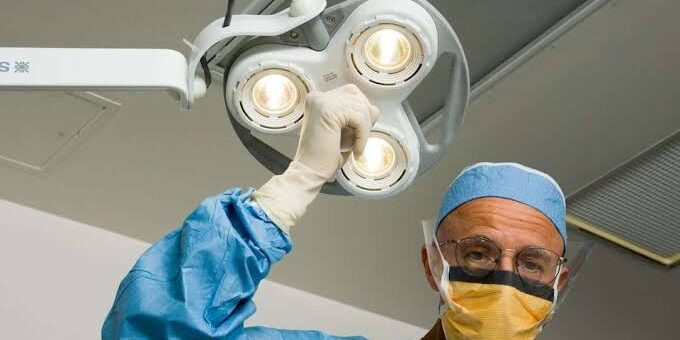
A face lift is a surgical treatment that tightens loose skin and smooths deeper wrinkles, and many people choose this option when other skincare methods no longer match their goals. The process follows clear stages, and each one has its own purpose. Knowing what happens at every step helps you be prepared and informed. This is what you can expect during a face lift procedure:
Initial Surgery Consultation
The face lift process begins with a consultation, and your surgeon reviews your medical history first. This meeting sets the tone for your entire plan. Since everyone’s anatomy is different, your surgeon maps out an approach built around your features.
During this visit, you talk openly about your goals and any concerns. The team explains the technique, and they answer your questions in plain terms. Since honesty guides the outcome, you share details about past procedures and current medications. Your surgeon may cover a few points before you leave, including:
- Your skin type and elasticity
- Realistic timelines for healing
- Various medications to pause beforehand
General Anesthesia
Face lifts typically require general anesthesia, so you stay asleep throughout the surgery, and an anesthesiologist monitors you throughout the process. Since comfort matters, the team adjusts your care to your body’s needs. The anesthesiologist checks your vitals, and they track your breathing. You typically feel nothing during the procedure, and before the surgery starts, the team explains how anesthesia works.
Small Incisions and Sutures
Your surgeon makes small incisions, and they place them near your hairline or ears. These spots help keep marks discreet. As placement takes skill, your surgeon plans each cut with care.
The surgeon then lifts and repositions the underlying tissue. Excess skin is trimmed, and the remaining skin is smoothed into place. Since precision guides this stage, the teams typically work slowly and steadily.
Fine sutures close the incisions once the work is done. You may notice small dressings over these areas afterward. Since healing depends on gentle handling, the team gives you clear aftercare steps.
Minimal Swelling and Recovery
Recovery starts right after surgery, and you rest in a quiet space at first. Swelling and bruising are normal in the early days. Since bodies heal at different speeds, your timeline may differ from someone else’s.
You follow simple aftercare steps at home to support your comfort. Keep your head elevated, and apply cold compresses as directed. Since rest speeds healing, you plan for a few quiet days away from work.
Here are helpful tips your team may share:
- Sleep with your head slightly raised
- Avoid strenuous activity for a set period
- Keep incision areas clean and dry
- Protect your skin from direct sunlight
- Stop consuming alcohol or smoking
The swelling eases over the following weeks, and you attend follow-up visits along the way. Your surgeon checks your progress at each appointment.
Schedule a Face Lift Consultation
A face lift involves several stages, and each one calls for skilled hands. Knowing the steps helps you approach the process with a clear mind. Since trust matters in surgery, you deserve a team that explains everything openly. Contact a medical center today and schedule your personalized face lift consultation with our expert team.





