Earlobe repair procedures are performed to correct stretched, torn, or damaged earlobes caused by trauma, aging, or prolonged use of heavy earrings. These treatments are typically minor and focus on restoring the earlobe’s natural shape and appearance. Here’s more information on what to know about earlobe repair procedures:
Why Choose Earlobe Repair?
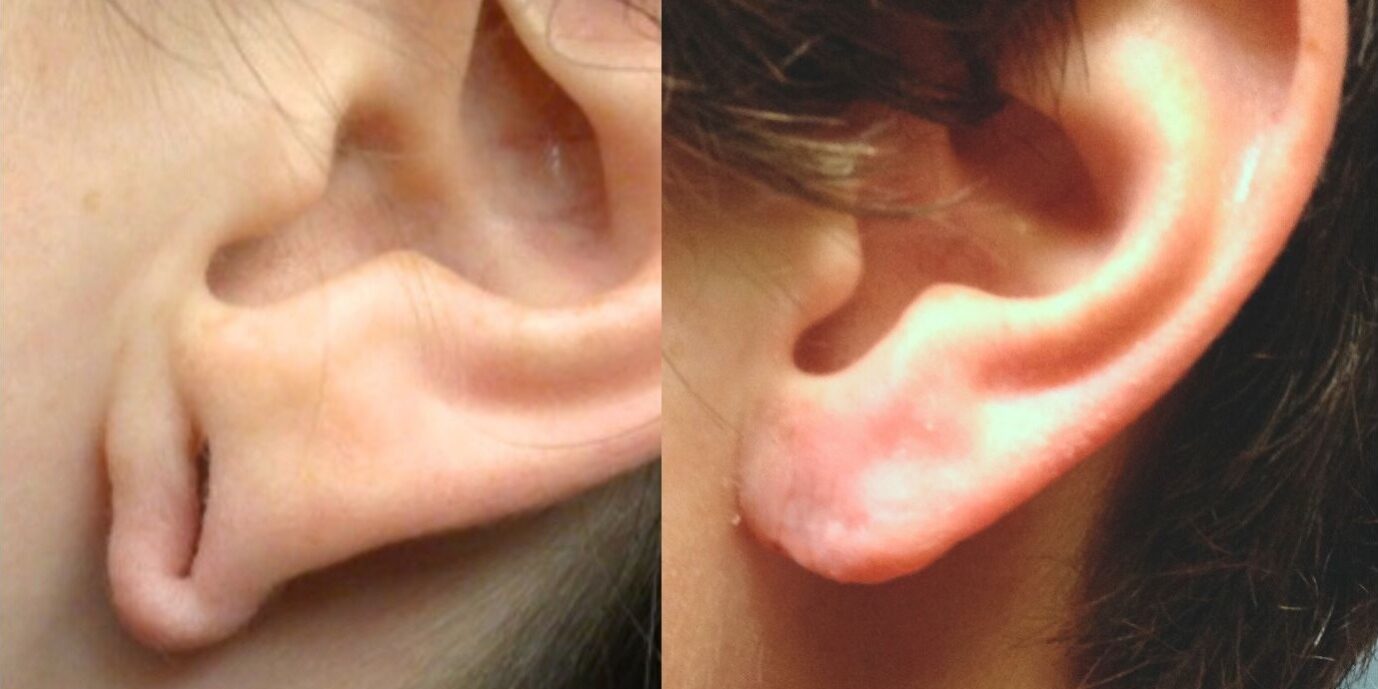
Many individuals think about earlobe repair to address physical damage or aesthetic concerns resulting from jewelry or aging. Patients typically seek this treatment for the following reasons:
- Regularly wearing large or heavy earrings that pull on the skin.
- Developing enlarged piercing holes that do not close naturally.
- Experiencing a tear, stretch, or split due to accidental trauma.
- Needing to repair a damaged or misshapen earlobe structure.
- Noticing natural changes like thinning, flattening, or wrinkling due to aging.
The soft tissue of the lobe can easily deform under constant pressure or trauma, leading to visible changes in shape. These issues can make wearing earrings difficult, but a medical provider can correct them through specific procedures.
How Is Earlobe Repair Done?
Most treatments follow a standard medical protocol, but the approach to earlobe repair depends on the specific nature of the damage. The goal is to create a fresh surface that allows the body to heal the separation. Here’s what you can expect during the procedure:
- The provider cuts away the healed skin on the inside of the torn area or long hole.
- Fresh edges are sutured back together to allow the lobe to heal as one piece.
- Specific techniques strengthen the lobe to help prevent future damage.
- Injectable fillers may be used to treat volume loss or wrinkling.
- Lasers can help resurface the skin for a smoother appearance.
The entire process and the combination of techniques help make sure the result appears natural.
What Is Recovery Like?
Patients should expect some minor side effects immediately following the appointment. You may experience mild bruising, swelling, or numbness in the treated area for a few days. These symptoms are temporary, and they should subside within a few days without significant intervention.
Sutures remain in place to hold the tissue together while it heals to make sure the lobe bonds correctly. The provider usually removes these sutures approximately one to two weeks after the procedure. Follow all post-procedure instructions provided by the medical team to avoid complications.
Can You Re-Pierce Later?
Many patients wish to wear earrings again after their earlobes have fully healed from the reconstruction. It is fundamental to wait until the tissue has recovered strength before attempting to insert jewelry. Doctors often recommend waiting at least six weeks before re-piercing the ears. The placement of the new piercing is key to maintaining the integrity of the repair. The new hole should be placed to the right or left of the scar, rather than directly on it. Piercing the scar tissue increases the risk of re-tearing the earlobe.
For those dealing with aging earlobes rather than tears, long-term results can be maintained with occasional touch-ups. Injectable fillers used to restore volume provide temporary correction and may require repeat administration. Your provider can create a long-term plan to maintain the aesthetic appearance of the earlobes.
Schedule Your Earlobe Repair Appointment
Earlobe repair offers a functional solution for damaged, split, or aging earlobes through minor surgical intervention. The process restores the ear’s natural shape and permits future piercing when performed correctly. Contact a qualified dermatologist near you to schedule your earlobe reconstruction appointment today and determine if this procedure suits your needs.