Hearing aids come in several types, including analog and digital models, which differ in several key ways. The right device depends on the degree of hearing loss, and consulting an ENT specialist helps patients make an informed decision. Here is more information on hearing devices, the different types, their features, and the benefits of professional guidance:
What Are Hearing Aids?
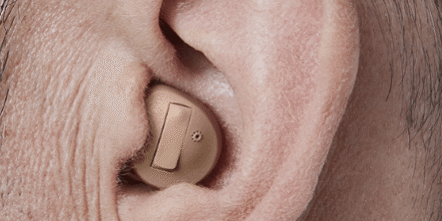
Hearing aids are small electronic devices worn in or behind the ear to amplify sound for people with hearing loss. They pick up sound through a microphone, process it, and deliver amplified audio into the ear canal, which makes them a valuable tool for improving auditory function. Modern devices are compact and discreet, and they are built to function across a variety of listening environments.
Not all hearing devices are built the same; the right device depends on several individual factors. These factors include the type and degree of hearing loss and lifestyle. When patients understand the basics of hearing aid technology, they can approach consultations with clearer expectations, which leads to more productive discussions with their specialist.
What Are the Different Types?
Hearing aids fall into two broad categories: analog and digital. Analog hearing aids convert sound waves into electrical signals and amplify them. While they are generally simple in design, they remain a practical option for patients with straightforward hearing needs, and some models offer basic adjustments. These adjustments may include separate settings for quiet or noisy environments, which help patients with varying listening conditions.
Digital hearing devices convert sound into numerical codes before amplifying them, which allows for more precise processing. These devices can be programmed to amplify specific frequencies and filter background noise; they also automatically adapt to different sound environments. Digital devices offer high customization and accuracy.
What Are Hearing Aid Features?
Modern hearing devices come equipped with a range of features that improve usability and sound quality. Microphones focus on sound coming from in front of the wearer, which makes conversations in noisy settings easier to follow. Some current models also offer wireless connectivity. Bluetooth-enabled hearing aids can pair with other devices for direct audio streaming. Not all hearing devices offer the same features; feature comparison during the selection process is beneficial.
How Is Professional Guidance Beneficial?
Professional guidance helps patients avoid poor fitting and insufficient amplification. Working with an ENT specialist provides several advantages throughout the selection process:
- An ENT specialist evaluates the type and degree of hearing loss through diagnostic testing, recommending devices suited to those specific results
- Specialists handle the programming and fitting of the device, enabling better sound quality and reduced discomfort during extended wear
- Follow-up appointments allow for ongoing adjustments as the patient acclimates to their device
Consult an ENT Specialist
Hearing aids range from basic devices to advanced digital systems; the right choice depends on the nature of the hearing loss, daily listening demands, and individual preference. An ENT specialist provides the clinical assessment needed to make that determination accurately. If you are experiencing hearing loss, schedule a consultation with an ENT specialist for a comprehensive hearing evaluation and a personalized device recommendation.