
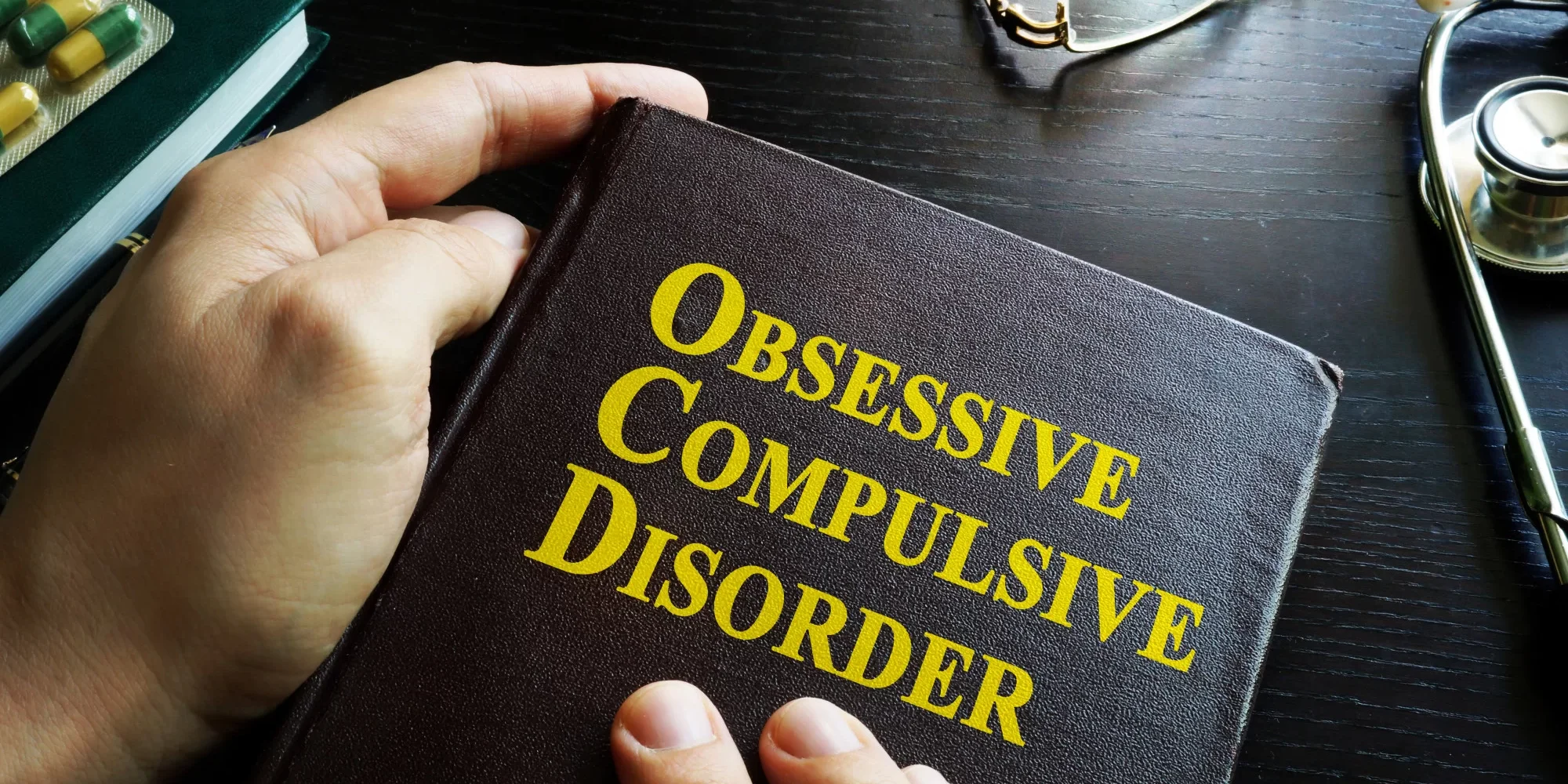
Obsessive-Compulsive Disorder (OCD) presents unique challenges for those navigating its persistent thoughts and behaviors. While standard treatments are effective, many individuals seek complementary strategies that address the whole person rather than just specific symptoms. A holistic perspective views lifestyle, stress management, and overall well-being as partners in the journey toward stability. This approach acknowledges that mental health connects deeply to physical health and daily routines. By examining these elements, individuals may find new ways to support their mental resilience alongside traditional care plans.
What Is OCD?
OCD is a chronic mental health condition characterized by intrusive thoughts and repetitive behaviors. These patterns can interfere with living a functional, fulfilling life. If left untreated, the condition may cause problems in professional or personal spheres, affecting adults, teens, and children alike.
The disorder involves a cycle of intrusion and reaction. The brain fixates on a particular thought or urge, leading to repetitive actions that feel necessary to prevent a feared outcome or reduce anxiety. Risk factors may include genetics, as having a family member with the condition increases the likelihood. There can also be a connection between OCD and other conditions such as depression, tic disorders, or substance misuse.
What Are the Symptoms?
Symptoms generally fall into two categories: obsessions and compulsions. Some individuals experience both, while others may primarily experience one. Obsessions are repeated thoughts, urges, or mental images that cause anxiety. Common symptoms include:
- Interruption in Thoughts: Unwanted and persistent mental images or ideas.
- Fear of Germs: Intense worry about dirt or environmental contaminants.
- Need for Order: An overwhelming urge to have items arranged in a precise way.
- Constant Worry: A pervasive sense of fear or judgment from others.
Compulsions are repetitive behaviors performed in response to an obsessive thought. Common compulsions include:
- Cleaning: Constant hand-washing or cleaning of household items.
- Checking: Repeatedly verifying that doors are locked or appliances are off.
- Rituals: Repeating words, counting, or performing specific movements to neutralize anxiety.
- Difficulty Making Decisions: Problems concentrating or finalizing choices due to fear of making a mistake.
These symptoms can fluctuate in severity. Mild symptoms may not be problematic, but extreme symptoms interfere significantly with quality of life, affecting work, school, and self-care.
How Is It Managed?
Managing OCD effectively often requires a combination of strategies. While psychotherapy and medication management are standard, holistic approaches focus on lifestyle modifications that support overall mental health. Integrative psychotherapy and lifestyle coaching can help individuals understand their triggers and develop practical coping mechanisms. This might involve cognitive-behavioral techniques alongside strategies to improve daily functioning.
Treatments like transcranial magnetic stimulation (TMS) offer non-invasive options. TMS uses magnetic fields to stimulate nerve cells in the brain to improve symptoms of OCD. Other innovative treatments, such as Ketamine therapy, are also utilized in some clinical settings to address resistant symptoms.
Consult a Psychiatric Specialist
While holistic approaches offer valuable tools for self-care, they function best when integrated into a comprehensive care plan overseen by a professional. A psychiatric specialist can provide an accurate diagnosis through a medical exam. Treatment options may include medication management or advanced therapies. Each person’s experience is unique, and professional guidance facilitates access to evidence-based care that reduces intrusive thoughts and compulsive behaviors effectively.





