
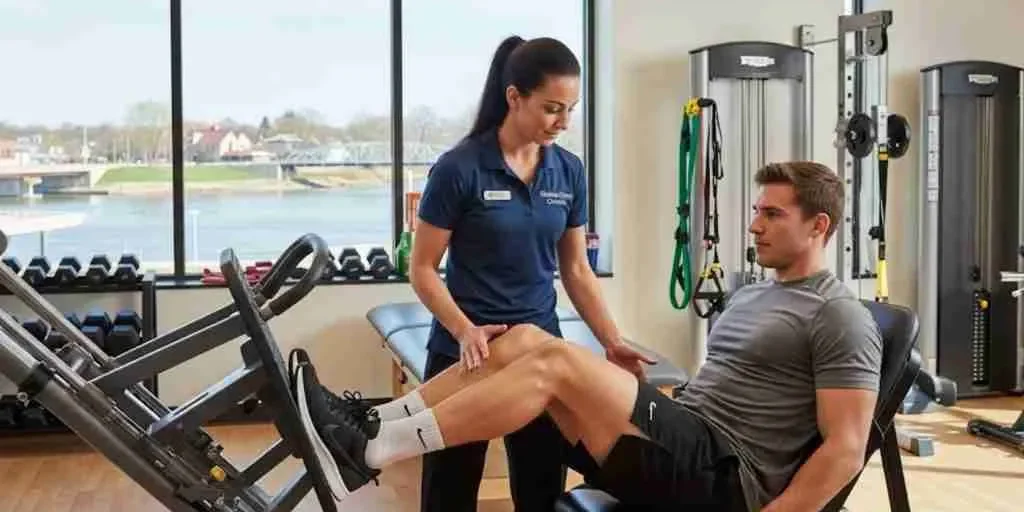
Orthopedic surgeons diagnose complex sports injuries for athletes across sports disciplines. Because athletic activities place stress on the musculoskeletal system, these specialized medical professionals coordinate comprehensive injury management plans. Targeted treatment protocols are developed by the clinical team, and physicians implement these interventions to restore anatomical function. These therapies are often used to treat existing or recurring injuries and they can prevent future injuries.
Physical Therapy
Orthopedic surgeons prescribe specific, progressive exercises for thorough joint rehabilitation, and trained therapists guide patients through the required movements. This structured clinical approach builds surrounding muscle strength around the damaged ligaments. Although physiological recovery requires weeks of progress, targeted conditioning routines gradually restore baseline joint mobility without surgical intervention. These therapy approaches can help prevent further deterioration of injured tissues.
When athletes experience connective tissue inflammation, orthopedic experts recommend manual manipulation techniques for pain reduction. Specialists monitor the structural range of motion throughout the recovery timeline, so they adjust the daily therapy routines according to the documented physiological response. Consistent, controlled movement ultimately prevents excessive scar tissue formation within the joint space. Physical therapy may also be accompanied by massage therapy to increase relaxation and mobility throughout the treatment process.
Injection Therapy
Corticosteroid injections rapidly reduce localized swelling within the affected joint capsule. The supervising physician administers the medication into the inflamed soft tissue, and the patient typically experiences a subsequent decrease in inflammation. Before athletes resume their training schedules, doctors evaluate the underlying joint architecture to confirm complete structural stability. Steroid injections can be readministered as necessary, based on physician recommendations.
Hyaluronic acid injections are another effective option for managing joint pain and improving mobility, particularly in cases of osteoarthritis. This therapy involves injecting a gel-like substance that mimics natural joint fluid, helping to lubricate and cushion the joint. By enhancing the joint’s mechanical function, hyaluronic acid can reduce discomfort and delay the need for more invasive treatments, such as surgery.
Injury Prevention Therapy
Since repetitive physical stress causes micro-trauma within the muscle fibers, orthopedic teams design individualized injury prevention plans. These proactive clinical strategies address specific biomechanical imbalances within the patient’s framework. Clinicians meticulously analyze dynamic gait patterns through advanced computer software, and they formulate corrective exercise regimens based on the resulting quantitative data.
Supportive devices mechanically stabilize vulnerable joints during high-impact athletic activities. If a patient presents with a history of severe ankle sprains, the attending surgeon may recommend custom orthotic inserts. Rigid external braces limit abnormal lateral joint movements, but they still allow the primary motion of the appendage.
Sports professionals integrate tape applications into their standard routines, or they wear specialized compression garments to promote circulation. While these specific tools offer substantial external support mechanisms, the individual athlete retains the responsibility for maintaining adequate physical conditioning. Routine medical evaluations identify emerging weaknesses before major connective tissue tears manifest.
Consult With Orthopedic Surgeons
When athletes experience injuries, a sports orthopedic surgeon can provide treatment plans for pain and further injury prevention. Injections can help with pain management, and physical therapy helps build strength for protecting injured tissue. Contact an office for orthopedic surgeons to schedule a consultation.





