Dental veneers are thin coverings placed on the front surface of selected teeth to change their visible shape, color, or length. Veneers do not change the position of teeth, but they can change how the front surface looks. They are commonly used in cosmetic dentistry for dental concerns such as minor wear or small gaps. Here’s information about dental veneers and who may benefit from them:
Addressing Moderate Dental Concerns
Veneers may be appropriate for people with moderate cosmetic concerns affecting the front teeth; they address tooth appearance rather than major structural damage. A good candidate for dental veneers is someone with stable, healthy teeth who wants to address minor to moderate concerns. Veneers are not designed to replace routine dental treatment. They also may not be the right option for teeth with large fillings, active decay, severe crowding, or limited remaining structure. A dental evaluation helps determine whether veneers fit an individual’s goals and current oral condition.
To get veneers, an individual needs sufficient enamel for the bonding process. Different veneer types offer different benefits, and they require different preparation. Before any treatments, a dentist evaluates a person’s bite pattern, tooth position, gum condition, and oral hygiene habits. People who grind their teeth or have untreated dental issues may need other care before veneers are possible. Some dental concerns that dental veneers can treat include:
- Mild Chips
- Worn Edges
- Small Spaces or Gapping
- Uneven Tooth Length
- Staining that Persists
Offering Options
The two most common dental veneer types are porcelain and composite. Porcelain veneers are thin ceramic shells fabricated in a dental lab, while composite veneers are shaped directly on the tooth. For porcelain veneers, the dentist usually prepares the tooth surface, takes impressions or digital scans, and places temporary coverings when needed. A lab then creates the veneers based on the treatment plan. At a later visit, the dentist checks fit, shape, and color before bonding them.
Composite veneers use tooth-colored resin, so the dentist applies and shapes the material during one visit. Composite options can be adjusted chairside, which is useful for smaller cosmetic changes. Porcelain types often have a more translucent surface, while composites may allow simpler adjustments in selected situations. The appropriate choice depends on the number of teeth involved, the condition of the teeth, the desired appearance, and the dentist’s recommendation. Each veneer material has limits.
To maintain treatments effectively, veneers require consistent daily care after application. Daily brushing and flossing with a soft-bristled toothbrush and nonabrasive toothpaste are key to maintaining veneers. People must attend routine dental visits so their dentist can check their gums, bite, and overall oral health. If clenching or grinding is a concern, the dentist may discuss a night guard. Avoid using veneered teeth to open packages, bite fingernails, chew ice, or hold objects. These habits can place unnecessary stress on the veneer or the tooth beneath it.
Customizing Cosmetic Treatments
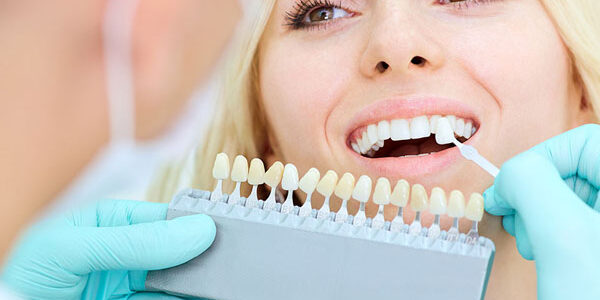
To customize treatment plans, dentists review an individual’s tooth size, tooth width, gum line, smile line, and bite before selecting a design. The goal is to create results that fit the individual’s mouth and goals. Dentists compare the potential veneer shade with nearby natural teeth under proper lighting. They may use shade guides, photographs, digital tools, or trial materials to evaluate color. The dentist may take photographs or digital scans, and these records help guide the design.
Shape also matters, as a veneer that is too long, too wide, or too flat may look out of place. Small adjustments in contour can affect how natural the veneer appears within the full smile. This is why dentists assess the edges of neighboring teeth, the curve of the smile, and the way the upper and lower teeth meet beforehand. For a single veneer, matching the adjacent teeth is especially necessary.
Learn More About Veneers
Veneers benefit specific cosmetic concerns involving the front teeth. To learn more about cosmetic dental treatments, schedule a consultation with a dentist. A consultation allows the dentist to review your teeth, explain material choices, discuss maintenance, and outline practical next steps.