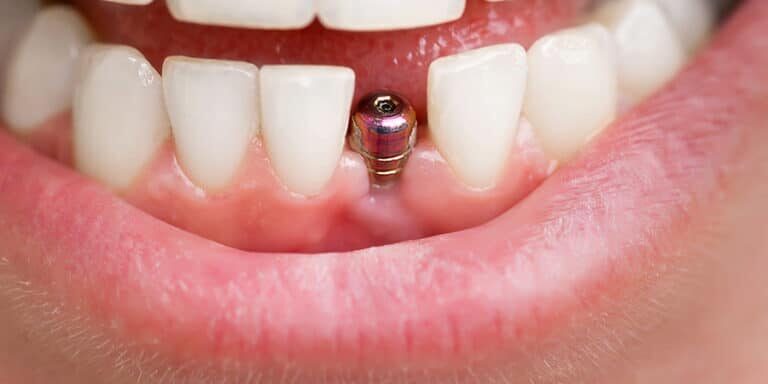
Dental implants are permanent restorations, and they replace missing teeth with a titanium post, an abutment, and a custom crown. The post sits in your jawbone and acts like a natural tooth root. Since the crown matches your surrounding teeth, the result looks natural. Here is more information on how implants support your oral health over many years:
Restored Bite
Missing teeth affect how well you chew certain foods. Getting dental implants restores much of that chewing force, and it lets you eat a wider range of meals. Firm chewing also aids digestion.
The fused post distributes pressure the way a natural root would. You are able to bite into firm foods, so mealtimes stay comfortable. Since the crown stays anchored, it will not slip while you speak or eat. A balanced bite spreads force evenly across your teeth.
Halted Bone Loss
Your jawbone needs stimulation from tooth roots to stay dense. When a tooth goes missing, that stimulation stops, and the bone slowly shrinks in that area. An implant post fills this gap.
The titanium post fuses with the surrounding bone through a process called osseointegration. This fusion mimics a natural root, and it keeps the bone active. A stable jaw supports your facial structure over time.
Other tooth replacement options rest on the gum surface instead. Dentures sit on top, so they do little to slow bone loss underneath. Since implants reach into the jaw, they address the source of the problem directly.
Prevented Shifting
Neighboring teeth can drift toward an empty socket. This movement changes your alignment, and it may complicate future dental work. A placed implant holds that space firmly, and the crown occupies the exact gap left by the missing tooth. Since the space stays filled, adjacent teeth keep their positions, and your bite pattern holds steady. Stable spacing makes daily cleaning more straightforward.
Lowered Risk of Decay
Implant crowns use ceramic or porcelain materials that resist cavities. The crown itself will not decay, and this feature sets implants apart from natural teeth. Good hygiene still protects the gum tissue around each post.
Compared to a traditional bridge, an implant treats one tooth without altering others. A bridge relies on grinding down two healthy neighbors for support. Since implants stand alone, they protect more of your natural tooth structure. Here are a few hygiene steps that help implants last:
- Brush twice daily with a soft-bristled brush
- Floss around the implant crown each day
- Attend routine cleanings every six months
During the visit, the team takes images of your jaw and discusses your options. You get straightforward answers about insurance coverage. Since every mouth differs, your plan reflects your specific needs.
Schedule a Dental Implants Consultation
Dental implants address bone loss, shifting, decay risk, and chewing function in one treatment. A consultation reviews your jaw health, and it maps out a clear timeline for you. Your dentist explains each step in plain language. Book your consultation today to learn whether implants fit your situation. Call our office or use our online scheduling tool at any hour. Take the first step toward a stable, functional smile.