Dental pain or trauma requires immediate clinical evaluation to prevent further complications. A clear understanding of acute dental conditions directs patients to the appropriate clinical care facility, and it facilitates better outcomes. Seeking timely treatment minimizes tissue damage, stops severe bleeding, and mitigates the spread of oral infections, thereby improving oral health. Here is more information on dental emergencies and when to visit an emergency dentist:
What Is an Emergency Dentist?
An emergency dentist is a specialized dental professional who treats urgent oral health conditions. These practitioners operate clinics equipped to handle trauma, severe pain, and acute infections immediately. Standard dental practices often require scheduling days or weeks in advance, while emergency clinics accept walk-in patients with immediate needs. This immediate access helps patients find relief, and it minimizes long-term structural damage. Dentists at these facilities use specialized diagnostic tools so they can assess trauma rapidly.
What Services Do They Provide?
Emergency dental professionals deliver a specific set of clinical interventions designed to address acute oral distress. They administer local anesthetics to manage severe pain, and they perform emergency tooth extractions when restorative procedures are not viable. Dentists also reimplant avulsed teeth if the patient arrives at the clinic within the recommended timeframe.
These practitioners drain oral abscesses to halt the spread of localized bacteria. They repair broken orthodontic appliances that cause soft-tissue lacerations, or they remove the appliance entirely. By executing these targeted procedures, the practitioner stabilizes the oral cavity and prepares the patient for follow-up care.
What Are Dental Emergencies?
A dental emergency is any sudden oral health issue that requires immediate clinical intervention, and these situations arise from physical trauma, advanced decay, or unexpected complications from previous dental work. Ignoring these symptoms may lead to more extensive damage that requires more invasive procedures later. Timely treatment influences the success rate of tooth preservation. An untreated dental emergency can quickly escalate into a life-threatening systemic infection if bacteria enter the bloodstream.
What Are the Different Types?
Dental emergencies can be categorized based on their specific clinical presentation and the immediate risk they pose.
- Traumatic Injuries: These emergencies result from physical trauma and include conditions such as avulsed (knocked-out) teeth, cracked teeth, or jaw fractures.
- Acute Infections: These are characterized by severe, throbbing pain and facial swelling, often indicating deep decay or nerve damage.
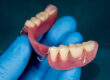
- Prosthodontic and Orthodontic Issues: These emergencies occur when dental appliances, such as bridges and dentures, fail.
Each type of dental emergency requires a specific, timely clinical approach to mitigate further damage and address patient discomfort.
When Should You Seek Help?
Patients should seek immediate help when they experience persistent bleeding from the mouth. A knocked-out permanent tooth requires prompt action to maximize the chances of successful reimplantation. Swelling in the face, jaw, or neck signals a spreading infection, and this condition warrants urgent medical attention. Severe pain that prevents sleeping or eating also indicates a severe issue requiring professional care. Any noticeable discharge accompanying a toothache points toward an active bacterial infection, which requires antibiotics.
Visit an Emergency Dentist Now
Dental emergencies involve severe pain, acute infections, and traumatic injuries that need prompt professional intervention. An emergency dentist provides immediate diagnostic evaluations, and they can perform targeted treatments to stabilize severe oral conditions. Seeking rapid assistance helps prevent complications and stops the spread of infection. If you experience any of these symptoms, contact a local emergency dental clinic immediately.