
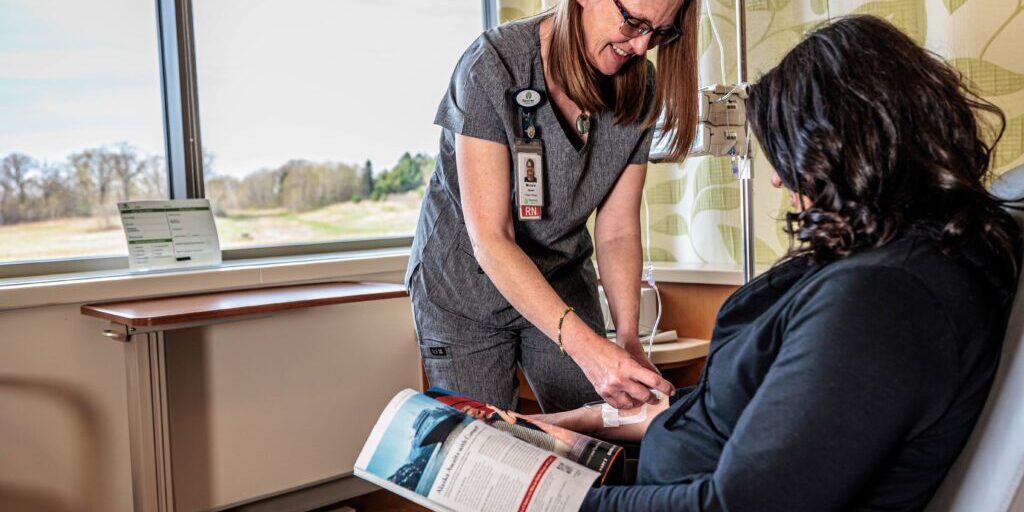
Managing chronic conditions requires a consistent, structured approach to medical care; it can involve multiple types of healthcare providers and facilities. While primary care physicians and specialists play central roles in long-term disease management, urgent care clinics have become an increasingly relevant part of the healthcare landscape. Their services are relevant for patients with ongoing medical needs.
What Is Urgent Care?
Urgent care refers to a category of walk-in medical services designed to treat patients who require prompt attention, but these conditions do not rise to the level of a medical emergency. These facilities operate outside of the traditional appointment-based model, allowing patients to receive same-day care without scheduling in advance. These clinics are typically staffed by licensed physicians, nurse practitioners, and physician assistants.
Many locations offer on-site diagnostic tools such as X-ray imaging and laboratory testing; these enable providers to evaluate and treat a range of conditions during a single visit. Unlike hospital emergency departments, urgent care centers are designed for lower-acuity situations. They may offer shorter wait times and lower out-of-pocket costs, making them a practical option for patients who need timely medical attention for non-life-threatening issues.
What Does It Treat?
Urgent care facilities address a wide spectrum of medical concerns, and acute illnesses are frequently treated. These can include respiratory infections, urinary tract infections, minor lacerations, and musculoskeletal injuries such as sprains, strains, and fractures. This care can serve a supplementary role. Rather than waiting for a scheduled appointment or visiting an emergency room, a clinic may provide timely evaluation and, where appropriate, short-term treatment.
Orthopedic care clinics specialize in acute injuries affecting the bones, joints, muscles, tendons, and ligaments. These facilities are staffed by professional providers and have received focused training in musculoskeletal medicine. This makes them well-suited for patients dealing with certain conditions, such as arthritis or recurring joint problems.
It is worth noting that this care is not for ongoing disease management, like primary care with your family doctor. Patients with complex or long-standing conditions should maintain regular contact with their primary care physician or specialist. Urgent care is most appropriately used for situations where timely evaluation is needed, and it acts as an option when a scheduled appointment is not immediately available.
What Are the Benefits?
Several practical advantages make this care a useful resource within a broader healthcare plan. The walk-in model removes the barrier of advance scheduling, which can be particularly relevant when a condition changes unexpectedly. Reduced wait times represent another meaningful distinction from emergency department care. Emergency rooms prioritize patients based on the severity of their condition, which can result in lengthy waits. Care centers are designed to evaluate and treat lower-acuity cases more efficiently.
Cost may also factor into the decision-making process. Services rendered at urgent care facilities are generally classified as outpatient or in-office visits, and they can carry lower costs than emergency room care. For patients managing chronic conditions who may face frequent medical expenses, this distinction can be financially significant.
Seek Professional Medical Care
Urgent care plays a defined and practical role within the broader healthcare system. For patients with chronic conditions, these facilities offer an accessible option when symptoms require prompt attention. This care is one component of a well-rounded care strategy, and it is not a complete substitute for the structured management that chronic conditions typically require. If you are experiencing an acute injury or sudden change in your condition, consulting with a licensed healthcare provider promptly is the recommended course of action.





