
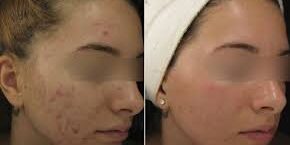
Acne scars can linger long after breakouts clear, which requires treatment from a professional. Microneedling is a treatment that uses fine needles to puncture the skin, and it works by prompting your body’s natural repair process. A trained provider performs the procedure with a handheld device. This is how microneedling helps to reduce the appearance of acne scars:
Creating Micro-injuries
The device creates tiny punctures across the skin’s surface. These micro-injuries are controlled, and they reach a precise depth based on your scar type. When a provider adjusts the needle length, microneedling treatment targets specific layers of skin. The process is complex, but it remains measured and deliberate.
Triggering a Healing Response
Your skin registers the micro-injuries as small wounds. While the punctures are minor, they signal your body to begin repair. The healing response starts quickly, and new cells move toward the treated area. This activity forms the basis for the next stage.
During repair, your body sends growth factors to the punctured zones. These factors guide tissue rebuilding, and they support fresh skin development over time. The skin works steadily, though results vary from person to person.
The newly formed tissue aims to be smoother and more even in tone. This process encourages natural healing, and it helps to address imperfections such as fine lines or scars. While the body’s repair mechanisms are effective, they depend on individual factors like age, skincare routine, and overall health.
Boosting Collagen and Elastin
Collagen and elastin give skin its structure and flexibility. As your skin heals, it produces more of these proteins, and the new supply may fill depressed scars. When collagen builds beneath a scar, the scar typically looks less pronounced. This rebuilding takes weeks.
Several factors influence how your skin responds to microneedling. A provider reviews these details before treatment begins:
- Your scar type and depth
- Your age and skin condition
- Your number of sessions completed
- Your aftercare routine
Each factor shapes your individual outcome. Providers track progress across visits, and they adjust the plan when needed. As skin types differ widely, your timeline may not match someone else’s.
Elastin also plays a role in this process; the protein helps skin stretch and return to shape, and it works alongside collagen. When both proteins increase, scarred areas may regain firmness. The effect develops gradually over several months.
Improving Texture
Microneedling targets uneven texture from old acne scars. The treatment smooths rough patches, and it blends scarred skin with surrounding areas. When new tissue forms across multiple sessions, the surface may feel more even. Texture changes appear slowly, not overnight. This treatment aims to:
- Soften rough, uneven scar tissue by promoting new tissue growth.
- Reduce irregularities in the skin’s surface, blending scars with surrounding areas.
- Encourage a more even and balanced skin tone over time.
Schedule Microneedling Sessions Today
Microneedling follows a clear sequence from puncture to repair. The treatment supports collagen growth, and it addresses both the depth and texture of acne scars. If you want to explore this option, a consultation is the next step. Book a consultation with a licensed provider to discuss your acne scars. A professional will assess your skin and outline a treatment plan suited to your needs.




