
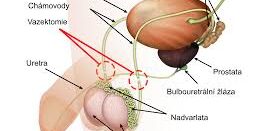
A vasectomy is a minor surgical procedure that permanently prevents pregnancy, and it involves cutting or blocking the vas deferens. It is performed under local anesthesia, enabling patients to return to normal activities within a few days. Here is more information on this procedure, how it works, and what to expect during recovery:
What Is a Vasectomy?
A vasectomy permanently prevents sperm from reaching semen during ejaculation. The procedure targets the vas deferens, the tubes that carry sperm from the testicles to the urethra. Once these tubes are cut, tied, or blocked, sperm can no longer be released during ejaculation, and this prevents pregnancy.
How Does It Work?
The procedure works by interrupting the pathway sperm travel before mixing with seminal fluid. After a vasectomy, the body continues to produce sperm, but those sperm are absorbed naturally by the body rather than expelled. Testosterone levels, sex drive, and the ability to ejaculate remain unchanged. Unlike female sterilization, vasectomies are performed under local anesthesia, and they carry fewer surgical risks. The procedure does not protect against sexually transmitted infections.
Who Does It Help?
A vasectomy is a suitable contraceptive option for:
- Men who have completed their families and are looking for a permanent form of birth control.
- Men who want to avoid temporary contraceptive methods, such as condoms, or for their partners to cease hormonal treatments.
- Individuals who have a medical or genetic reason to avoid passing on hereditary conditions.
Because a vasectomy is intended to be permanent, a urologist can provide a comprehensive evaluation to determine if the procedure aligns with a patient’s long-term personal and medical needs.
What Does the Procedure Involve?
A vasectomy typically takes about 30 minutes, and it is performed under local anesthesia. There are two main techniques: the traditional method, which uses one or two small incisions, and the no-scalpel method, which uses a small puncture instead. Both approaches achieve the same result by accessing and blocking the vas deferens.
During the procedure, the surgeon locates each vas deferens, removes a small section, and seals the ends by cutting, tying, cauterizing, or applying surgical clips. Patients remain awake throughout, and they may experience only mild pressure or discomfort. The no-scalpel method may offer fewer complications, enabling a faster recovery.
What Is Recovery Like?
Patients may experience mild swelling, bruising, and discomfort in the scrotal area for the first few days. Applying an ice pack and wearing supportive underwear can reduce these symptoms, and over-the-counter pain relievers help manage pain. Recovery typically takes a few days, necessitating that patients avoid strenuous physical activity and heavy lifting.
A follow-up semen analysis is required to confirm the absence of sperm before discontinuing other contraceptive methods. Until that confirmation is received, alternative contraception should be used. Attempting to resume normal activity too soon can increase the risk of complications, and consulting a urologist helps patients achieve a smooth recovery.
Consult a Urologist Today
A vasectomy is a safe, minimally invasive procedure, and it has a high success rate. By understanding what the procedure involves and what to expect afterward, patients can make informed decisions about their care. Schedule a consultation with a urologist to discuss your medical history, ask questions, and receive guidance tailored to your specific situation.




