
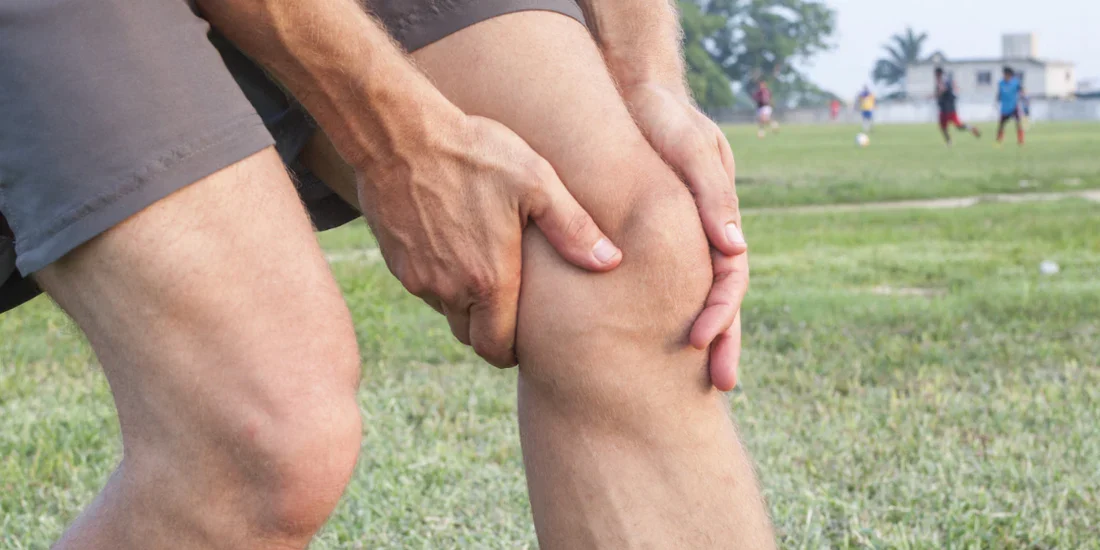
Arthritis is a condition that involves inflammation of one or more joints. While the term covers a wide variety of distinct types, osteoarthritis and rheumatoid arthritis are the most common forms. Many people develop it as they age, and the symptoms can range from mild discomfort to significant limitations in movement. Understanding how arthritis affects the joints offers a clearer picture of its progression.
Cartilage Deterioration
Cartilage is the smooth tissue that covers the ends of bones where they meet to form a joint. When arthritis develops, this protective layer begins to break down, and the bones lose their cushioned barrier. This wear changes how a joint functions, and an individual with this condition begins to feel discomfort. The bones may rub together once the cartilage thins.
In osteoarthritis, cartilage loss happens gradually over many years. The process accelerates in joints that carry heavy loads, such as the knees and hips, and repeated stress adds to the strain. Small bone spurs sometimes form along the edges of affected joints, and this often causes significantly more discomfort. These growths can alter the shape and usability of the joint over time.
Rheumatoid arthritis follows a different path, since it stems from an immune system that attacks the joint lining. This attack damages cartilage and bone, and inflammation drives much of the destruction. The damage can appear in matching joints on both sides of the body. When joints lose their cushioning layer, individuals may find it more difficult to move.
Stiffness and Inflammation
Inflammation is a central feature of arthritis, and it produces swelling, warmth, and tenderness around the affected joint. Stiffness frequently appears in the morning or after periods of rest. The joint may feel tight and difficult to move at first, producing pain and discomfort. These sensations often ease with gentle activity.
Persistent inflammation can thicken the tissue that lines the joint, and this thickening adds to the discomfort. Fluid often accumulates inside the joint capsule, which contributes to visible swelling. The combination of these factors limits how far a joint can bend or straighten. Stiffness tends to vary throughout the day.
Mobility Reduction
As cartilage thins and inflammation continues, the range of motion in affected joints narrows. Everyday tasks such as walking, gripping objects, or climbing stairs can become harder, and the limitations differ from person to person. Muscle weakness sometimes develops when a painful joint is used less often.
Pain plays a large role in mobility loss, since discomfort discourages people from moving the affected area. The surrounding muscles can weaken without regular use, and joints may feel less stable as a result. Balance is occasionally affected when lower-body joints are involved. This pattern can influence daily routines. With proper medication and treatment, individuals often experience less discomfort and greater mobility.
Start Arthritis Treatment
Arthritis affects the joints in many ways that ultimately result in a loss of mobility, especially when affecting the lower joints. Early symptom management often results in a clearer understanding of the condition, and doctors can prescribe medication and lifestyle changes that reduce discomfort. Contact an arthritis specialist to discuss options for arthritis treatment.





