
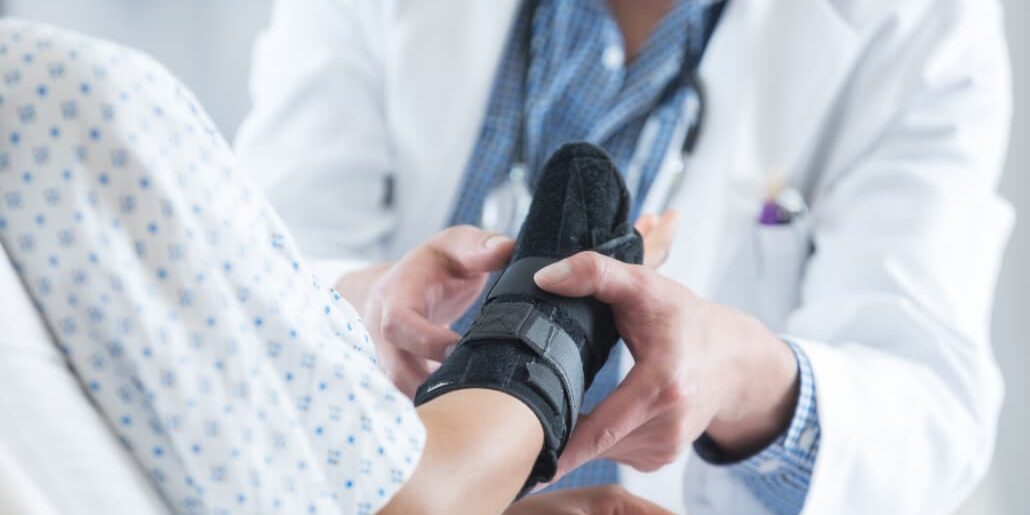
Musculoskeletal injuries can occur at any time, and they often arise without warning. Orthopedics urgent care provides same-day access to specialists trained in diagnosing and treating bones, joints, muscles, and soft tissues. Early and accurate diagnosis is a key factor in determining recovery time, so active individuals benefit from prompt care. Here is more information on expediting recovery with specialized urgent care:
What Is Orthopedics Urgent Care?
Orthopedics urgent care is a specialized medical service focused on diagnosing and treating musculoskeletal injuries and conditions. Unlike general urgent care, which handles a broad range of medical issues, orthopedic urgent care centers are staffed by orthopedic specialists and equipped with advanced imaging technology. Patients receive targeted care without needing to schedule weeks in advance or visit an emergency room for non-life-threatening injuries. These clinics offer same-day appointments, and the scope of care typically covers acute injuries, chronic pain flare-ups, and post-surgical concerns that require prompt attention.
Who Does It Treat?
Orthopedic urgent care is designed for patients experiencing musculoskeletal issues that require timely but non-emergency attention. Athletes managing sports injuries and active adults dealing with overuse conditions seek this type of care, as can individuals recovering from recent surgeries who experience unexpected complications. Children with fractures benefit from specialized orthopedic assessment, and older adults experiencing acute joint pain also receive targeted care.
Common conditions treated include:
- Fractures and sprains
- Tendon and ligament injuries
- Joint dislocations
- Muscle tears and strains
- Back and neck pain from injury
What Does an Appointment Involve?
A standard orthopedic urgent care appointment begins with a clinical intake process. During this phase, staff collects information about the patient’s symptoms, the mechanism of injury, and relevant medical history, which provides the foundation for accurate assessment. Following the intake, a physician conducts a physical examination of the affected area, and on-site imaging may be ordered if the findings indicate a need for further diagnostic clarity. Imaging allows the provider to confirm a diagnosis before proceeding with treatment recommendations.
Once a diagnosis is established, the provider presents a tailored treatment plan. This plan may include immobilization, physical therapy, medication, injections, or surgical consultation. Treatment depends on the nature and severity of the injury. Before leaving, patients receive discharge instructions, and a follow-up plan may be provided to support their recovery goals.
How Is Recovery Expedited?
Speed of access helps accelerate recovery. When injuries are assessed and treated within hours rather than days, the window for early intervention remains open. Timely treatment can prevent conditions from worsening; proper immobilization of a fracture or targeted anti-inflammatory therapy helps reduce overall recovery time.
General practitioners may manage orthopedic injuries conservatively while awaiting specialist referrals, but orthopedic urgent care eliminates that delay. The specialist-level care available at these clinics contributes to more precise treatment plans. Because patients receive expert-level guidance from the first appointment, trial-and-error in treatment may be reduced, and recovery efforts are directed more efficiently.
Rehabilitation planning can begin earlier when patients access orthopedic urgent care promptly. A provider may initiate a physical therapy referral, prescribe targeted exercises, or outline a phased return-to-activity schedule at the initial visit, and starting this process sooner means less time in the passive phases of recovery. Patients progress toward full function more quickly, which helps them return to their daily activities.
Seek Specialized Care Now
Orthopedics urgent care offers active individuals accurate diagnosis, specialist treatment, and structured recovery planning. By addressing musculoskeletal injuries quickly, these clinics can reduce the risk of complications, and they help patients return to full activity sooner. If you are managing a sports injury, seek specialized care as soon as possible.





