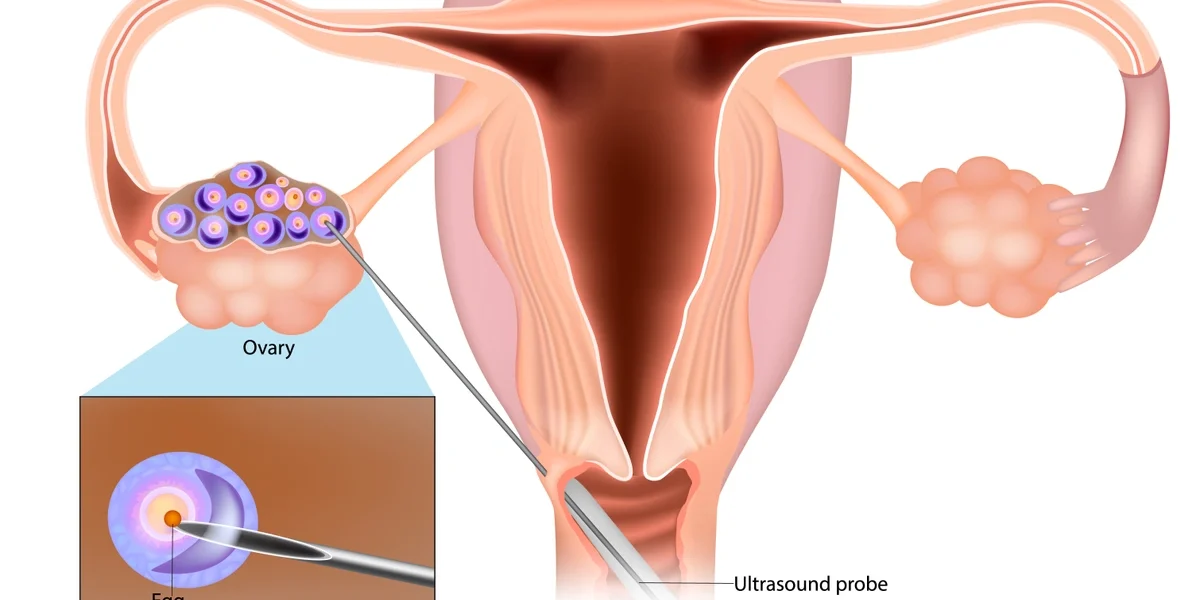
Egg freezing is a step in the in vitro fertilization (IVF) process that preserves unfertilized eggs, which can later be used for future fertility treatment. Eggs are retrieved after ovarian stimulation, and they are flash-frozen through a process called vitrification. They are then stored until needed for fertilization and embryo transfer. Here is more information on egg freezing:
What Is In Vitro Fertilization?
In vitro fertilization is a medical procedure in which eggs are retrieved from the ovaries and fertilized in a lab. The resulting embryo is then transferred into the uterus, and the goal is to achieve a successful pregnancy. IVF is used to treat a range of fertility conditions, including low sperm count, ovulation disorders, and unexplained infertility. The IVF process involves several stages: ovarian stimulation, egg retrieval, fertilization, embryo development, and embryo transfer. Because each stage requires precise medical oversight, a dedicated team continuously monitors the patient’s progress.
What Is Egg Freezing?
Egg freezing, medically referred to as oocyte cryopreservation, is the process of extracting, freezing, and storing unfertilized eggs. The eggs are preserved at extremely low temperatures, and they remain stored until the patient is ready to use them. Unlike embryo freezing, egg freezing does not require sperm at the time of storage, which makes it a distinct procedure with different clinical applications.
This distinction makes egg freezing a flexible option for patients who are not yet ready to fertilize their eggs, and it is relevant for those facing time-sensitive medical decisions. It allows individuals to preserve their fertility before undergoing treatments that may affect reproductive function, such as chemotherapy. Once the patient is ready, the frozen eggs can be thawed and fertilized, after which they are transferred as part of a future IVF cycle.
Why Is It Conducted?
Eggs are frozen for a variety of medical and personal reasons, and understanding these reasons helps clarify when cryopreservation is appropriate. IVF cycles frequently involve freezing. If more eggs are retrieved than are needed, the remaining eggs can be stored for future attempts. This reduces the need for repeated ovarian stimulation cycles. Egg freezing is also indicated when a fresh embryo transfer is not possible due to medical factors.
How Does Egg Freezing Work?
The egg freezing process begins with ovarian stimulation. A patient self-administers hormone injections over a set period, which encourages the ovaries to produce multiple mature eggs. The medical team monitors follicle growth through ultrasound and blood tests, and this ongoing assessment makes sure the stimulation protocol is progressing as expected.
Once the follicles reach the appropriate size, a trigger injection is administered to prompt final egg maturation. Egg retrieval takes place afterward, and a thin needle aspirates eggs from the follicles through the vaginal wall. This is a minimally invasive process. After retrieval, an embryologist evaluates the eggs.
- Mature eggs are selected for freezing
- Immature eggs are typically discarded
- The embryologist documents the number of viable eggs retrieved
The selected eggs undergo vitrification, a rapid freezing technique that converts the eggs into a glass-like state. The eggs can remain viable for years, and when the patient is ready to proceed, the eggs are thawed, fertilized with sperm, and cultured into embryos before being transferred to the uterus.
Learn More About IVF
Egg freezing is a component of modern IVF treatment, and it offers patients a greater degree of flexibility and reproductive choice. The process is designed to preserve egg quality, which maximizes future treatment options. Speak with your fertility specialist to learn how egg freezing may apply to your specific situation.