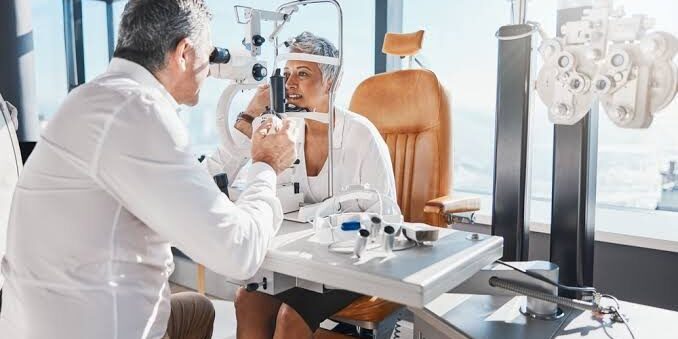
An eye exam is a series of tests performed by an optometrist, and these exams help the doctor evaluate your vision and the health of your eyes. During this visit, the doctor examines both the internal and external structures of your eyes using specialized equipment. Here is more information about exams and why prioritizing them helps you get the care you need:
Understanding Preventive Eye Care
Preventive eye care focuses on identifying problems in their early stages rather than waiting for symptoms to appear, as acute eye care does. Many eye conditions develop slowly; by the time you notice changes, the condition may already be advanced. Regular exams give your doctor a baseline to compare against future visits.
Waiting to see symptoms before scheduling an eye exam can limit your treatment options, so scheduling routine visits helps your doctor track subtle changes over time. Preventive care also supports the detection of certain systemic conditions that first show up in the eyes. This approach keeps you informed about your eye health at every stage of life.
Exploring an Eye Exam
A comprehensive exam includes several tests that measure how well you see and how your eyes function together. The doctor checks your visual acuity, evaluates your ability to focus, and assesses how your eyes work as a pair. Your eye pressure is also measured because elevated pressure can indicate certain conditions. During the exam, your doctor will assess several areas:
- Pupils: Your pupils will be dilated to allow a clear view of the retina, optic nerve, and blood vessels at the back of the eye.
- Eye health indicators: These structures can reveal information about your overall eye health, as well as signs linked to broader health concerns.
- Medical history: Your doctor will review your medical history and any medications you are currently taking.
Identifying Serious Conditions
Some eye conditions progress without noticeable warning signs. Glaucoma can gradually affect peripheral vision; many people do not notice the change until the condition worsens significantly. This makes routine screening key for early detection. Diabetic retinopathy and high blood pressure can leave marks on the blood vessels of the retina long before a person feels any effect. A doctor may spot these signs during an exam and refer you to your primary care provider for further evaluation.
Discussing Exam Frequency
Adults with no known eye problems generally benefit from exams every one to two years; the recommended frequency often increases with age. Some individuals may require more frequent exams than others. You may need to schedule more regular visits if you:
- Wear glasses or contact lenses and need to keep your prescription current
- Have a chronic health condition such as diabetes or high blood pressure
- Have a family history of eye disease, such as glaucoma or macular degeneration
- Are over the age of 60, as the risk of age-related eye conditions may increase
- Have previously been diagnosed with an eye condition that requires ongoing monitoring
Schedule Your Eye Exam Today
Preventive eye care helps detect conditions that present with few or no symptoms, and it gives your doctor a baseline to track changes over time. Children should receive an eye exam at six months of age and then again at three years old to identify any conditions that may need intervention. To learn more about preventive eye care, schedule an appointment for an eye exam today.