
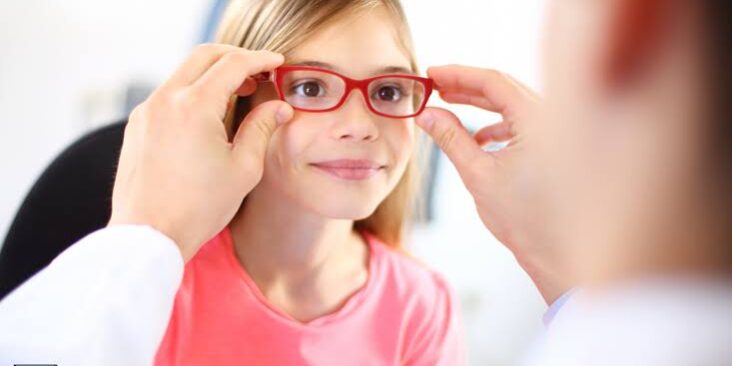
Children’s eye exams evaluate vision and overall eye health during different stages of development. An eye care provider assesses visual function and checks for conditions that may affect a child’s eyesight. Learning about pediatric eye exams helps families understand the benefits of routine vision care. Here is more information about the role of pediatric eye exams:
Comparing Exams
Routine eye exams evaluate a child’s vision and overall eye health during regularly scheduled visits. An eye care provider checks visual function, monitors eye development, and discusses whether additional care is appropriate. The recommended exam schedule varies based on a child’s age, vision, and health history.
Medical eye exams focus on evaluating specific eye symptoms, injuries, or diagnosed eye conditions. A provider may recommend additional testing when a child experiences concerns such as eye pain, changes in vision, or other eye-related symptoms. The evaluation and treatment recommendations depend on the child’s symptoms, medical history, and examination findings.
Understanding Exams
During a pediatric eye exam, an eye care provider evaluates a child’s vision, eye health, and visual development through a series of assessments. Additional testing, such as pupil dilation or other diagnostic procedures, may be recommended based on the child’s age, symptoms, medical history, and examination findings. The provider explains each step of the evaluation and discusses any recommendations after the exam.
Detecting Eye Conditions
Pediatric exams evaluate more than nearsightedness and farsightedness by assessing overall vision and eye health. Optometrists trained in medical exam assessments evaluate a wide range of conditions:
- Glaucoma
- Diabetic retinopathy
- Macular dystrophy
- Age-related macular degeneration
- Cataracts
- Corneal ulcers and tears
- Eye infections
- Dry eye
- Traumatic eye damage
In addition to evaluating current eye conditions, optometrists assess patients for early signs of potential eye health concerns. Exams may identify changes that require monitoring or additional evaluation. Early detection allows providers to discuss appropriate treatment and follow-up options based on each patient’s needs.
Scheduling Exams
The recommended schedule for pediatric eye exams varies based on a child’s age, vision, medical history, and individual risk factors. An eye care provider discusses when routine exams or additional evaluations may be appropriate. Exam frequency is personalized according to each child’s eye health and visual development.
Some children may benefit from more frequent exams based on their symptoms, family history, or existing vision conditions. An eye care provider evaluates concerns such as changes in vision, difficulty seeing, or other eye-related symptoms when developing a care plan. Follow-up recommendations are based on the child’s examination findings and individual healthcare needs.
Recognizing Vision Symptoms
Parents do not always need to wait for a routine exam when new vision concerns arise. Certain symptoms may prompt an eye care provider to recommend a medical exam. An evaluation helps determine the cause of the symptoms and appropriate next steps. These may include:
- Persistent eye pain or redness
- Sudden changes in vision
- Difficulty seeing the board at school
- Covering one eye to focus
- Sensitivity to light
These symptoms may indicate an eye condition that requires further evaluation by an eye care provider. A medical exam helps identify the cause of the symptoms and guides treatment recommendations. The provider discusses appropriate follow-up care based on the examination findings.
Schedule Your Child’s Eye Exam
Pediatric exams evaluate vision and eye health throughout a child’s development. An eye care provider assesses visual function and discusses any findings with the child’s family. Routine exams help monitor changes in vision and support ongoing eye care. Schedule an appointment today to discuss your child’s vision and eye health with an eye care provider.





