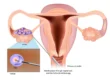
Menopause marks the end of your menstrual cycles, and it typically causes changes in your body. Your body’s estrogen levels fluctuate during this transition. As hormone levels shift, you may notice hot flashes, mood changes, and disrupted sleep. Here are some small daily habits that may make these symptoms more manageable:
Eat a Healthy Diet
Your food choices affect how your body withstands hormonal changes. A balanced plate supports steady energy, and it also helps you maintain a comfortable weight. When you eat calcium-rich foods, you help protect your bones during this stage.
Focus on whole ingredients that give your body steady fuel throughout the day. Aim to fill your meals with these staples:
- Leafy greens, broccoli, and other vegetables
- Adequate beans, lentils, and lean proteins
- Fortified dairy or plant milks for calcium
Whole grains keep you full, and they release energy slowly. Since processed sugar spikes your blood sugar, you may want to limit sweets. Try to drink water regularly throughout the day.
Exercise Regularly
Physical activity supports your muscles, bones, and mood during menopause. Movement is beneficial for your health, and it also helps regulate your sleep. When you stay active most days, your body adjusts to hormonal shifts more smoothly.
Weight-bearing exercise matters after estrogen drops. Strong muscles protect your joints, and they support your posture too. Since bone density declines with age, resistance training becomes a useful habit. Walking, swimming, and yoga each add variety to your routine.
Avoid Triggers
Certain foods and situations cause hot flashes and night sweats. When you track your daily habits, you spot patterns more easily. A simple journal works, and it takes only a few minutes each night.
Typical triggers vary from person to person. Keep an eye on these frequent culprits:
- Spicy foods and hot drinks
- Alcohol and caffeine
- Warm rooms or heavy clothing
Stress raises your body temperature too. Deep breathing calms your nervous system, and it lowers tension quickly. Since triggers differ, you may need to experiment before you find relief.
Prioritize Regular Sleep
Sleep typically becomes harder during menopause. Night sweats can interrupt rest, and racing thoughts keep you awake. When you follow a steady bedtime routine, your body learns to wind down.
Keep your bedroom cool and dark for better rest. A fan helps during warm nights, and light bedding reduces overheating. Since screens delay sleep, you may want to put your phone away an hour before bed. Try to wake and sleep at the same times each day.
Caffeine may linger in your system for hours. Skip coffee in the afternoon, and choose herbal tea instead. When your sleep improves, your daytime health typically steadies as well.
Find Treatments for Menopause Symptoms
Lifestyle changes address many symptoms, yet some people need extra support, so a healthcare provider reviews your history and suggests options that fit your needs. When symptoms disrupt your daily life, a professional evaluation gives you clarity. Treatments range from hormone therapy to non-hormonal medications. Schedule an appointment today to discuss the approach that works for you.